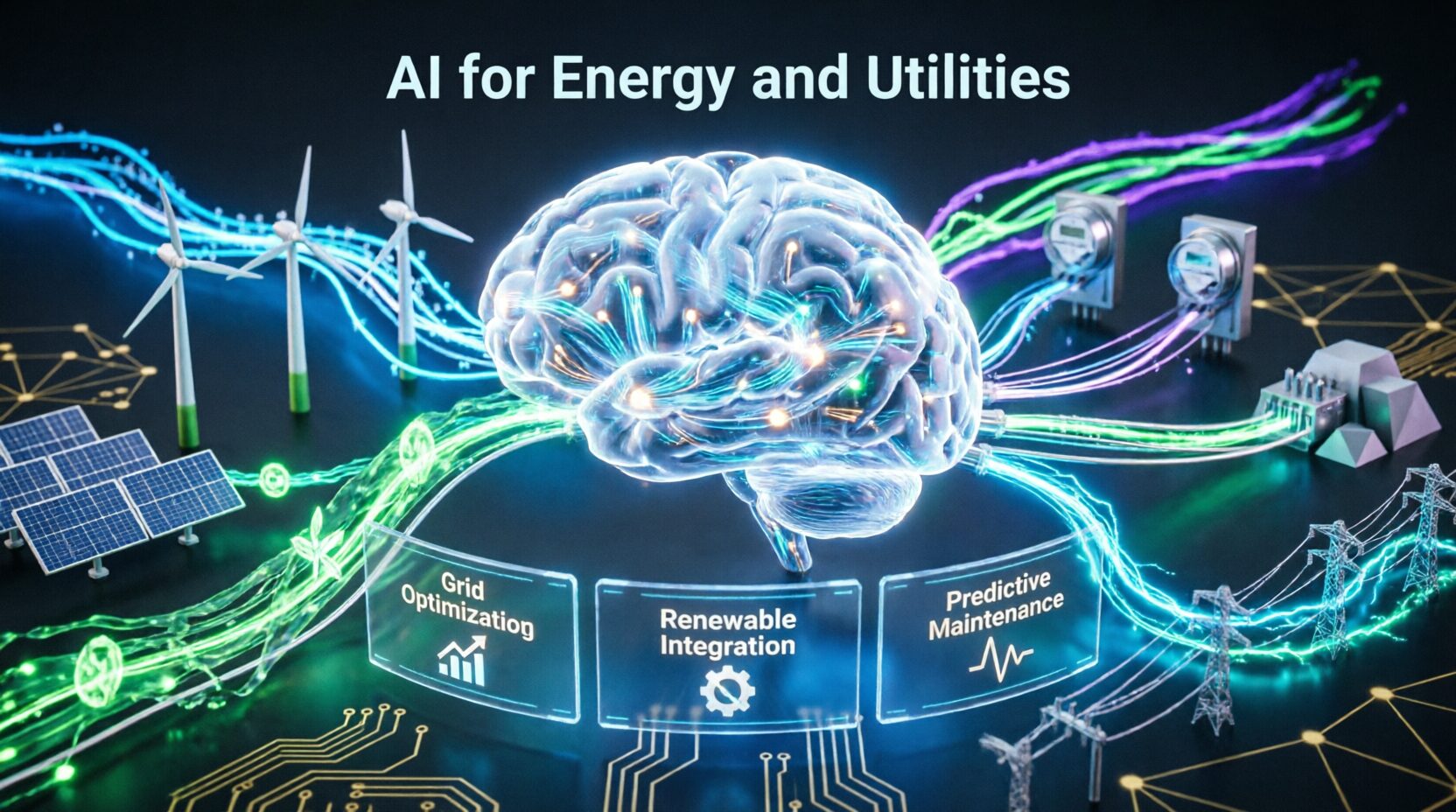
AI for energy and utilities has fundamentally transformed how modern power grids operate, shifting the paradigm from reactive, centralized fossil-fuel systems to proactive, decentralized, and highly intelligent networks. In an era where climate change mandates rapid decarbonization and consumer demand for reliable, affordable power is at an all-time high, relying on legacy infrastructure and manual load management is no longer a viable strategy. Today, forward-thinking utility companies and energy providers are leveraging advanced machine learning, IoT sensor networks, and predictive analytics to optimize grid performance, integrate renewable sources, and ensure operational safety. If you are a utility executive, grid operations manager, or energy sector investor looking to understand how to deploy AI for energy and utilities effectively, you are in the right place.
This comprehensive guide demystifies the landscape of intelligent energy management. We will explore the mechanics of AI smart grid optimization, detail the capabilities of AI energy demand forecasting, and provide a strategic roadmap for navigating AI energy implementation case studies. By the end of this article, you will have a clear, actionable blueprint for achieving seamless AI renewable energy integration, ensuring strict AI energy regulatory compliance, and driving measurable sustainability goals through intelligent automation.
1. The Evolution of Power: Why AI for Energy and Utilities is Essential
Historically, the energy sector operated on a simple, one-way model: generate power at large, centralized plants and distribute it to passive consumers. This model is rapidly collapsing under the weight of extreme weather events, aging infrastructure, and the explosive growth of distributed energy resources (DERs) like rooftop solar and electric vehicles (EVs).
The integration of AI for energy and utilities represents a quantum leap forward. By ingesting vast amounts of real-time data from smart meters, weather stations, and grid sensors, AI models can predict disruptions, balance supply and demand dynamically, and optimize asset lifespans. According to a comprehensive report by the International Energy Agency (IEA), digitalization and AI are critical enablers of the global energy transition, capable of reducing global energy sector emissions by up to 5% by 2030 through enhanced efficiency and optimized grid operations. This shift allows utility professionals to transition from reactive troubleshooters to proactive grid orchestrators.
2. Core Grid Operations: Smart Optimization and Demand Forecasting
The foundation of a modern, resilient power system lies in its ability to balance complex, fluctuating variables in real-time.
AI Smart Grid Optimization: Traditional grids struggle with bidirectional power flows from decentralized sources. AI smart grid optimization utilizes advanced algorithms to dynamically reroute power, manage voltage levels, and prevent overloads. By creating a digital twin of the physical grid, operators can simulate various stress scenarios and implement AI-driven solutions before physical failures occur.
AI Energy Demand Forecasting: Accurate load prediction is the holy grail of grid management. AI energy demand forecasting models analyze historical consumption patterns, real-time weather data, economic indicators, and even local event schedules to predict electricity demand with unprecedented precision. This allows utilities to dispatch the right amount of power, minimizing reliance on expensive and carbon-intensive peaker plants.
AI Grid Reliability Monitoring: Downtime is costly and dangerous. AI grid reliability monitoring systems continuously analyze sensor data from transformers, substations, and transmission lines. By detecting micro-anomalies that precede major failures, the AI can alert operators to potential faults, enabling preemptive repairs and significantly reducing the frequency and duration of power outages.
3. Driving Sustainability: Renewable Integration and Emissions Tracking
The transition to a low-carbon future requires managing the inherent intermittency of renewable energy sources.
AI Renewable Energy Integration: Solar and wind power are highly dependent on weather conditions, making them unpredictable. AI renewable energy integration solves this by forecasting renewable generation output hours or days in advance. The AI then seamlessly coordinates this variable supply with flexible demand response programs and grid-scale batteries, ensuring a stable power supply even when the sun isn’t shining or the wind isn’t blowing.
AI Carbon Emissions Tracking Meeting ESG (Environmental, Social, and Governance) targets requires precise measurement. AI carbon emissions tracking platforms aggregate data across the entire energy value chain, from generation to transmission. They provide real-time, auditable reports on carbon intensity, helping utilities identify emission hotspots and optimize operations to meet strict regulatory and voluntary climate goals.
AI Energy Efficiency Recommendations: Beyond the grid, AI empowers end-users. By analyzing smart meter data, AI can provide personalized AI energy efficiency recommendations to residential and commercial customers, suggesting specific behavioral changes or equipment upgrades that will lower their bills and reduce overall grid strain.
4. Asset and Operational Excellence: Predictive Maintenance and Safety
Utility assets are massive, expensive, and often located in harsh, remote environments. AI is revolutionizing how these assets are maintained and how workers are protected.
AI Predictive Maintenance: Energy. Reactive maintenance (fixing things after they break) is inefficient and risky. AI predictive maintenance energy solutions utilize IoT sensors to monitor the vibration, temperature, and acoustic signatures of critical equipment like wind turbines and gas compressors. Machine learning models analyze this data to predict exactly when a component is likely to fail, allowing utilities to schedule maintenance proactively, extend asset lifespans, and avoid catastrophic failures.
AI Energy Workforce Safety: The energy sector is inherently hazardous. AI energy workforce safety tools leverage computer vision and wearable technology to monitor field workers in real-time. These systems can detect if a worker is missing required PPE (Personal Protective Equipment), identify proximity to high-voltage hazards, or recognize signs of heat stress, instantly alerting supervisors to prevent accidents before they happen.
AI Utility Asset Management: Managing thousands of miles of infrastructure requires a holistic view. AI utility asset management platforms prioritize capital expenditure by analyzing the condition, criticality, and remaining useful life of every asset in the network, ensuring that investment dollars are allocated to the areas of highest risk and highest return.
5. Market Dynamics: Trading, Pricing, and Fraud Detection
In deregulated energy markets, speed and accuracy are paramount for profitability and security.
AI Energy Trading Optimization: Energy markets are highly volatile, influenced by weather, geopolitics, and grid congestion. AI energy trading optimization algorithms analyze these complex, multidimensional datasets in milliseconds to execute trades at the most advantageous prices. This maximizes profit margins for energy retailers and generators while hedging against market volatility.
AI Energy Pricing Optimization: For utilities offering dynamic or time-of-use pricing, AI energy pricing optimization models calculate the ideal price points to encourage consumers to shift their usage away from peak demand periods. This “demand response” flattens the load curve, deferring the need for costly grid upgrades.
AI Energy Fraud Detection: Non-technical losses, such as meter tampering and electricity theft, cost the global energy sector billions annually. AI energy fraud detection systems analyze consumption patterns at the individual meter level. By flagging anomalies that deviate from expected usage profiles (e.g., a sudden, unexplained drop in consumption for a specific household), the AI can pinpoint potential theft for targeted investigation.
6. Customer and Regulatory Focus: Engagement and Compliance
Modern utilities must also excel in customer service and regulatory adherence, areas where AI provides significant leverage.
AI Utility Customer Engagement: Today’s consumers expect the same seamless digital experiences from their utility as they do from their bank or streaming service. AI utility customer engagement platforms utilize intelligent chatbots and virtual assistants to handle routine inquiries, process outage reports, and guide customers through complex billing questions 24/7, freeing human agents to handle high-value, empathetic interactions.
AI Energy Regulatory Compliance: The energy sector is heavily regulated. AI energy regulatory compliance tools automate the monitoring and reporting processes required by government bodies. By continuously scanning operational data against regulatory frameworks, the AI ensures that emissions reports, safety logs, and market transactions are accurate and submitted on time, mitigating the risk of costly fines.
AI Distributed Energy Resource Management: As homes become “prosumers” (producing and consuming energy), managing these edge devices is critical. AI distributed energy resource management (DERMS) platforms aggregate thousands of rooftop solar panels, home batteries, and EVs, treating them as a single, virtual power plant (VPP) that can be dispatched to support the grid during peak demand.
7. Strategic Implementation: Case Studies and the Clean Energy Transition
Deploying AI at scale in the energy sector requires a strategic, phased approach to ensure reliability and measurable returns.
AI Energy Implementation Case Studies: The efficacy of these technologies is proven in the field. For example, a major European transmission system operator implemented AI predictive maintenance and grid reliability monitoring across its high-voltage network. Within 18 months, they reduced unplanned outages by 35% and decreased maintenance costs by 20%, proving the massive ROI of intelligent grid management.
Future of AI in Clean Energy Transition: Looking ahead, the future of AI in the clean energy transition points toward fully autonomous, self-healing microgrids. We are moving toward a world where AI agents will seamlessly negotiate peer-to-peer energy trading between neighbors, optimize vehicle-to-grid (V2G) charging for millions of EVs, and dynamically balance a 100% renewable grid without human intervention.
8. Comprehensive Query Coverage
What is the main benefit of AI for energy and utilities? The primary benefit of AI for energy and utilities is the ability to manage the increasing complexity of modern power grids. It enables real-time balancing of supply and demand, seamless integration of intermittent renewable energy, and proactive prevention of costly infrastructure failures.
How does AI improve renewable energy integration? AI renewable energy integration relies on highly accurate weather and generation forecasting. By predicting exactly how much solar or wind power will be produced, AI can coordinate energy storage systems and demand response programs to absorb excess power or dispatch stored energy when generation drops, ensuring grid stability.
Can AI really predict equipment failures in the energy sector? Yes. Through AI predictive maintenance energy solutions, machine learning models analyze continuous streams of sensor data (vibration, heat, sound) from critical assets. They identify subtle patterns that precede failures, allowing utilities to repair equipment before it breaks, avoiding costly downtime.
How does AI help with energy fraud detection? AI energy fraud detection algorithms analyze smart meter data to establish a baseline of normal consumption for each customer. If a meter suddenly reports usage that drastically deviates from this baseline without a logical explanation, the AI flags it as a potential case of meter tampering or electricity theft for investigation.
What is the future of AI in the clean energy transition? The future of AI in the clean energy transition involves the creation of autonomous, decentralized microgrids. AI will manage complex, bidirectional energy flows, optimize vehicle-to-grid (V2G) technology, and facilitate peer-to-peer energy trading, making a 100% renewable grid not just possible but highly efficient.
Conclusion
AI for energy and utilities is no longer a futuristic concept; it is the foundational infrastructure required to build a resilient, sustainable, and efficient power system in 2026. By moving beyond legacy, reactive operational models and embracing AI smart grid optimization, AI energy demand forecasting, and intelligent asset management, utility leaders can navigate the complexities of the modern energy landscape with confidence.
Whether you are focused on accelerating AI renewable energy integration, protecting your workforce with AI energy workforce safety tools, or ensuring strict AI energy regulatory compliance, the key to success lies in a strategic, data-driven implementation. By learning from proven AI energy implementation case studies and investing in robust AI utility asset management, you can transform your utility from a traditional power provider into a dynamic, sustainable, and customer-centric energy orchestrator.
As you embark on this digital transformation, remember that AI is the ultimate enabler of the green transition. Embrace these intelligent technologies, prioritize grid reliability, and position your organization to lead, innovate, and power the future sustainably.