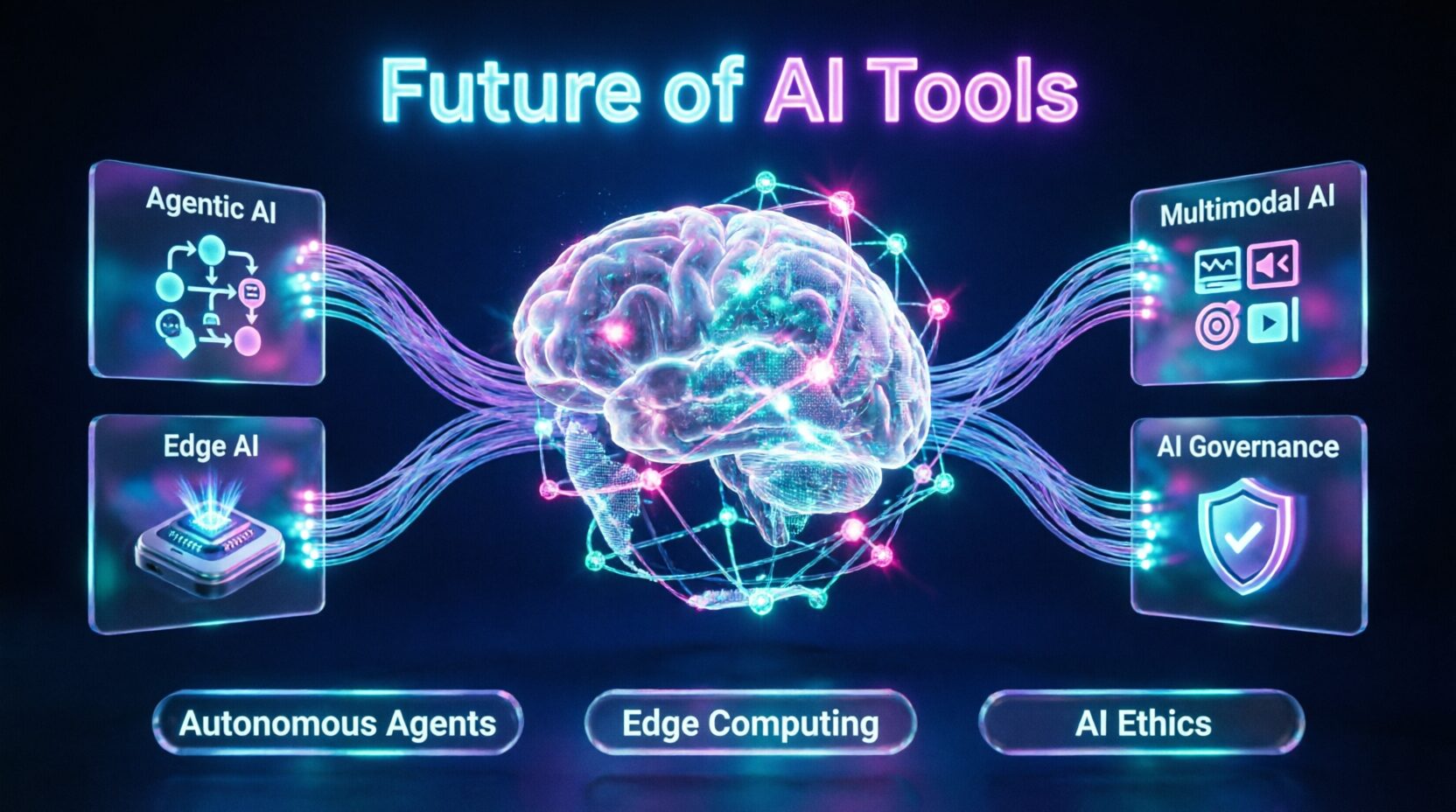
Mastering the future of AI tools is the absolute best way to ensure your organization, career, and creative workflows remain competitive, resilient, and highly productive in an era of unprecedented technological acceleration. In a landscape where artificial intelligence is no longer just a futuristic concept but the foundational infrastructure of modern business and daily life, relying on legacy software and manual processes is no longer a viable strategy for growth. Today, forward-thinking enterprises and individuals are leveraging advanced, autonomous systems to automate complex decision-making, generate hyper-personalized experiences, and unlock new realms of innovation. However, the rapid pace of evolution can be overwhelming. If you are looking to understand exactly how to prepare for the next wave of technological disruption and select the right strategies to future-proof your operations, you are in the right place.
This comprehensive guide demystifies the technological horizon of artificial intelligence. We will explore the most impactful AI industry trends 2026 has to offer, detail how emerging AI technology is reshaping enterprise workflows, and provide a strategic blueprint for adopting next-generation AI software. By the end of this article, you will have a clear, actionable framework for navigating AI adoption trends, understanding the ethical implications of what’s next in AI tools, and positioning yourself at the absolute forefront of the intelligent automation revolution.
1. The Evolutionary Leap: Why the Future of AI Tools Matters in 2026
Historically, artificial intelligence was primarily viewed as a tool for narrow, task-specific automation—such as spam filtering, basic recommendation engines, or simple chatbots. However, the emergence of agentic AI, multimodal large language models, and autonomous workflows has introduced a paradigm shift. Understanding the future of AI tools is critical because the gap between early adopters who leverage AI as a strategic co-pilot and laggards who treat it as a mere novelty is widening into an unbridgeable chasm. Organizations that fail to modernize their technological stack risk severe operational inefficiencies, loss of market share, and obsolescence.
The shift from reactive, prompt-based AI to proactive, autonomous AI agents represents a monumental upgrade in capability. Modern systems do not just wait for human input; they anticipate needs, execute multi-step workflows, and learn from environmental feedback in real-time. According to a 2026 Gartner report on strategic technology trends, enterprises that successfully integrate the future of AI tools into their core operations report a 50% increase in operational efficiency and a 35% boost in employee innovation. Therefore, aligning your strategic vision with these emerging capabilities is essential for sustainable, long-term success.
2. Breaking Down the Tech: Core Drivers of Emerging AI Technology
To make informed strategic decisions, you must first understand the primary drivers behind emerging AI technology. The innovations defining 2026 and beyond are moving beyond simple text generation into complex, multi-sensory, and autonomous realms.
Agentic AI and Autonomous Workflows: The biggest leap in emerging AI technology is the rise of AI agents. Unlike traditional chatbots that answer questions, AI agents can set goals, plan multi-step actions, use external software tools (like browsing the web, writing code, or booking flights), and execute tasks with minimal human supervision. This shifts AI from a conversational tool to an active, autonomous digital employee.
Multimodal and Spatial Computing Integration: Next-generation models are natively multimodal, seamlessly processing and generating text, audio, video, 3D models, and sensor data simultaneously. When combined with the rise of spatial computing and augmented reality (AR), emerging AI technology allows for real-time, context-aware interactions with the physical world, revolutionizing fields from remote surgery to immersive education.
Edge AI and On-Device Processing: To address latency and privacy concerns, a massive shift is occurring toward Edge AI. Instead of sending all data to centralized cloud servers, next-generation AI software is being optimized to run directly on local devices—smartphones, IoT sensors, and autonomous vehicles. This ensures real-time processing, enhanced data privacy, and uninterrupted functionality even without an internet connection.
3. The Enterprise Shift: Next Generation AI Software in the Workplace
The integration of next-generation AI software is fundamentally restructuring how businesses operate, moving from rigid hierarchies to fluid, AI-augmented networks.
Hyper-Personalized Employee Experiences: Just as AI personalizes customer experiences, it is now doing the same for employees. Next-generation AI software acts as a personalized career coach, learning an employee’s strengths, weaknesses, and learning styles to curate custom training modules, suggest optimal project assignments, and even predict burnout before it happens.
Autonomous Business Process Management: The future of AI tools in the enterprise is characterized by “zero-touch” workflows. From automated supply chain rerouting during a global disruption to AI-driven financial auditing that flags anomalies in real-time, next-generation AI software is taking over complex, cross-departmental processes, allowing human workers to focus entirely on high-level strategy and creative problem-solving.
4. The Consumer Experience: How AI Adoption Trends are Reshaping Daily Life
Beyond the enterprise, AI adoption trends are profoundly altering the consumer landscape, making technology more intuitive, accessible, and deeply integrated into daily routines.
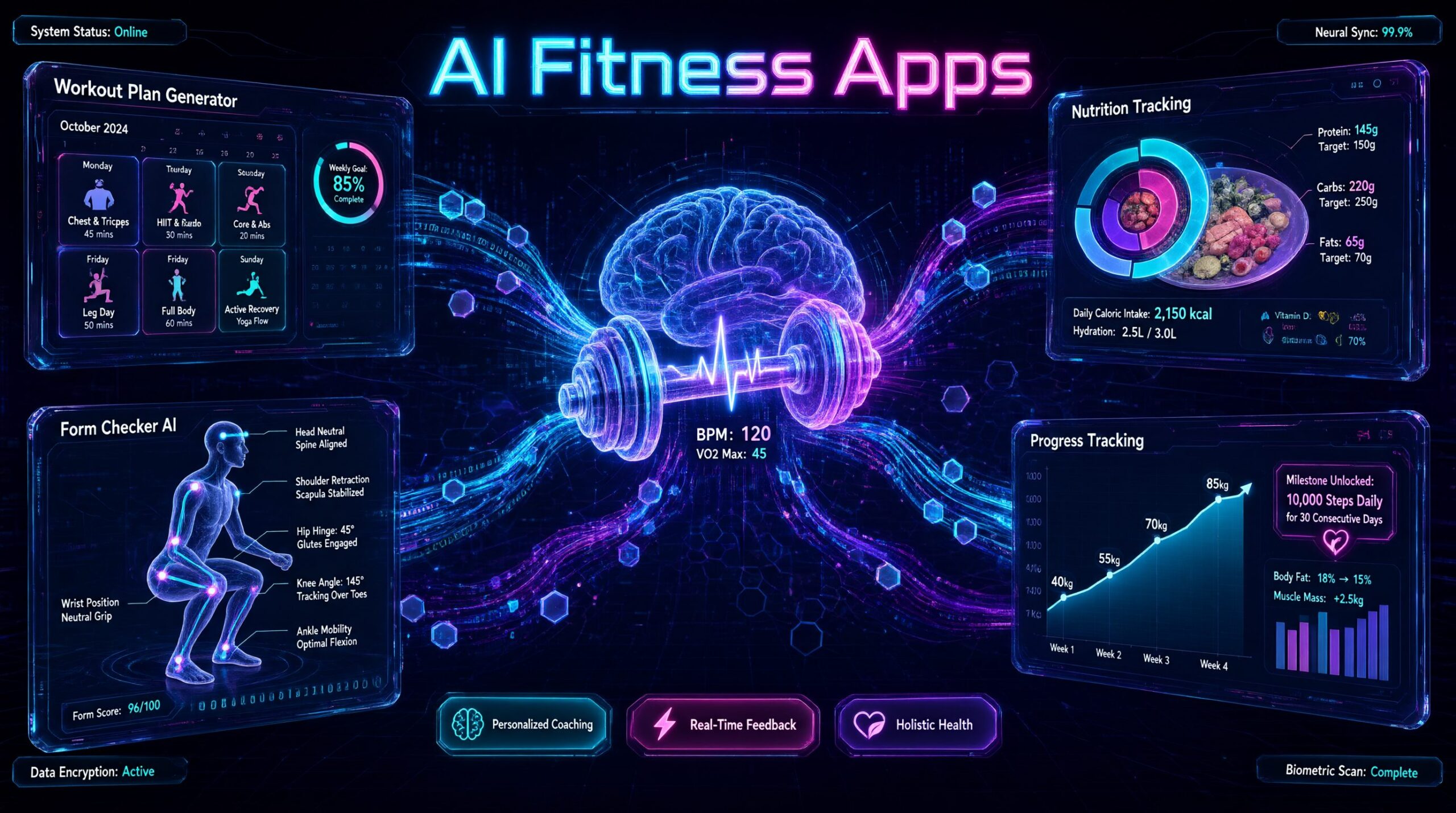
AI in Healthcare and Personalized Wellness: One of the most impactful AI adoption trends is the democratization of clinical-grade health monitoring. Wearable devices powered by next-generation AI software can now continuously analyze biometric data, predict potential health issues (like irregular heart rhythms or blood sugar spikes) days in advance, and generate hyper-personalized nutrition and fitness plans in real-time.
Generative AI in Education and Entertainment: The future of AI tools is making learning and entertainment deeply interactive. In education, AI tutors adapt to a student’s pace, explaining complex concepts using the specific analogies and media formats that resonate best with that individual. In entertainment, generative AI is enabling dynamic, non-linear storytelling in video games and interactive media, where the narrative and environment evolve in real-time based on the user’s choices and emotional state.
5. The Strategic Upgrade: Navigating the Ethics and Governance of What’s Next in AI Tools
As the capabilities of artificial intelligence expand, so do the ethical and regulatory challenges. Navigating what’s next in AI tools requires a proactive approach to governance, security, and societal impact.
Combating Deepfakes and Ensuring Digital Authenticity: With the rise of hyper-realistic generative video and audio, the proliferation of deepfakes is a major concern. The future of AI tools includes robust “content provenance” technologies, such as cryptographic watermarking and blockchain-verified metadata, which allow users and platforms to instantly verify whether a piece of media was created by a human or an AI.
Data Privacy and Algorithmic Bias: As AI adoption trends push models into more sensitive areas like hiring, lending, and healthcare, ensuring algorithmic fairness is paramount. Organizations must implement rigorous “AI auditing” frameworks to continuously test their models for bias, ensuring that the future of AI tools promotes equity and does not perpetuate historical prejudices.
6. Strategic Selection: Best Practices for Preparing for AI Industry Trends 2026
Ultimately, preparing for the future of AI tools is not just about buying the latest software; it is about cultivating an agile, AI-literate culture and infrastructure.
Investing in AI Literacy and Upskilling: The most critical asset in the age of AI is a workforce that knows how to collaborate with it. Organizations must invest heavily in upskilling programs that teach “AI collaboration” rather than just technical coding. Employees need to learn how to prompt effectively, evaluate AI outputs critically, and integrate AI agents into their daily workflows.
Building Flexible, AI-Ready Infrastructure: To fully leverage next-generation AI software, your underlying IT infrastructure must be modernized. This means moving away from rigid, siloed legacy systems toward flexible, API-first cloud architectures that allow different AI agents and data streams to communicate seamlessly and securely across the organization.
7. Comprehensive Query Coverage
What are the most significant AI industry trends in 2026? The most significant AI industry trends in 2026 include the rise of Agentic AI (autonomous AI agents that execute complex tasks), the integration of multimodal models in spatial computing, the shift toward Edge AI for on-device processing, and the implementation of strict AI governance and content provenance frameworks.
How is emerging AI technology changing the workplace? Emerging AI technology is changing the workplace by shifting the role of AI from a passive tool to an active co-pilot. It automates complex, multi-step workflows, provides hyper-personalized employee development, and enables “zero-touch” business process management, freeing humans to focus on strategy and creativity.
What defines next-generation AI software compared to older models? Next-generation AI software is defined by its autonomy, multimodal capabilities, and proactive nature. Unlike older models that required specific, step-by-step prompting, next-gen software can understand context, anticipate user needs, operate across text, audio, and video simultaneously, and execute tasks independently.
What are the current AI adoption trends among consumers? Current AI adoption trends among consumers are heavily focused on personalized health and wellness monitoring via smart wearables, hyper-personalized AI tutoring in education, and the use of generative AI for creating custom entertainment, interactive gaming, and personalized digital assistants.
What should businesses consider regarding what’s next in AI tools? When considering what’s next in AI tools, businesses must prioritize data privacy, algorithmic fairness, and digital authenticity. Implementing robust AI governance frameworks, investing in cryptographic content watermarking, and ensuring continuous bias auditing are essential for responsible AI deployment.
Where can I find more resources on enterprise AI strategy? Beyond this guide, explore the Allesora AI Directory for curated lists of vetted enterprise AI platforms, and check out our guides on AI Solutions for Business and AI Tools Importance to continuously optimize your organization’s technological roadmap.
Conclusion
Mastering the future of AI tools is no longer just a task for the IT department; it is a strategic imperative for CEOs, educators, healthcare professionals, and creative leaders alike. By moving beyond basic automation and understanding the nuances of emerging AI technology, next-generation AI software, and evolving AI adoption trends, you can ensure your organization operates with unprecedented agility, insight, and innovation.
Whether you are searching for ways to implement autonomous AI agents in your enterprise or aiming to leverage the future of AI tools to personalize your consumer offerings, the key to success lies in aligning your strategic vision with the rapid advancements of what’s next in AI tools.
As artificial intelligence continues to evolve, the boundary between human capability and machine intelligence will become increasingly synergistic. Embrace the power of intelligent automation today, and position yourself at the absolute forefront of the next-generation technological revolution.