Artificial Intelligence (AI) is advancing at an unprecedented pace, transforming industries and reshaping the way we live and work. From healthcare and finance to marketing and transportation, AI innovations are driving efficiency, automation, and new possibilities. As businesses adapt to these changes, staying informed about the latest AI trends is essential for growth and competitiveness.
In this blog, we explore the evolution of AI, its impact across various sectors, emerging trends, ethical considerations, and what the future holds for AI innovations.
1. The Evolution of AI Innovations
AI has come a long way from simple rule-based systems to complex machine learning models. Here’s how AI has evolved:
From Rule-Based Systems to Deep Learning
- Early AI systems relied on predefined rules and structured logic.
- The rise of machine learning enabled AI to learn from data rather than relying on predefined rules.
- Deep learning, powered by neural networks, revolutionized AI by enabling image recognition, natural language processing, and complex decision-making.
The Role of Big Data and Cloud Computing
- AI relies on vast amounts of data to improve its accuracy and capabilities.
- Cloud computing provides scalable resources for AI development and deployment.
- Companies leverage AI-powered cloud services for automation, analytics, and decision-making.
Key Breakthroughs in AI
- GPT models for natural language understanding.
- AI-powered robotics for automation in industries.
- Computer vision advancements for facial recognition and object detection.
2. AI Innovations in Different Industries
a. AI in Business & Marketing
- Customer Insights & Analytics: AI analyzes customer behavior to personalize marketing strategies.
- AI-Powered Chatbots: Businesses use AI chatbots for customer support, reducing response time and enhancing user experience.
- Automation of Business Processes: AI streamlines workflows, automates repetitive tasks, and boosts efficiency.
b. AI in Healthcare
- AI-Powered Diagnostics: AI detects diseases from medical images with higher accuracy than humans.
- Robotic Surgery: AI-assisted robots perform complex surgeries with precision.
- Telemedicine & Virtual Assistants: AI-driven virtual healthcare assistants provide medical advice and reminders.
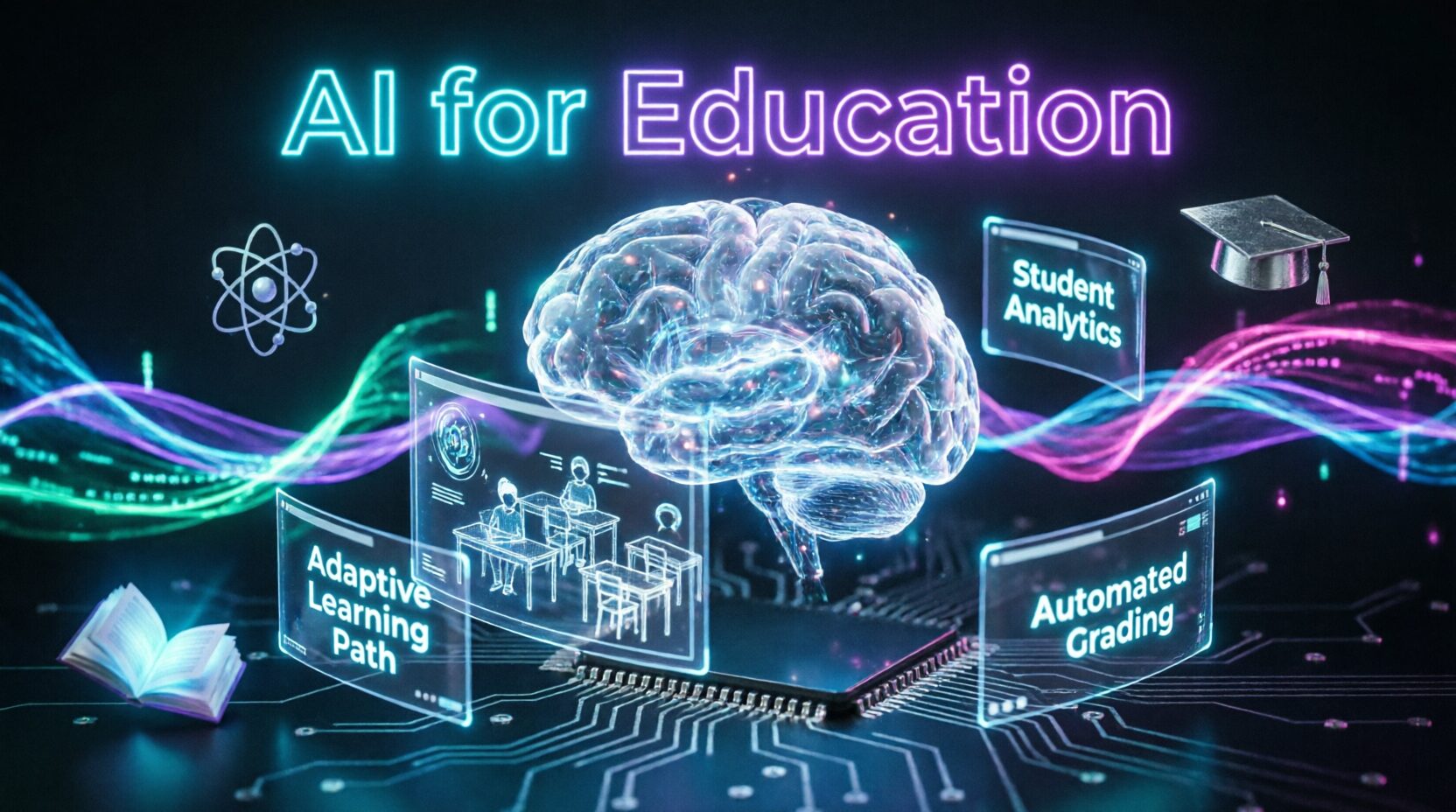
c. AI in Education
- Personalized Learning: AI tailors educational content based on student performance.
- Smart Classrooms: AI-driven virtual tutors help students learn effectively.
- Automated Grading: AI evaluates assignments and provides instant feedback.
d. AI in Finance
- Fraud Detection: AI detects suspicious transactions and prevents financial fraud.
- Trading Algorithms: AI predicts stock market trends and optimizes investment strategies.
- Smart Banking: AI chatbots assist customers with banking inquiries.
e. AI in Transportation
- Autonomous Vehicles: AI-powered self-driving cars are revolutionizing mobility.
- Smart Traffic Management: AI optimizes traffic flow and reduces congestion.
- AI in Aviation: AI enhances flight operations and air traffic control.
3. Emerging AI Technologies and Trends
a. Generative AI
- AI models like ChatGPT and DALL·E are creating human-like text, images, and videos.
b. AI-Powered Cybersecurity
- AI detects cyber threats and protects sensitive data from breaches.
c. AI-Driven Robotics
- AI-powered robots are being used in manufacturing, healthcare, and logistics.
4. Ethical and Regulatory Challenges of AI Innovations
a. AI Bias and Fairness
- AI can reflect biases in training data, leading to unfair decisions.
b. AI Regulation and Accountability
- Governments are introducing AI regulations to ensure ethical AI usage.
c. Transparency in AI Decision-Making
- AI models should be explainable to avoid black-box decision-making.
5. Future Predictions for AI Innovations
a. AI’s Next Breakthroughs
- AI-powered assistants will become more intuitive and human-like.
b. AI’s Impact on Jobs and the Economy
- While AI automates jobs, it also creates new opportunities in AI development.
c. How Businesses Can Prepare for AI
- Companies should invest in AI training, research, and ethical AI integration.
6. Conclusion
AI innovations are shaping the future of technology and business, transforming industries with automation, data-driven decision-making, and advanced problem-solving. However, ethical considerations and responsible AI development are crucial to ensure AI benefits society. Businesses and individuals must stay informed and embrace AI to remain competitive in the evolving landscape.
FAQs
1. What are some recent AI innovations?
Recent AI innovations include generative AI, AI-driven robotics, and AI-powered cybersecurity solutions.
2. How is AI transforming businesses?
AI helps businesses automate tasks, analyze customer data, and improve decision-making, leading to increased efficiency.
3. What industries benefit the most from AI innovations?
Industries such as healthcare, finance, education, marketing, and transportation are seeing significant benefits from AI.
4. Are there risks associated with AI innovations?
Yes, risks include data privacy concerns, AI bias, job displacement, and ethical issues related to AI decision-making.
5. How can companies integrate AI innovations?
Companies can adopt AI by investing in AI-powered tools, hiring AI specialists, and staying informed about emerging trends.