In today’s digital world, Artificial Intelligence Chat is revolutionizing the way businesses and individuals interact. AI-powered chatbots and virtual assistants have become essential tools for enhancing communication, offering instant responses, and providing personalized experiences. From customer service to e-commerce and healthcare, AI chat is transforming industries by making interactions more seamless and efficient.
In this blog, we will explore how Artificial Intelligence Chat works, its benefits, applications, top AI chat tools, challenges, and what the future holds for this technology.
How Artificial Intelligence Chat Works
AI chat systems use machine learning (ML), natural language processing (NLP), and deep learning to understand and respond to human queries. Here’s how they function:
- Natural Language Processing (NLP): AI chatbots analyze text inputs, understand the context, and generate appropriate responses.
- Machine Learning (ML): AI systems learn from user interactions and improve over time.
- Deep Learning: Advanced AI chatbots use neural networks to process large datasets and provide more accurate responses.
- Conversational AI Models: AI chat tools like ChatGPT and Google Bard use pre-trained language models to generate human-like replies.
Benefits of Artificial Intelligence Chat for Personalized Experiences
- Real-Time Engagement – AI chatbots provide instant responses, eliminating wait times.
- Customization – AI adapts to user preferences and behavior for a tailored experience.
- Efficiency – Reduces human workload by automating routine tasks and queries.
- 24/7 Availability – AI chatbots operate around the clock, ensuring continuous support.
- Cost-Effective – Businesses can save on customer service costs while enhancing user satisfaction.
- Multilingual Support – AI chatbots can interact in multiple languages, expanding global reach.
Key Applications of Artificial Intelligence Chat
1. Customer Service
AI chatbots help businesses manage customer queries, provide automated responses, and resolve common issues efficiently. For example, companies use AI-driven live chat for instant assistance.
2. E-commerce Assistance
AI chat in e-commerce platforms helps customers find products, receive recommendations, and complete transactions smoothly. AI-powered virtual assistants enhance online shopping experiences.
3. Healthcare & Telemedicine
AI chatbots assist in scheduling appointments, providing medical guidance, and offering mental health support through conversational AI.
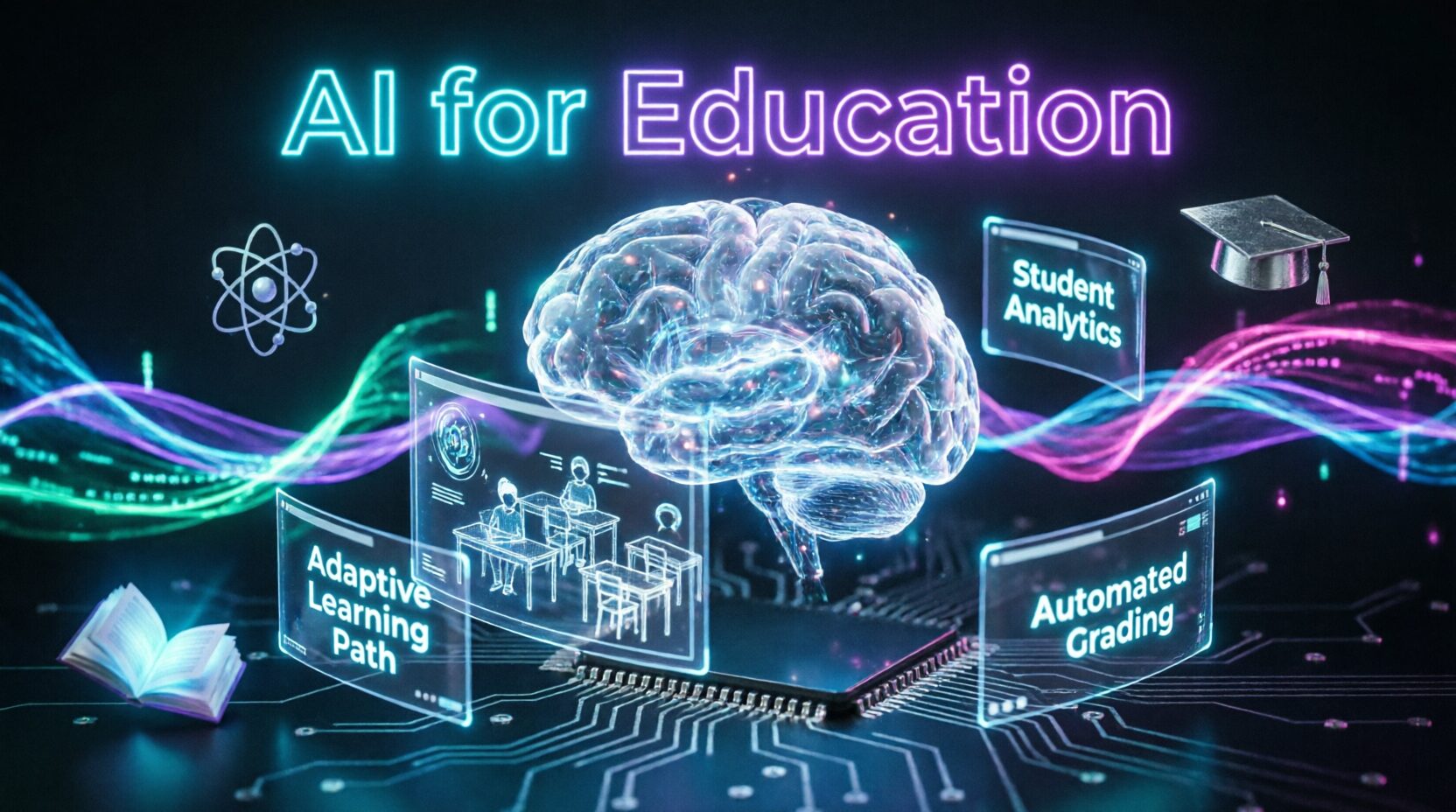
4. Education & Learning
AI tutors offer personalized learning experiences, helping students with lessons, answering questions, and providing study materials.
Top AI Chat Tools for Personalized Experiences
- ChatGPT – A leading AI chatbot for conversations, content generation, and automation.
- Google Bard – AI-powered search and content generation chatbot.
- IBM Watson Assistant – AI chatbot designed for business automation and enterprise use.
- Drift AI – AI chat tool for sales and marketing automation.
- Mitsuku Chatbot – A conversational AI chatbot known for engaging human-like interactions.
Challenges and Limitations of Artificial Intelligence Chat
- Data Privacy Concerns – AI chat platforms collect user data, raising privacy and security issues.
- Understanding Complex Queries – Some AI chatbots struggle with nuanced conversations and sarcasm.
- Bias in AI Models – AI chatbots may reflect biases present in their training data, leading to inaccurate responses.
- Dependency on Data Quality – AI chat effectiveness depends on the quality and quantity of data used for training.
The Future of Artificial Intelligence Chat
The future of AI chat will focus on:
- Emotion-Aware AI Chatbots – AI will be able to recognize human emotions and respond accordingly.
- Contextual Understanding – Future AI chat models will offer better contextual responses, reducing misinterpretation.
- Integration with AR/VR – AI chatbots will integrate with augmented reality (AR) and virtual reality (VR) for immersive interactions.
- More Human-Like Conversations – AI will improve in mimicking natural human conversations with voice and text enhancements.
Conclusion
Artificial Intelligence Chat is transforming digital communication by enhancing personalized experiences across industries. With advancements in machine learning, NLP, and deep learning, AI chat systems are becoming more sophisticated, responsive, and efficient. As AI continues to evolve, it will play an even bigger role in customer service, e-commerce, healthcare, and education, making interactions more seamless and intuitive.
FAQs – Artificial Intelligence Chat
1. What is Artificial Intelligence Chat?
Artificial Intelligence Chat refers to AI-powered chatbots and virtual assistants that use machine learning and NLP to provide instant responses and personalized interactions.
2. How does AI chat enhance personalized experiences?
AI chat systems analyze user behavior, preferences, and past interactions to deliver customized responses, product recommendations, and tailored support.
3. Are AI chatbots replacing human customer service?
While AI chatbots handle routine queries efficiently, human customer service is still necessary for complex and sensitive interactions.
4. Which industries benefit the most from AI chat technology?
Industries like e-commerce, healthcare, education, and customer service leverage AI chatbots for improved engagement and support.
5. What are the challenges of using Artificial Intelligence Chat?
Challenges include data privacy concerns, difficulty in understanding complex queries, AI bias, and dependency on high-quality training data.