The rapid evolution of artificial intelligence (AI) has revolutionized various industries, and software development is no exception. AI to Code is changing the way developers write, debug, and optimize code by automating tedious tasks and enhancing productivity. With AI-powered tools like GitHub Copilot, Tabnine, and CodeWhisperer, developers can now generate high-quality code with minimal effort.
In this blog, we’ll explore how AI to Code is reshaping software development, the benefits it offers, the best AI-driven coding tools, and the challenges that come with this technology.
1. Understanding AI to Code
What is AI to Code?
AI to Code refers to the use of artificial intelligence in automating coding tasks, including code generation, debugging, optimization, and testing. By leveraging machine learning (ML), natural language processing (NLP), and deep learning, AI can analyze large codebases, detect patterns, and provide recommendations to improve efficiency.
Evolution of AI-Powered Coding
- Early Automation: Initially, coding automation was limited to simple code snippets and autocomplete features.
- Advanced AI Integration: AI now understands contextual coding and suggests entire functions based on the project’s requirements.
- Future Possibilities: AI is paving the way for fully autonomous coding, reducing manual intervention in software development.
2. Benefits of AI to Code
AI-powered coding tools bring numerous advantages that streamline development workflows and improve code quality.
1. Faster Development Cycles
AI can write and optimize code quickly, reducing the time spent on repetitive tasks. Developers can focus more on problem-solving and innovation.
2. Fewer Errors & Improved Accuracy
AI-powered debugging tools can detect and fix errors in real-time, reducing the risk of bugs and security vulnerabilities.
3. Enhanced Code Quality & Readability
AI suggests best practices for coding standards, ensuring that the code is clean, efficient, and well-structured.
4. Automated Debugging & Performance Optimization
AI-driven tools provide automated bug detection and performance recommendations, helping developers write optimized and secure code.
5. Cost Reduction
By automating repetitive coding tasks, companies can reduce development costs and allocate resources more efficiently using advanced AI tools for seamless integration and optimization.
3. Top AI Tools for Coding
Several AI-powered coding assistants are transforming the way developers write software. Below are some of the most popular ones:
1. GitHub Copilot
- Developed by OpenAI and GitHub.
- Uses AI to suggest code snippets and complete functions.
- Supports multiple programming languages.
2. Tabnine
- AI-powered autocomplete tool for faster coding.
- Works with multiple IDEs like VS Code, IntelliJ, and Sublime Text.
3. Amazon CodeWhisperer
- Provides real-time code suggestions based on context.
- Helps with writing cloud applications efficiently.
4. DeepCode
- AI-driven code review and security analysis tool.
- Identifies vulnerabilities and suggests fixes.
5. PolyCoder
- Open-source AI model trained on various coding languages.
- Helps in generating complex functions and algorithms.
4. AI in Different Stages of Software Development
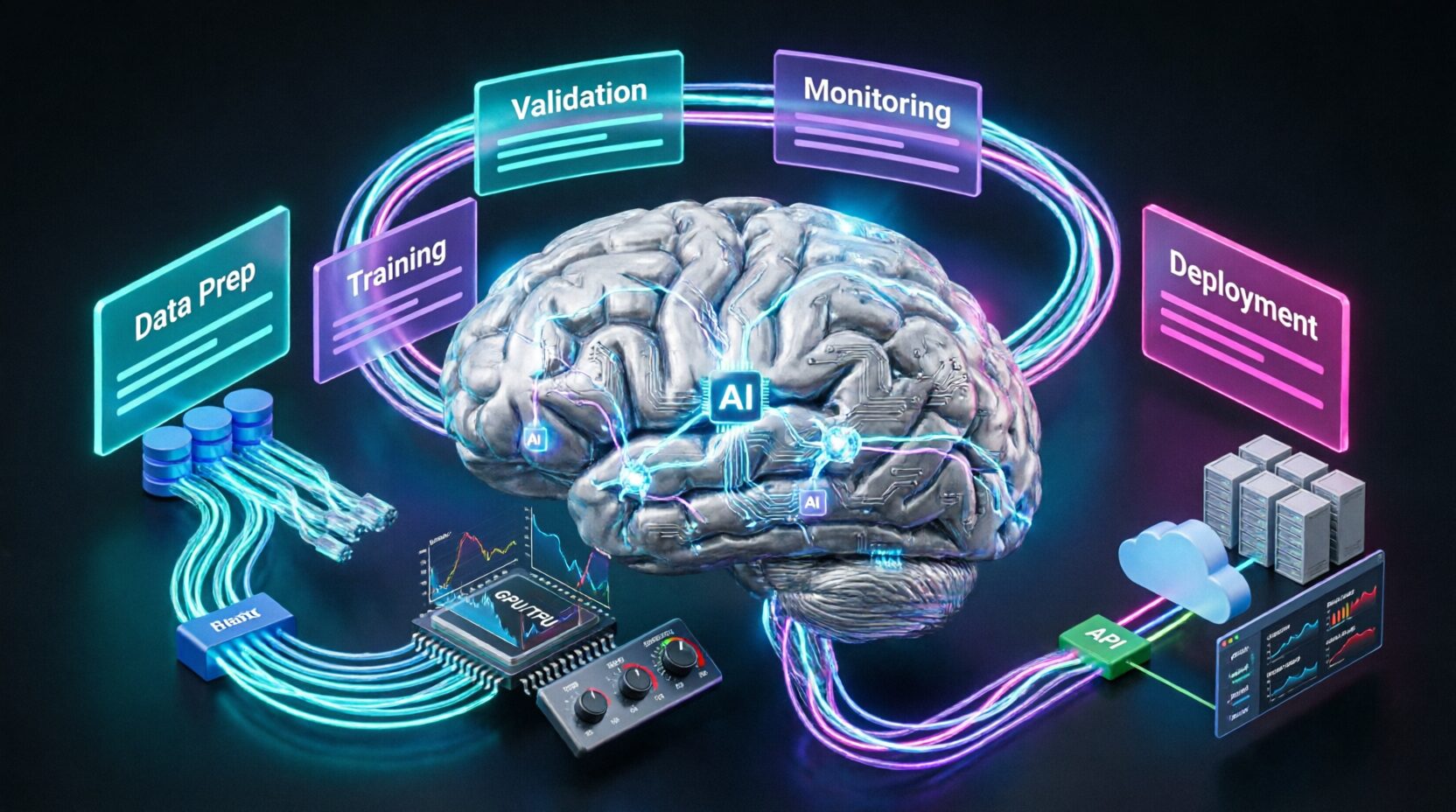
AI plays a crucial role in multiple phases of software development, from writing and reviewing code to testing and deployment.
1. Code Generation
- AI generates boilerplate code, functions, and scripts based on project requirements.
- Speeds up the development process.
2. Code Review & Debugging
- AI-powered tools scan code for potential errors and inefficiencies.
- Provides real-time suggestions to fix bugs.
3. Testing & Deployment
- AI automates unit testing, integration testing, and security testing.
- Ensures bug-free deployment and enhances software stability.
4. Code Refactoring & Optimization
- AI identifies areas for code improvement and suggests better structures.
- Reduces unnecessary complexity while improving performance.
5. Challenges and Limitations of AI to Code
While AI-powered coding has numerous benefits, it also presents challenges that developers must address.
1. Ethical Concerns & Job Displacement
- AI automates many tasks, but it cannot replace human creativity in problem-solving and decision-making.
- Developers must adapt and upskill to work alongside AI.
2. Dependence on AI-Generated Code
- Over-reliance on AI may result in less manual problem-solving and a decline in developer expertise.
- Developers should review AI-generated code to ensure quality and accuracy.
3. Potential Security Risks
- AI-generated code might introduce security vulnerabilities if not properly reviewed.
- Security testing remains essential.
4. Bias & Errors in AI Models
- AI models can inherit biases from training data, leading to flawed or inefficient code.
- Regular updates and improvements are needed to ensure accuracy.
6. The Future of AI to Code
AI is rapidly evolving, and its role in coding will only expand. Some key trends include:
1. Low-Code and No-Code Development
- AI-powered tools enable users with minimal coding experience to develop applications.
2. AI-Generated Code Becoming Standard
- AI will play a more active role in enterprise software development.
3. More Advanced AI Debugging Tools
- Future AI models will become even more accurate in detecting and fixing errors.
4. Ethical AI Coding Practices
- Developers and AI researchers will focus on creating responsible AI models with transparency and accountability.
Conclusion
AI to Code is transforming software development by automating tasks, improving accuracy, and enhancing efficiency. While AI-driven coding tools offer significant advantages, human oversight remains crucial for security, creativity, and ethical coding. Developers should embrace AI as a tool that enhances productivity rather than replacing human expertise.
FAQs
1. What is AI to Code?
AI to Code refers to using artificial intelligence to automate various coding tasks, including code generation, debugging, and optimization.
2. How does AI assist in coding?
AI-powered tools analyze code, suggest improvements, detect errors, and even write code snippets automatically.
3. What are the best AI tools for coding?
Some of the most popular AI coding tools include GitHub Copilot, Tabnine, Amazon CodeWhisperer, and DeepCode.
4. Can AI replace human programmers?
No, AI enhances productivity but still requires human oversight for creative problem-solving and decision-making.
5. Is AI-generated code safe?
AI-generated code can sometimes contain vulnerabilities, so human review and testing are essential to ensure security and reliability.