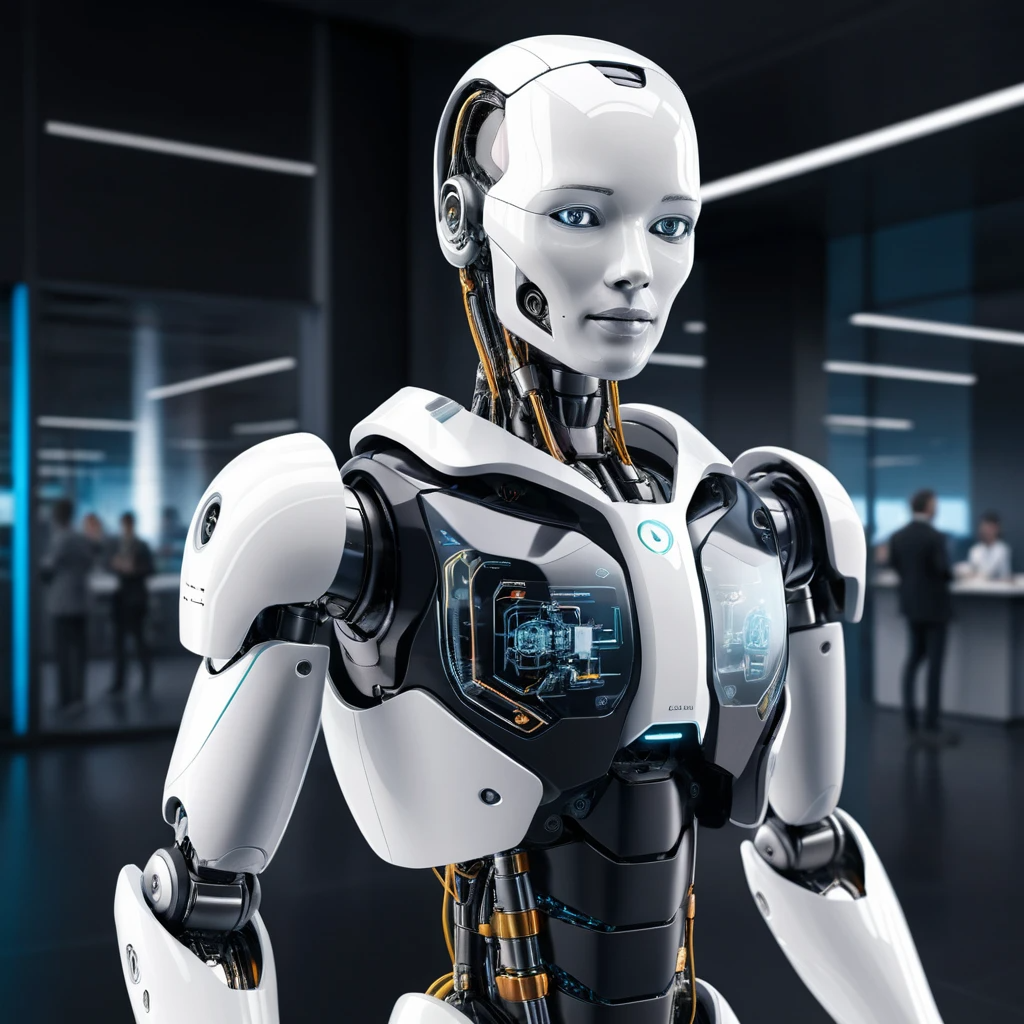
Artificial intelligence is revolutionizing industries worldwide, and understanding the types of ai is crucial for businesses aiming to stay competitive. In this article, we explore seven game-changing technologies that are propelling AI innovation forward, driving unstoppable advancements in efficiency, creativity, and decision-making.
1. Machine Learning: The Data-Driven Engine
Machine Learning (ML) is the backbone of modern AI systems. By analyzing vast amounts of data, ML algorithms learn patterns and make predictions with impressive accuracy. This technology powers recommendation engines, fraud detection systems, and personalized marketing strategies, making it one of the most transformative types of ai.
2. Deep Learning: Unleashing Complex Neural Networks
Deep Learning takes machine learning a step further by using multi-layered neural networks to analyze data. It excels at recognizing intricate patterns in images, audio, and text. From self-driving cars to medical imaging diagnostics, deep learning is a game-changing technology that continues to push the boundaries of AI innovation.
3. Natural Language Processing (NLP): Revolutionizing Communication
Natural Language Processing (NLP) enables machines to understand and generate human language. This types of ai technology is behind chatbots, virtual assistants, and sentiment analysis tools. By processing and interpreting text, NLP is transforming customer support and market research, ensuring that companies can derive actionable insights from everyday communications.
4. Computer Vision: Empowering Visual Intelligence
Computer Vision allows machines to interpret and understand visual information from the world. By processing images and videos, AI systems can identify objects, track movements, and even diagnose medical conditions. This technology is revolutionizing industries like retail, security, and healthcare by automating tasks that once required human vision and interpretation.
5. Reinforcement Learning: Self-Learning for Smarter Decisions
Reinforcement Learning is an AI technique where algorithms learn optimal behaviors through trial and error. This approach is particularly effective in dynamic environments, such as robotics, gaming, and autonomous driving. Reinforcement learning fosters a new wave of intelligent systems capable of adapting to changing conditions, marking it as a key type of ai that drives unstoppable innovation.
6. Generative AI: Creating New Possibilities
Generative AI involves systems that can create new content—ranging from text and images to music and video—based on the data they’ve learned. This cutting-edge technology is fueling creativity in industries like entertainment and advertising, where generating unique, high-quality content is critical. By automating the creative process, generative AI is setting new benchmarks for innovation.
7. Edge AI: Real-Time Insights at the Source
Edge AI refers to the deployment of artificial intelligence at the edge of the network—directly on devices or sensors—allowing for real-time data processing without relying on centralized cloud computing. This technology is transforming industries that require instant decision-making, such as manufacturing, healthcare, and autonomous vehicles. Edge AI delivers efficiency and speed, marking it as one of the most disruptive types of ai today.
Conclusion
The landscape of types of ai is diverse and rapidly evolving. From machine learning and deep learning to natural language processing and edge AI, these seven game-changing technologies are driving unstoppable innovation across every industry. By embracing these advancements, organizations can unlock unprecedented efficiency, creativity, and growth—paving the way for a smarter, more connected future.
FAQs
How is edge AI transforming data processing?
Edge AI processes data locally on devices, reducing latency and enabling real-time insights, which is crucial for applications in autonomous driving, healthcare, and industrial automation.
What are the main types of AI?
The primary types of AI include machine learning, deep learning, natural language processing, computer vision, reinforcement learning, generative AI, and edge AI.
How does deep learning differ from machine learning?
Deep learning uses multi-layered neural networks to handle more complex data and patterns compared to traditional machine learning methods.
What industries benefit from computer vision?
Computer vision is widely used in healthcare, retail, security, automotive, and manufacturing, among other industries.
Why is reinforcement learning important for AI innovation?
Reinforcement learning enables AI systems to learn optimal behaviors in dynamic environments, making them adaptable and efficient in real-time applications.