Retrieval Augmented Generation (RAG) is a powerful technology that boosts the capabilities of large language models (LLMs) by enhancing their responses with relevant, external data. By using a vector database to retrieve accurate information, RAG allows LLMs to ground their responses in real-world knowledge, improving the quality and reliability of generated outputs. However, an even more advanced approach called Agentic RAG takes this concept to the next level, enabling AI to make intelligent decisions about which data to retrieve and how to respond. In this article, we’ll explore What is Agentic RAG? and changing the landscape of AI-driven decision-making and its potential applications across various industries.
What is Retrieval Augmented Generation (RAG)?
At its core, RAG works by enhancing the capabilities of an LLM with additional context. When a user submits a query, the LLM typically generates a response based solely on its training. However, with RAG, the model first retrieves relevant data from a vector database, incorporating this data into the prompt before generating the output. This integration of concrete information improves the accuracy and reliability of the response, allowing the AI to provide more grounded and insightful answers.
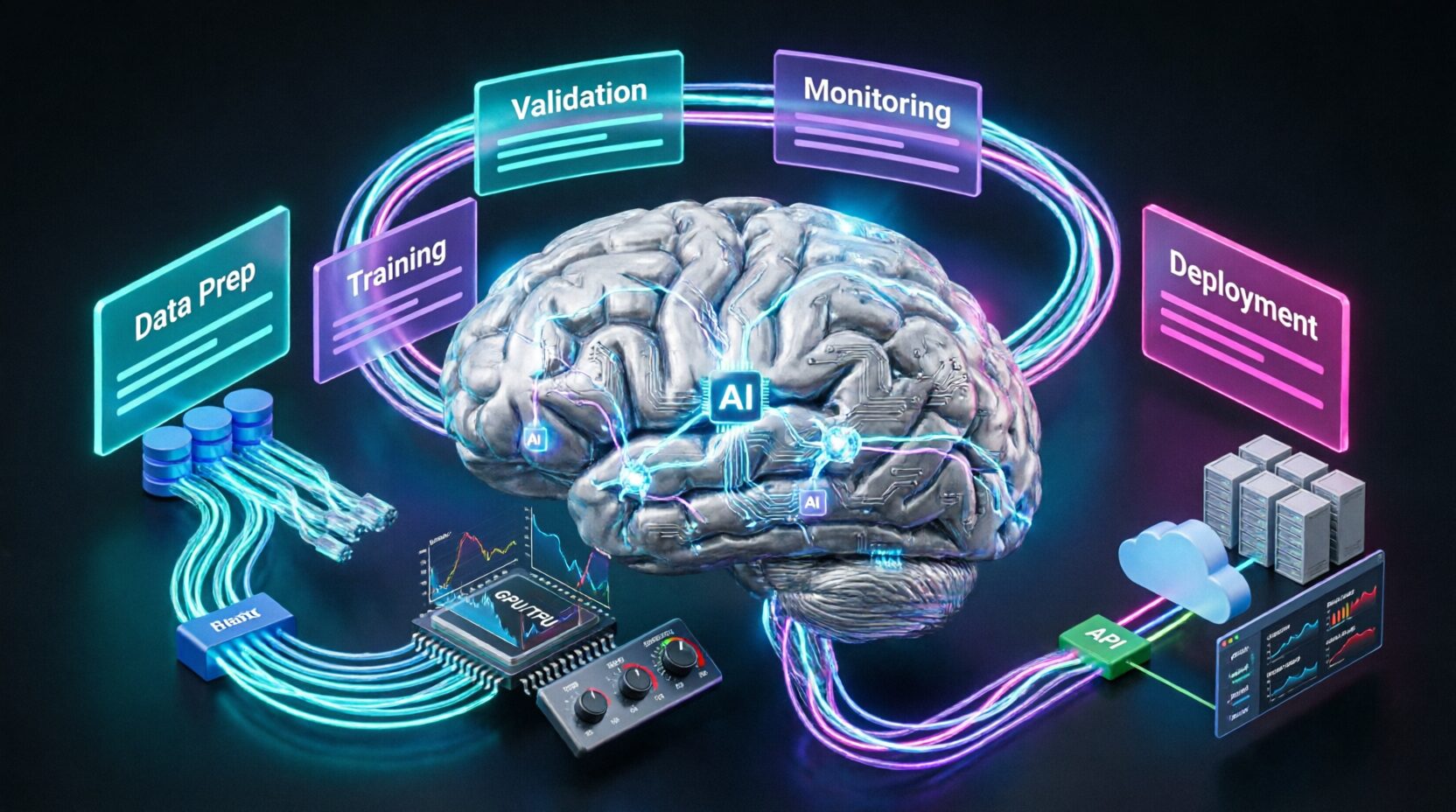
In a traditional RAG pipeline, the query is passed through a vector database to retrieve relevant data, which is then used as context for the LLM’s response. However, this process has room for improvement, especially when multiple data sources are involved.
Introducing Agentic RAG: Intelligent Decision-Making
While RAG has already made significant strides in improving the quality of AI responses, Agentic RAG enhances this process by allowing the LLM to take on a more active role. Instead of merely generating responses, the AI can make decisions about which data sources to query and how to tailor the response based on the specific context of the query.
In an Agentic RAG system, the LLM acts as an “agent” that not only generates text but also decides which database to consult. This decision-making ability allows the AI to more intelligently assess the context of a query, improving the relevance and accuracy of the retrieved data.
A Multi-Source Approach to Data Retrieval
One of the key advantages of Agentic RAG is its ability to handle multiple data sources. Rather than relying on just a single vector database, the system can incorporate several data sources, such as:
- Internal Documentation: Policies, procedures, guidelines, and other internal resources.
- General Industry Knowledge: Standards, best practices, and public resources relevant to the industry.
When a query is received, the Agentic RAG system uses the LLM’s understanding of the language and context to determine which database contains the most relevant data. For example, if a user asks about a company’s remote work policies during the holidays, the system would query the internal documentation database for the answer. On the other hand, if the query is about general industry standards for remote work in tech companies, the system would pull from a more general knowledge base.
Intelligent Query Handling
The Agentic RAG pipeline is capable of understanding the nuance of different queries and making informed decisions. If an employee asks a question that pertains specifically to internal policies, the agent directs the query to the appropriate database. For example, questions like “What is the company policy on remote work during the holidays?” are routed to internal documentation, ensuring the most relevant answer.
However, if a question is more general—such as “What are the industry standards for remote work?”—the agent knows to consult a broader, more public knowledge database. This intelligent routing ensures that the AI provides the most accurate and contextually appropriate answer.
Failsafes for Irrelevant Queries
Sometimes, users may ask questions that don’t fit within the scope of the available data sources. For instance, a query like “Who won the World Series in 2015?” may not be relevant to the company’s internal documentation or industry knowledge base.
In these cases, the Agentic RAG system can route the query to a failsafe, which informs the user that the information is not available. This capability ensures that the system doesn’t attempt to generate a response from irrelevant data sources, preserving the accuracy and integrity of the outputs.
Real-World Applications of Agentic RAG
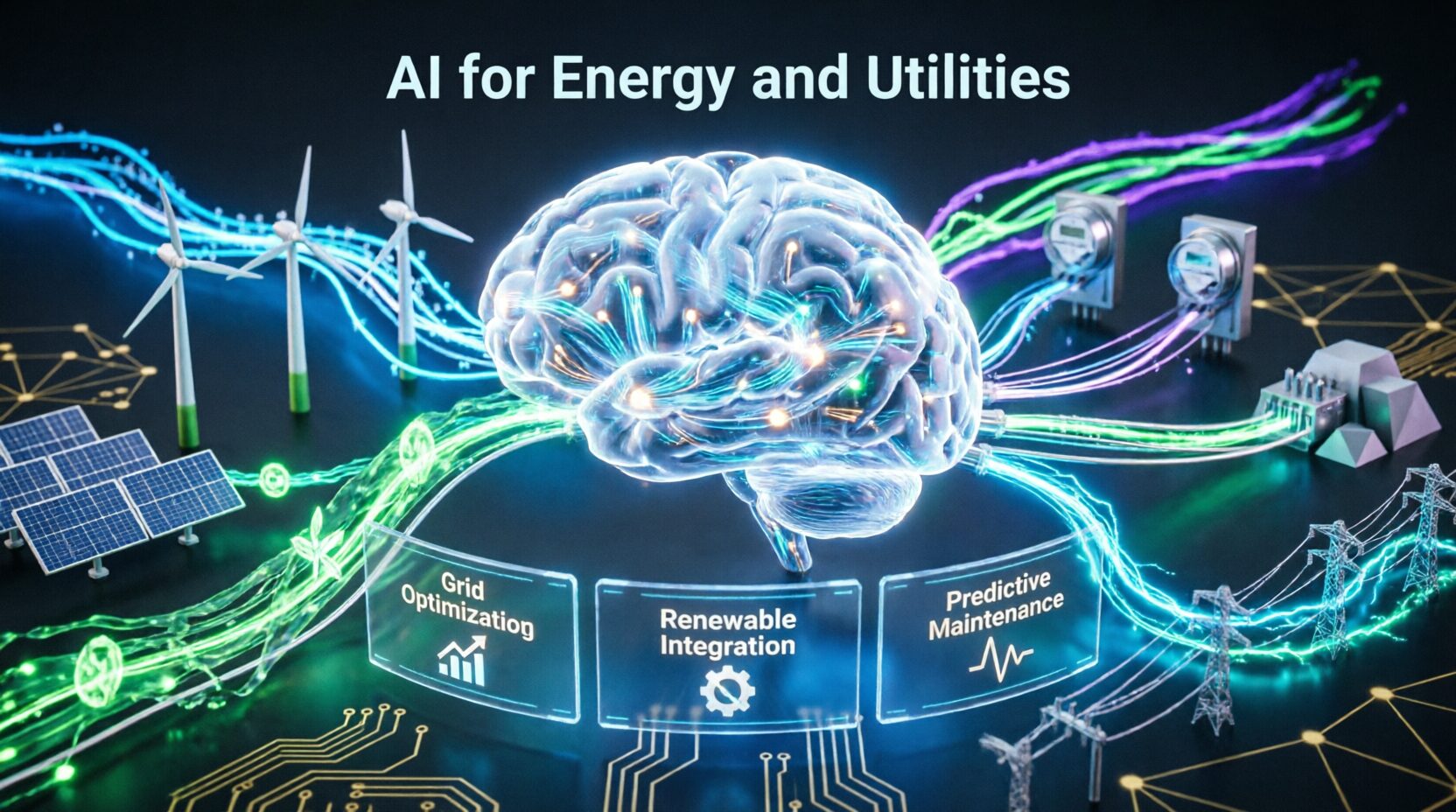
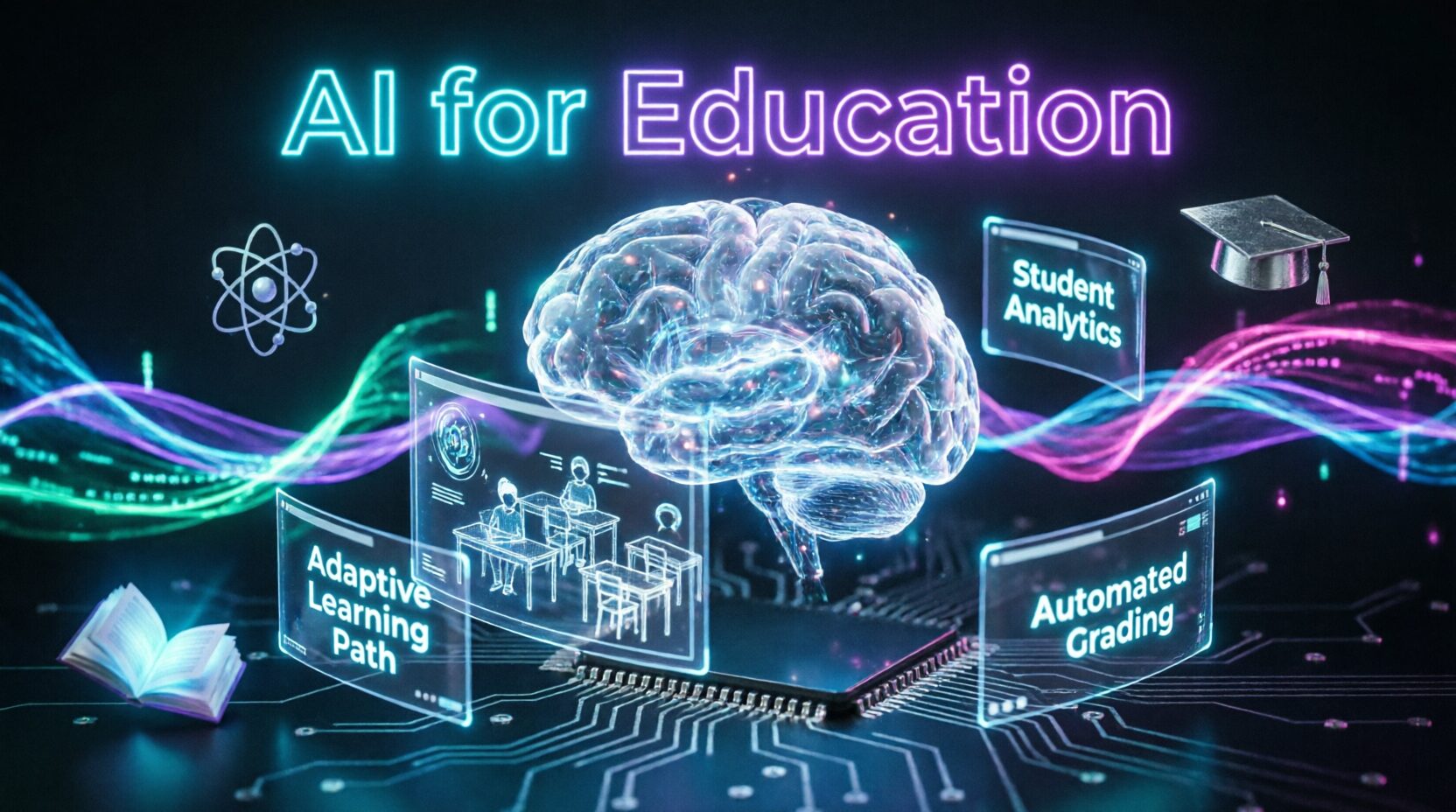
The potential of Agentic RAG is vast, and it can be applied in various industries where quick, context-driven decision-making is crucial. Some of the areas where Agentic RAG can make a significant impact include:
- Customer Support Systems: AI-driven systems can handle customer inquiries by querying both internal knowledge bases (e.g., product details) and external sources (e.g., industry standards) to provide precise answers.
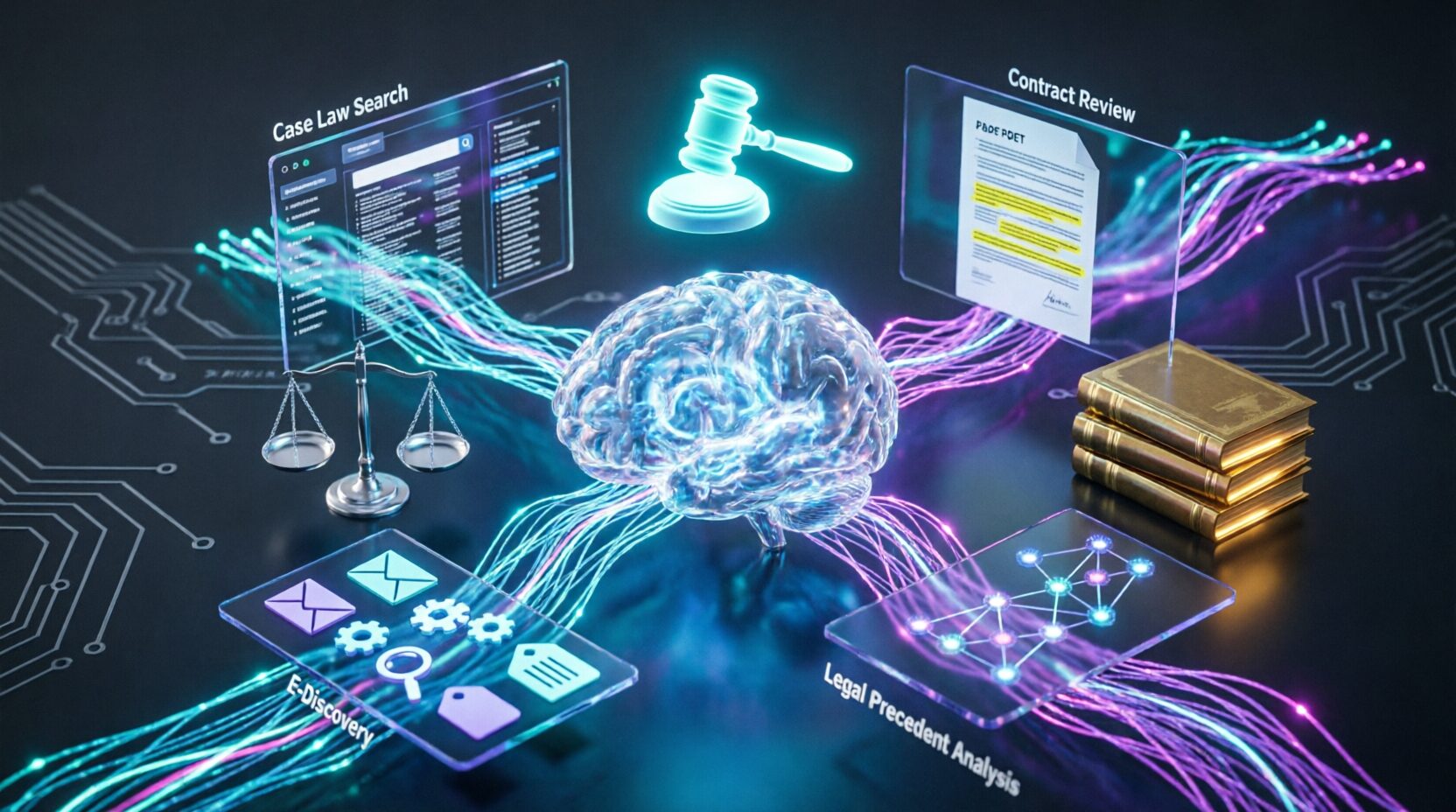
- Legal Tech: Lawyers can query internal briefs or case documentation for answers while also consulting public caseload databases to gather relevant information for their cases.
- Healthcare: AI can combine internal patient data with external medical research and public health guidelines to offer more accurate medical insights and treatment recommendations.
Conclusion:
Agentic RAG represents an exciting evolution in the way AI systems are used to enhance decision-making. By allowing AI to not only generate responses but also make informed decisions about data sources, the system becomes more intelligent, adaptable, and responsive. This new pipeline can significantly improve the quality of outputs in fields such as customer service, legal tech, healthcare, and beyond.
As AI technology continues to evolve, we can expect systems that not only understand the context of a query but also intelligently respond by considering multiple data sources, adapting to real-time needs, and delivering more accurate, relevant answers. The future of AI is poised to be smarter and more versatile, opening up countless opportunities for innovation across industries.