The collaboration between AI and humans is transforming industries, redefining job roles, and unlocking new levels of productivity. Artificial Intelligence is no longer just a tool for automation; it has become a partner in decision-making, creativity, and innovation. Instead of replacing human intelligence, AI enhances human capabilities by handling repetitive tasks, analyzing vast amounts of data, and providing valuable insights. As we step into 2025, AI and human synergy will be the driving force behind the next wave of technological advancement.
Understanding AI and Human Collaboration
What is AI and Human Collaboration?
AI and human collaboration refers to the integration of artificial intelligence into human workflows to improve efficiency, decision-making, and innovation. Unlike traditional automation, where AI replaces human labor, AI-human collaboration focuses on augmentation—where AI supports and amplifies human abilities.
AI as an Assistant, Not a Replacement
AI is designed to assist humans in tasks that require data processing, pattern recognition, and automation. However, human intuition, emotional intelligence, and ethical considerations remain irreplaceable. AI works best when it complements human intelligence rather than competes with it.
Key Industries Benefiting from AI-Human Synergy
1. Healthcare
- AI-Powered Diagnostics: AI can analyze medical images, detect diseases, and recommend treatments faster than human doctors.
- AI-Assisted Surgeries: Robotic-assisted surgeries improve precision while surgeons retain control over critical procedures.
- Personalized Treatment Plans: AI analyzes patient data to provide tailored treatment plans, enhancing patient care.
2. Education
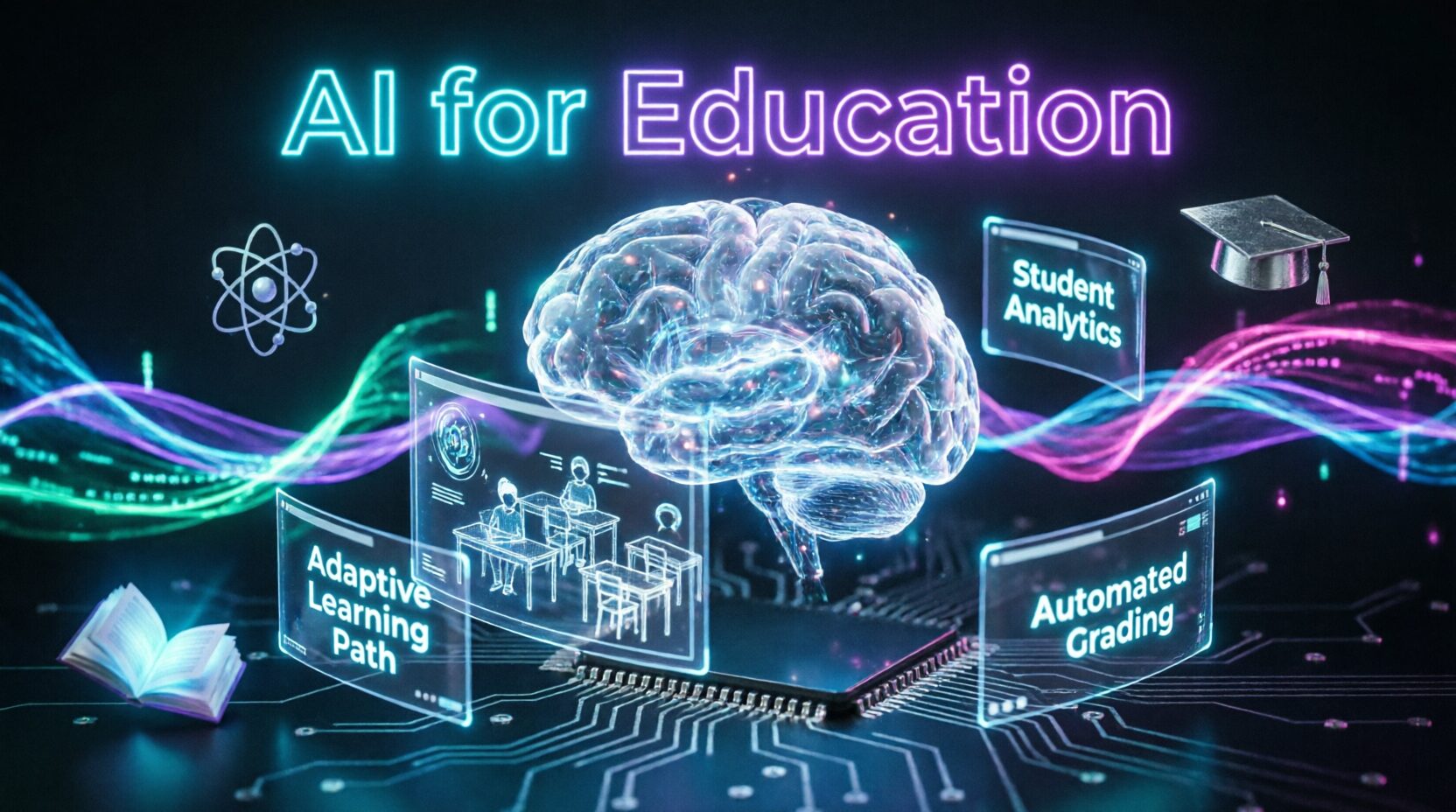
- Smart Tutoring Systems: AI-powered tutoring platforms adapt to individual learning styles, offering personalized education.
- Automated Grading and Feedback: AI can assess assignments and exams, allowing teachers to focus on student engagement.
- AI in Special Education: AI-driven tools assist students with disabilities, making education more inclusive.
3. Business & Marketing
- AI-Driven Analytics: Businesses use AI to analyze customer behavior and predict trends.
- Personalized Customer Engagement: AI chatbots provide instant support while human agents handle complex interactions.
- Content Generation and Optimization: AI assists in creating marketing copy, while humans refine the tone and creativity.
4. Finance & Banking
- Fraud Detection and Prevention: AI identifies suspicious transactions in real-time, minimizing risks.
- AI-Enhanced Investment Strategies: AI predicts market trends, helping investors make data-driven decisions.
- Automated Banking Assistants: AI-powered virtual assistants help customers manage their finances efficiently.
5. Manufacturing & Automation
- Collaborative Robots (Cobots): AI-powered robots work alongside humans on factory floors to improve efficiency and safety.
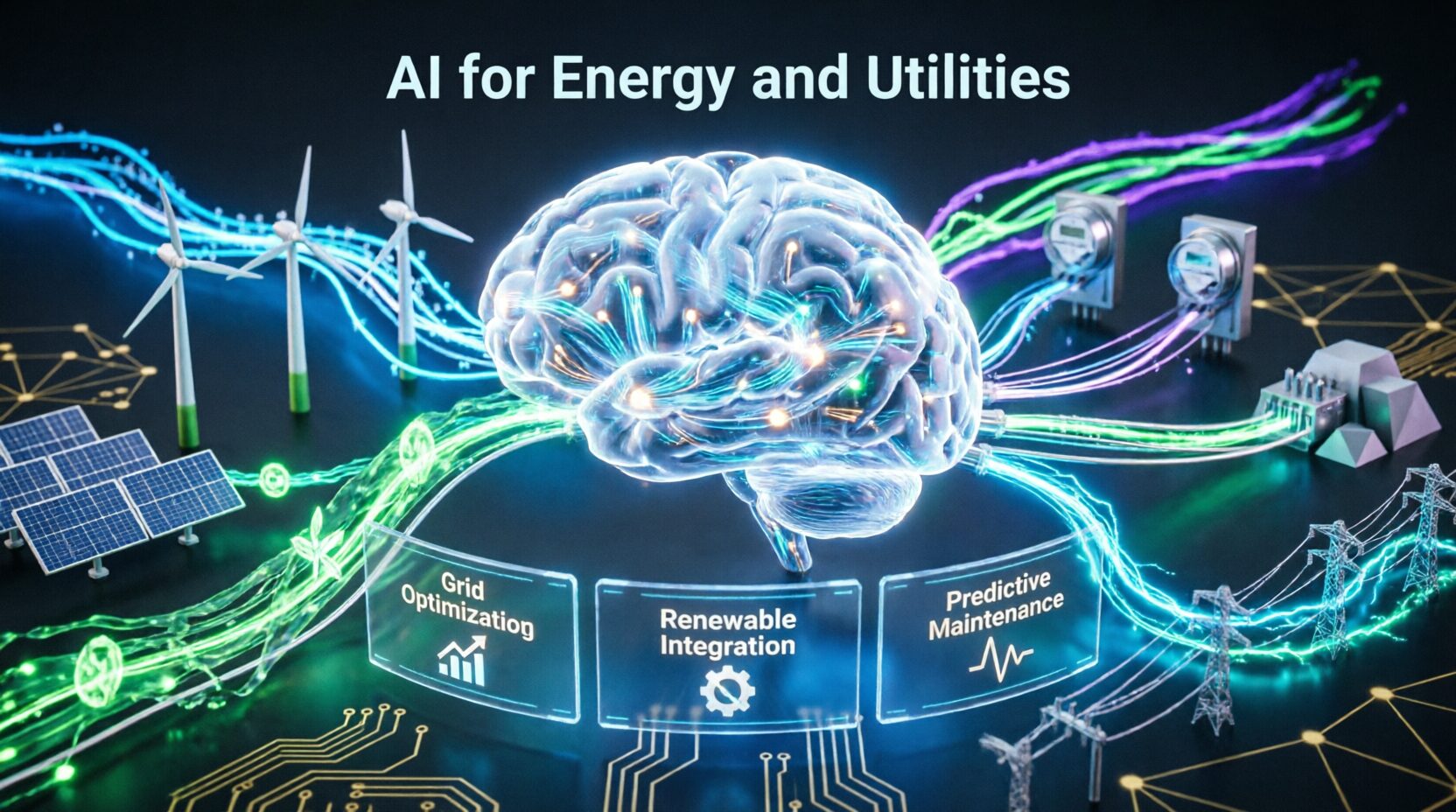
- Predictive Maintenance: AI analyzes equipment data to detect potential failures before they happen.
- Supply Chain Optimization: AI streamlines logistics and inventory management, reducing costs and delays.
Advantages of AI and Human Collaboration
1. Increased Productivity
AI automates repetitive tasks, allowing humans to focus on complex problem-solving and strategic planning.
2. Better Decision-Making
AI provides data-driven insights, while humans apply creativity and ethical considerations to make informed decisions.
3. Innovation & Creativity
AI tools assist in brainstorming, designing, and developing new products and services, enhancing human creativity.
4. Cost Efficiency & Accuracy
AI reduces human errors, speeds up workflows, and improves accuracy in various fields, from finance to healthcare.
5. Improved Customer Experience
AI-powered personalization ensures that customers receive tailored recommendations, while human representatives add emotional intelligence to interactions.
Challenges & Ethical Concerns
1. AI Bias and Fairness
AI systems can inherit biases from training data, leading to unfair decisions. Human oversight is essential to ensure AI-driven processes remain fair and unbiased.
2. Job Displacement Fears
While AI automates many tasks, it also creates new job opportunities. Businesses must focus on reskilling employees to work alongside AI rather than replace them.
3. Data Privacy and Security
AI relies on vast amounts of data, raising concerns about privacy and security. Strong regulations and ethical AI practices are crucial to addressing these issues.
4. Trust and Transparency
People need to understand how AI makes decisions. Transparent AI systems that allow human intervention can build trust and ensure accountability.
Future Trends in AI and Human Collaboration
1. AI Becoming More Emotionally Intelligent
AI is evolving to understand human emotions better, enabling more natural interactions in customer service and healthcare.
2. Hyper-Personalization in AI
AI-driven personalization in marketing, e-commerce, and entertainment will continue to improve user experiences.
3. AI-Augmented Creativity
AI tools will enhance human creativity in fields like content creation, graphic design, and music composition.
4. AI & Human Teams in Decision-Making
AI will provide data-driven insights, but humans will retain decision-making power in critical areas like governance, healthcare, and ethics.
Conclusion
Artificial intelligence is not here to replace humans—it is here to empower them. By working together, AI and humans can achieve greater efficiency, innovation, and problem-solving. The future lies in collaboration, where AI takes care of data processing and automation, while humans bring emotional intelligence, ethics, and creativity into the equation. Embracing AI-human synergy is the key to unlocking new possibilities in 2025 and beyond.
FAQs
1. Will AI completely replace humans in the future?
No, AI is designed to enhance human capabilities rather than replace them. Human intuition, emotional intelligence, and ethical reasoning remain irreplaceable.
2. How is AI improving human productivity?
AI automates repetitive tasks, provides data-driven insights, and enhances creativity, allowing humans to focus on higher-level problem-solving.
3. What industries benefit most from AI and human collaboration?
Healthcare, education, finance, business, and manufacturing see major benefits from AI-human synergy, improving efficiency and decision-making.
4. What are the biggest challenges of AI and human collaboration?
Challenges include AI bias, data privacy concerns, job displacement fears, and the need for trust and transparency in AI decisions.
5. How can businesses integrate AI without replacing employees?
Businesses can use AI for automation while reskilling employees to work alongside AI, focusing on creativity, strategy, and customer engagement.