In today’s digital world, data is at the heart of technological advancements, and AI Data is playing a transformative role in how information is processed, analyzed, and utilized. Artificial Intelligence (AI) has significantly enhanced data-driven decision-making, allowing businesses and industries to leverage insights like never before.
From healthcare to finance, AI-driven data processing is optimizing efficiency, improving accuracy, and predicting trends with remarkable precision. In this blog, we’ll explore what AI Data is, how it works, its benefits, industry applications, challenges, and its future potential.
1. What is AI Data?
AI Data refers to data that is collected, processed, and analyzed using Artificial Intelligence techniques, such as Machine Learning (ML), Deep Learning, and Natural Language Processing (NLP). Unlike traditional data processing methods that rely on manual effort and predefined rules, AI-driven data processing, supported by AI data tools, is dynamic, adaptive, and self-learning.
Key Features of AI Data:
- Automated Processing: AI can analyze vast amounts of data in real time.
- Pattern Recognition: AI detects trends and insights from large datasets.
- Predictive Analysis: AI forecasts outcomes based on historical data.
- Self-Learning Capabilities: Machine learning models improve over time without human intervention.
2. The Role of AI in Data Processing
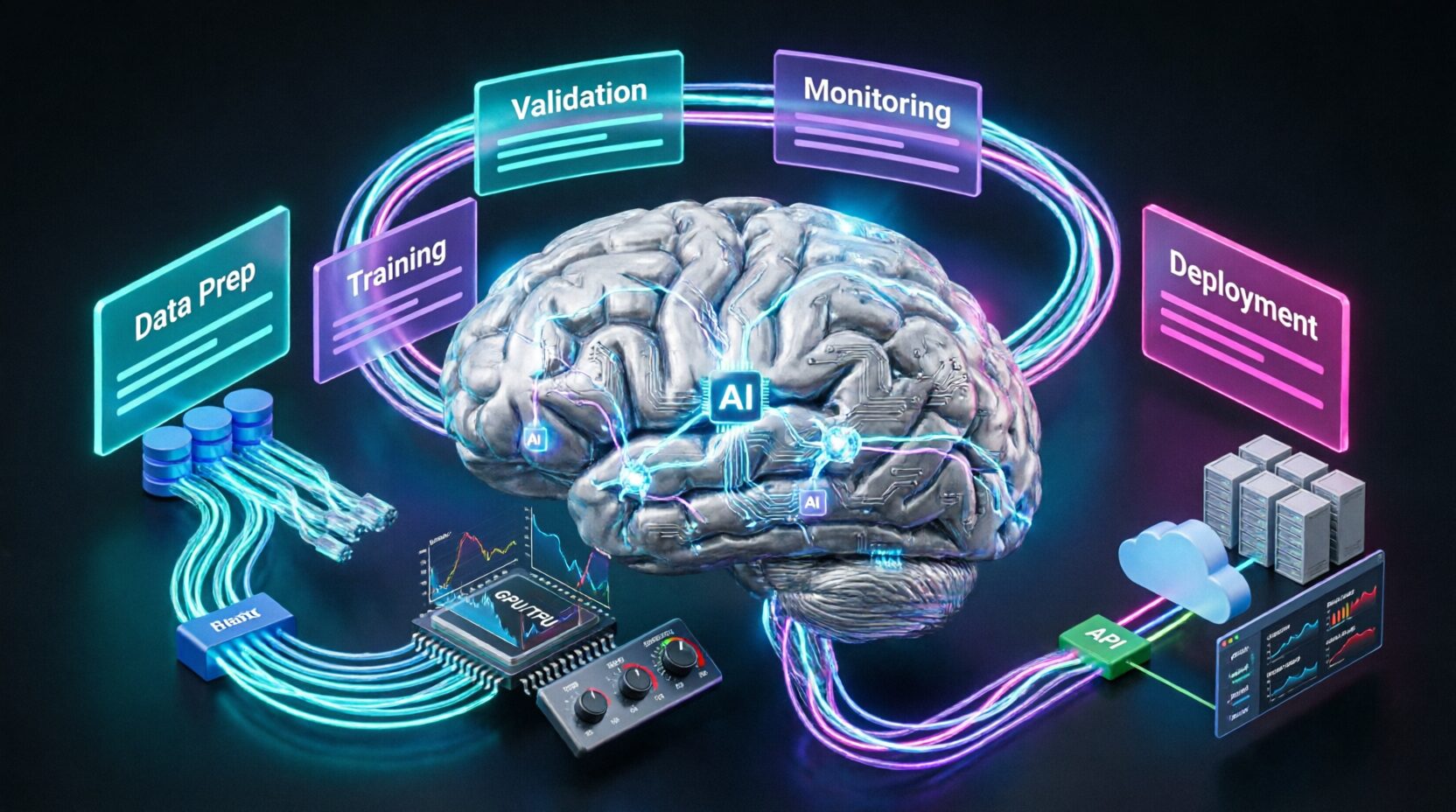
AI has revolutionized how data is collected, stored, and utilized across industries. Unlike conventional data analysis, AI-powered data processing can automate, optimize, and scale operations more efficiently.
How AI Enhances Data Processing:
✅ Automated Data Collection: AI extracts and organizes data from multiple sources, reducing manual effort.
✅ Real-Time Analytics: AI processes data instantly, helping businesses make faster decisions.
✅ Data Cleansing & Validation: AI removes duplicate, inconsistent, or incorrect data to improve accuracy.
✅ Smart Data Insights: AI identifies trends and correlations, leading to better decision-making.
Example: In finance, AI-driven algorithms analyze stock market trends in real time, helping investors make informed decisions.
3. Benefits of AI Data Processing
Smart Data Processing offers several advantages over traditional data processing methods. Here’s how businesses and industries benefit from AI-powered data analysis:
✅ Faster Decision-Making
AI can process massive amounts of data within seconds, helping businesses respond to market trends and customer needs quickly.
✅ Improved Accuracy & Reduced Errors
AI eliminates human errors in data interpretation and ensures high precision in analytics.
✅ Scalability
AI-driven data solutions can handle petabytes of data, making it ideal for large organizations.
✅ Predictive Analytics
AI helps forecast future trends, customer behavior, and potential risks based on historical data.
Example: E-commerce platforms like Amazon and Shopify use AI to analyze customer behavior and recommend personalized products.
4. AI Data in Different Industries
📌 Healthcare
- AI analyzes medical records for disease prediction and personalized treatment plans.
- AI-driven chatbots assist patients with symptoms and medication reminders.
📌 Finance
- AI detects fraudulent transactions in real-time.
- AI-powered trading bots execute automated stock market investments.
📌 Retail & E-Commerce
- AI personalizes customer shopping experiences based on purchase history.
- AI predicts inventory demand, reducing waste and optimizing stock levels.
📌 Manufacturing
- AI enables predictive maintenance, reducing machinery downtime.
- AI optimizes supply chain logistics, improving efficiency.
Example: Tesla’s self-driving cars use Smart Data Processing to process real-time road and traffic conditions.
5. Challenges of AI Data Processing
Despite its advantages, Smart Data Processing comes with challenges:
🔴 Data Privacy & Security
- AI systems handle sensitive user data, increasing concerns about privacy and cybersecurity risks.
🔴 Bias in AI Algorithms
- AI can develop biased decision-making patterns if trained on skewed or unbalanced datasets.
🔴 Data Quality Issues
- Inaccurate or incomplete data can negatively impact AI’s decision-making capabilities.
🔴 High Implementation Costs
- AI-powered data processing solutions require significant investment in infrastructure and expertise.
Example: Social media platforms like Facebook and Twitter struggle with AI biases in content moderation algorithms.
6. The Future of AI Data
The future of AI Data looks promising, with continuous advancements in Machine Learning, Big Data, and IoT (Internet of Things).
🔹 Trends in AI Data Processing:
- Edge AI: AI processing on devices rather than cloud servers, reducing latency.
- AI-Powered Automation: AI will further enhance automation in industries like customer service and logistics.
- Quantum Computing & AI: AI will process data at unprecedented speeds, enabling breakthroughs in science and medicine.
Example: Google’s AI-powered search algorithms continuously improve by processing user data and search behaviors.
FAQs
1. What is AI Data, and how is it used?
AI Data refers to data processed using Artificial Intelligence for better insights, automation, and decision-making. It is used in industries like healthcare, finance, and e-commerce.
2. How does AI improve data processing?
AI automates data collection, enhances accuracy, and provides real-time analytics, making data-driven decision-making more efficient.
3. What industries benefit the most from AI Data?
Industries such as healthcare, finance, retail, and manufacturing leverage AI-driven data processing for improved efficiency and productivity.
4. What are the risks associated with AI Data?
Privacy concerns, data security, biased AI algorithms, and high implementation costs are some of the key challenges.
5. What is the future of AI Data?
AI Data will continue evolving with big data analytics, automation, and IoT integration, making AI-powered insights even more advanced.