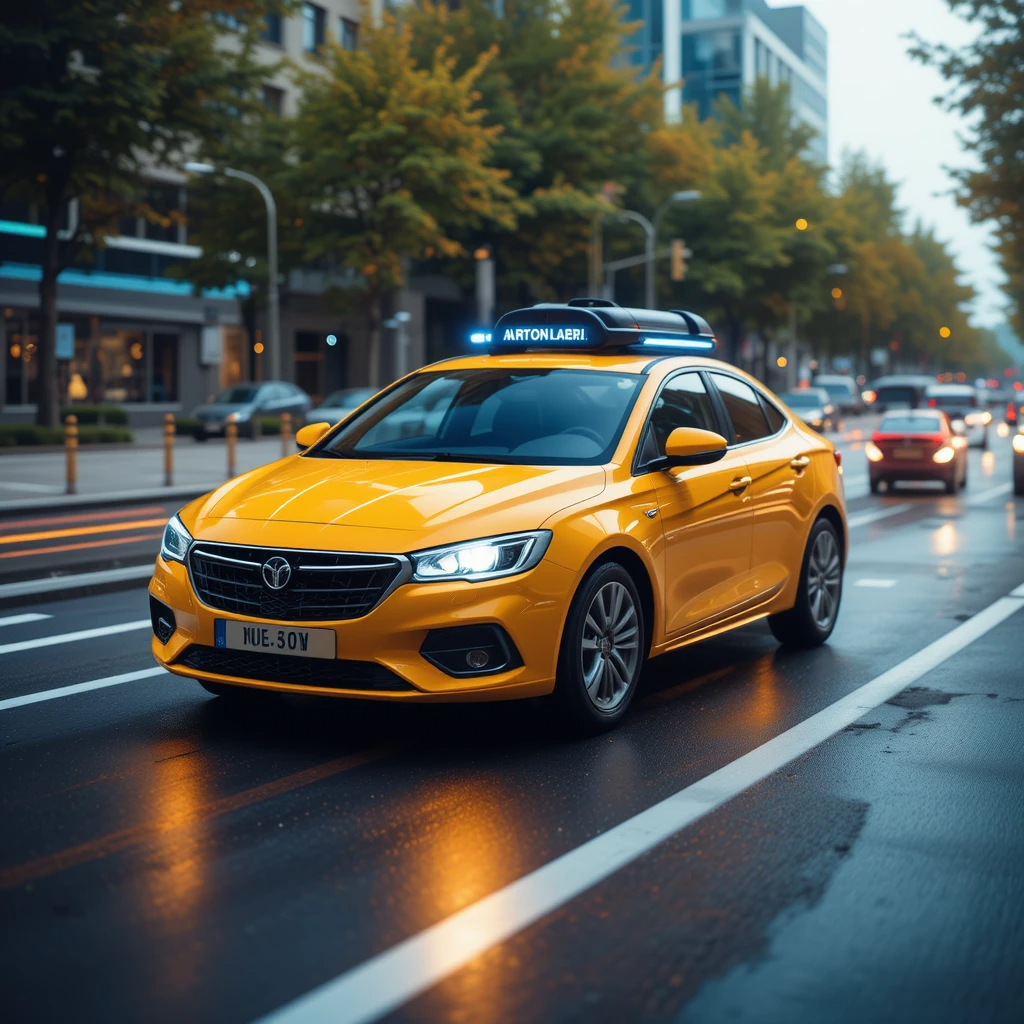
Artificial Intelligence (AI) is transforming the automotive industry at an unprecedented pace. From self-driving capabilities to advanced driver assistance systems (ADAS), AI is revolutionizing how vehicles operate, enhancing safety, efficiency, and user experience. In 2025, AI in cars is not just a futuristic concept but a reality shaping the way we commute. This article explores how AI is powering autonomous vehicles, improving driving safety, optimizing car manufacturing, and paving the way for the future of transportation.
The Role of AI in Cars
AI is the backbone of modern smart vehicles, enabling automation, intelligent decision-making, and predictive analytics. Here’s how AI is integrated into the automotive industry:
- Machine Learning (ML): Helps vehicles learn from past data to improve navigation and decision-making.
- Computer Vision: Allows cars to detect objects, pedestrians, and road signs for better situational awareness.
- Natural Language Processing (NLP): Enables voice assistants and conversational interfaces in cars.
- AI Sensors and Lidar: Provide real-time environmental analysis for safe driving.
Autonomous Vehicles: The Future of Driving
The rise of self-driving cars is one of the most significant innovations in the automotive industry. AI plays a crucial role in autonomous navigation by:
- Processing real-time traffic data to adjust speed and avoid collisions.
- Identifying road conditions, obstacles, and pedestrians using AI-powered cameras and sensors.
- Enhancing self-driving algorithms for decision-making in complex traffic scenarios.
- Adapting to changing environments to ensure safe and efficient journeys.
Levels of Autonomous Driving
- Level 1 & 2: Basic driver assistance with partial automation.
- Level 3: Conditional automation, where AI controls the vehicle under specific conditions.
- Level 4: High automation, where AI can drive without human intervention in controlled environments.
- Level 5: Full automation, where no human driver is required.
While Level 5 autonomy is still under development, AI advancements in 2025 are pushing vehicles closer to complete self-driving capabilities.
AI-Driven Safety Features in Cars
Safety is a top priority in AI-powered cars. AI is making roads safer by:
- Predicting and preventing accidents through real-time data analysis.
- Using Advanced Driver Assistance Systems (ADAS) to enhance human driving.
- Automatically applying emergency brakes when obstacles are detected.
- Monitoring driver behavior to detect fatigue or distractions.
Key AI Safety Features
- Collision Avoidance System: Detects nearby vehicles and obstacles to prevent crashes.
- Lane Departure Warning: Alerts drivers when unintentionally veering out of lanes.
- Adaptive Cruise Control: Maintains a safe following distance by adjusting speed.
- Blind Spot Monitoring: Warns drivers of unseen objects in adjacent lanes.
AI for Enhanced Driving Experience
AI is not just about automation; it also enhances the driving experience through:
- Voice-controlled assistants like Alexa, Google Assistant, and Siri for hands-free commands.
- AI-powered navigation systems that provide real-time traffic updates and alternative routes.
- Personalized driving settings that adapt to individual preferences.
- AI-integrated infotainment systems for seamless music, calls, and messaging.
AI in Car Manufacturing and Maintenance
The automotive industry is leveraging AI to improve efficiency, quality, and cost-effectiveness in manufacturing and maintenance:
- AI-powered robots streamline car production by handling assembly line tasks.
- Predictive maintenance detects potential car issues before they become major problems.
- AI-driven supply chain management optimizes inventory and production schedules.
- Computer vision technology ensures quality control in vehicle manufacturing.
AI and Electric Vehicles (EVs)
AI is playing a crucial role in the growth of electric vehicles (EVs):
- Optimizing battery performance by analyzing energy consumption.
- Enhancing self-driving EVs for increased efficiency and sustainability.
- AI-powered charging networks that predict when and where EVs need charging.
- Grid management solutions that integrate renewable energy for eco-friendly charging.
Challenges and Ethical Concerns of AI in Cars
Despite its advantages, AI in cars comes with challenges and ethical concerns:
- Data Privacy Issues: AI collects vast amounts of user data, raising concerns about security.
- Cybersecurity Threats: AI-powered cars are vulnerable to hacking and cyberattacks.
- AI Bias in Decision-Making: AI must be trained to make unbiased and ethical driving decisions.
- Legal and Regulatory Challenges: Governments are still adapting regulations for autonomous vehicles.
Future Trends of AI in Cars Beyond 2025
The future of AI in cars extends beyond self-driving vehicles:
- AI-powered flying cars are in development for futuristic urban mobility.
- Smart traffic management systems will use AI to reduce congestion and improve efficiency.
- Vehicle-to-Everything (V2X) Communication will enable AI-powered cars to interact with other vehicles and infrastructure.
- Augmented Reality Dashboards will provide real-time driving insights.
Conclusion
AI in cars is revolutionizing the automotive industry by enhancing safety, efficiency, and user experience. As AI-powered vehicles become more intelligent, they will pave the way for a future of fully autonomous driving. However, addressing ethical concerns and regulatory challenges will be essential to ensuring AI’s safe and responsible integration into transportation.
FAQs
Q1: How does AI in cars improve safety?
A1: AI enhances safety through features like collision detection, automated braking, and driver monitoring systems.
Q2: Are fully autonomous cars available in 2025?
A2: While major advancements have been made, full autonomy is still in progress due to regulatory and technical challenges.
Q3: How does AI contribute to electric vehicles (EVs)?
A3: AI optimizes battery usage, charging station management, and enhances EV range predictions for better efficiency.
Q4: What are the risks of AI in cars?
A4: Risks include cybersecurity threats, AI bias, ethical dilemmas, and privacy concerns related to data collection.
Q5: Will AI completely replace human drivers?
A5: AI will assist and enhance driving, but complete human replacement is still a long-term goal with ongoing safety concerns.