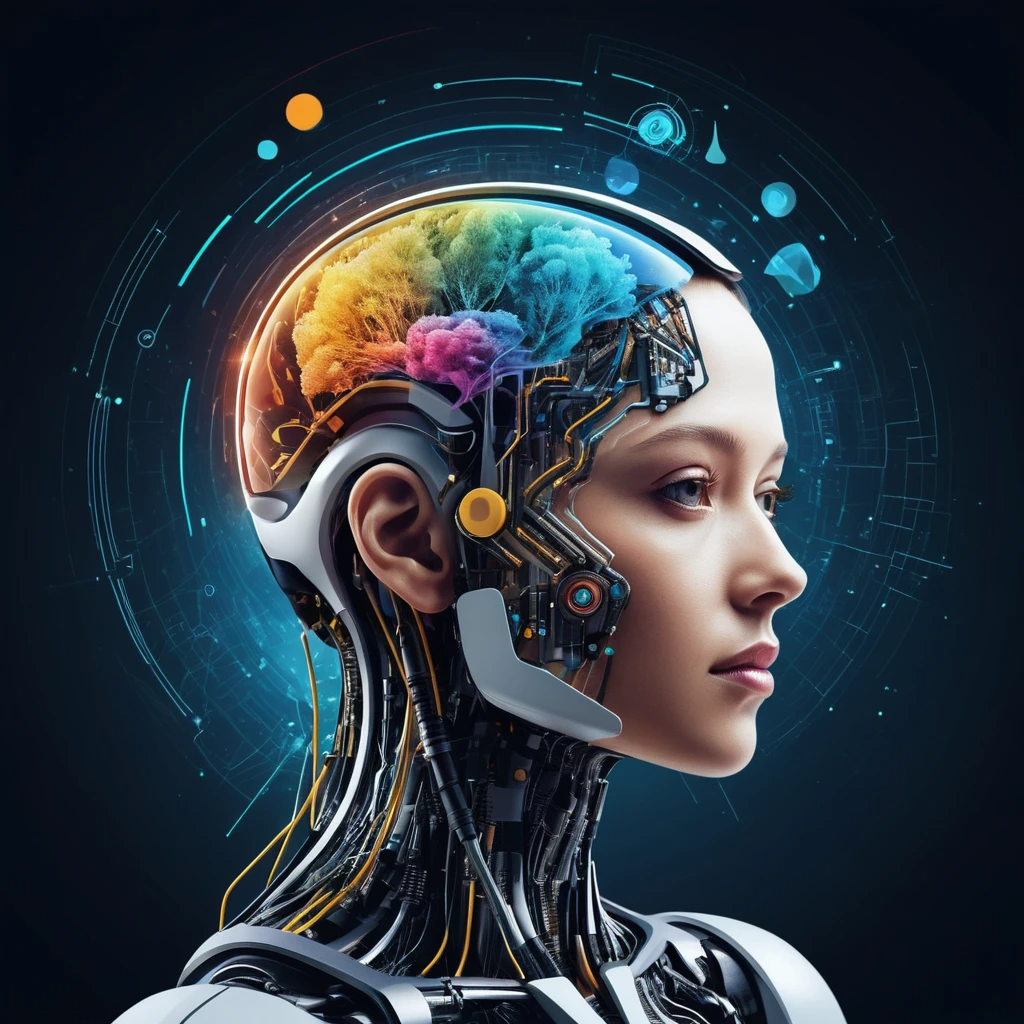
AI in Creativity is transforming various industries, and one of the most significant impacts is in the creative field. From designing stunning visuals to composing music and writing stories, AI is not just assisting creative professionals; it’s revolutionizing the entire creative process. As technology continues to evolve, AI’s ability to enhance creativity, streamline workflows, and push the boundaries of traditional artistic expression is unparalleled. In this blog, we’ll explore how AI is shaping the future of creativity in design and innovation.
The Rise of AI in Creative Industries
The Role of AI in Creative Fields
AI has already started playing a crucial role in a variety of creative sectors, from graphic design to music composition. Tools powered by AI are helping artists, designers, and content creators streamline their workflows, produce innovative works, and make decisions with data-driven insights. For example, AI systems like DALL-E can generate stunning images based on text prompts, while AI music composers like AIVA are revolutionizing how music is composed by using deep learning models to create melodies and symphonies.
AI as a Creative Partner, Not a Replacement
One of the most significant misunderstandings about AI in creativity is the belief that it will replace human creators. However, AI is not here to replace creativity—it’s here to amplify it. Think of AI as a powerful tool or partner that works alongside human creators. While AI can generate ideas, it still requires human input to bring those ideas to life with purpose, emotion, and context. Creators use AI to automate tasks, explore new possibilities, and ultimately unlock their full creative potential.
AI Tools Revolutionizing Design and Innovation
AI-Powered Design Software
One of the most exciting aspects of AI in creativity is how it’s revolutionizing design. AI-powered tools, such as Canva’s AI features or Adobe Sensei, enable designers to create with greater efficiency. These tools provide suggestions for color schemes, typography, and layouts based on design principles, allowing creators to produce stunning visuals without needing to be experts in every aspect of design. Furthermore, AI can analyze the design and suggest improvements, helping designers create more engaging and aesthetically pleasing content.
Automating Repetitive Tasks for Designers
AI in Creativity also helps designers by automating repetitive and time-consuming tasks. For example, tasks like resizing images, removing backgrounds, and adjusting layouts can now be done with AI-driven tools, freeing up valuable time for designers to focus on more complex and creative work. Automation through AI enhances workflow efficiency, allowing designers to create faster, more polished results.
The Impact of AI in Artistic Creation
AI in Visual Arts and Digital Artwork
AI is also making waves in the world of visual arts. Tools like DeepArt and Artbreeder use machine learning algorithms to generate or enhance digital artwork, blending various art styles and creating entirely new visual representations. These AI-powered tools are transforming the way artists approach their craft, offering new ways to experiment with colors, textures, and compositions. With AI, artists can generate endless variations of an artwork, making the creative process more dynamic and exploratory.
AI in Music Composition and Sound Design
The influence of AI in music is just as profound. AI tools like AIVA (Artificial Intelligence Virtual Artist) are making it easier for musicians and composers to create complex pieces of music. AIVA, for example, uses deep learning to understand music theory and compose original music in various genres. Similarly, AI-based sound design tools are helping musicians create soundscapes and effects that would otherwise be too time-consuming or difficult to produce. These innovations are giving musicians new ways to express their creativity and produce music faster than ever before.
Future Trends: The Evolving Role of AI in Creativity
AI and Personalization in Creative Projects
As AI in Creativity advances, we can expect to see even greater levels of personalization in creative works. AI algorithms can now analyze users’ preferences and behaviors to create tailored experiences in design, music, and other forms of art. For example, in the fashion industry, AI can predict trends and create personalized clothing designs for individuals based on their style preferences. In the world of digital art, AI in Creativity can adapt the style of an artwork to match a specific user’s taste, ensuring that each creation is unique and personalized.
The Future of AI-Assisted Creativity
Looking ahead, the future of AI in Creativity looks incredibly promising. With the continued evolution of machine learning and deep learning technologies, AI will only become more adept at generating high-quality, innovative designs and artworks. In the next few years, we could see AI in Creativity playing an even larger role in creative processes, from assisting in ideation to helping creators find new inspiration and perspectives. This shift will likely open up new possibilities in creative industries, allowing for unprecedented levels of innovation.
Conclusion
AI is transforming creativity, making it more accessible, efficient, and personalized. From graphic design to music composition, AI tools are empowering creators to produce innovative works with greater ease and efficiency. Rather than replacing human creators, AI is enhancing their capabilities, unlocking new levels of creativity. As AI technology continues to advance, it will only further shape the future of design and innovation, creating exciting opportunities for creative professionals across industries.
Embracing AI in creativity is not just about keeping up with technological advancements; it’s about harnessing the power of AI to expand creative possibilities. Whether you’re a designer, musician, or artist, the future of creativity is here, and it’s powered by AI.
FAQs
1. What is AI in creativity?
AI in creativity refers to the use of artificial intelligence to enhance or automate creative processes in various industries, including design, music, and art.
2. How is AI used in graphic design?
AI is used in graphic design through tools that assist in tasks like layout suggestions, color schemes, typography, and automating repetitive tasks, helping designers create faster and smarter designs.
3. Can AI replace human creativity?
No, AI complements human creativity. While AI can generate creative outputs, it still requires human input for direction, meaning, and context. AI enhances the creative process rather than replacing it.
4. What are the best AI tools for creative professionals?
Some of the best AI tools for creativity include DALL-E for image generation, Adobe Sensei for design assistance, and AIVA for music composition.
5. How does AI enhance personalized design and art?
AI can analyze user preferences and create personalized designs or artworks that align with individual tastes, offering a more customized and unique creative experience.