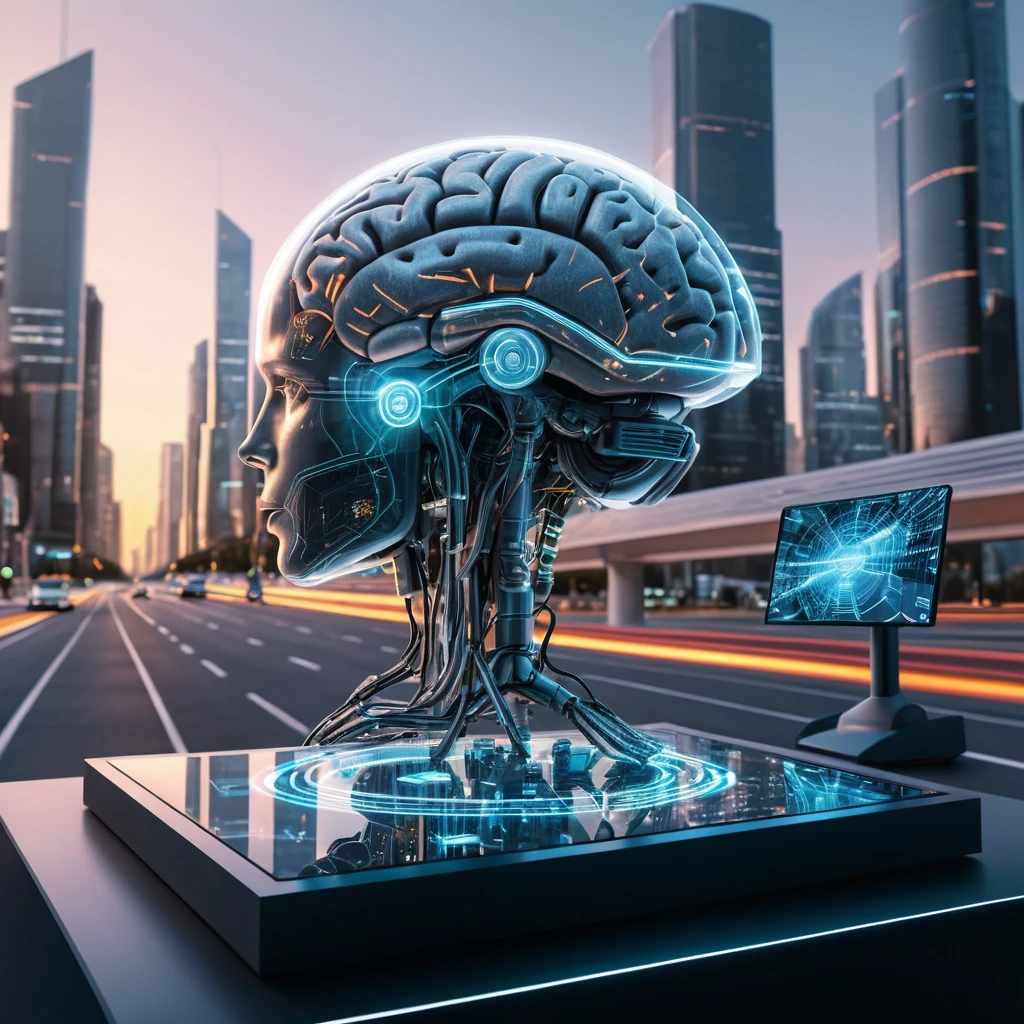
Artificial Intelligence (AI) technologies are transforming industries, redefining human-machine interaction, and shaping the future of innovation. From machine learning to natural language processing and robotics, AI has revolutionized how businesses operate and how people engage with technology.
In this blog, we will explore the evolution of AI, key AI technologies, their impact on industries, and the challenges and future trends that will shape AI’s next phase.
The Evolution of AI Technologies
AI has come a long way from simple rule-based systems to complex machine learning models that can analyze data, recognize patterns, and make decisions.
- Early AI (1950s-1980s): The foundation of AI was built with symbolic AI and expert systems that followed pre-defined rules.
- Machine Learning Boom (1990s-2010s): AI advanced significantly with statistical models, neural networks, and data-driven learning.
- Deep Learning Revolution (2010s-Present): AI models now process vast amounts of data, enabling automation, prediction, and real-time decision-making.
Key AI Technologies Driving Innovation
1. Machine Learning & Deep Learning
Machine learning (ML) is a subset of AI that enables computers to learn from data without explicit programming. Deep learning, a more advanced form of ML, uses artificial neural networks to analyze and process information, leading to breakthroughs in automation, predictive analytics, and AI-driven applications.
📌 Applications:
- AI-powered recommendation systems (e.g., Netflix, Amazon)
- Predictive maintenance in industries
- AI-driven healthcare diagnostics
2. Natural Language Processing (NLP)
NLP enables computers to understand, interpret, and generate human language. AI chatbots, virtual assistants, and content creation tools rely on NLP to interact with users naturally.
📌 Applications:
- AI chatbots and virtual assistants like Siri and Alexa
- Automated content generation
- Sentiment analysis for customer feedback
3. Computer Vision
Computer vision allows AI to interpret and analyze visual data, making it essential for facial recognition, object detection, and medical imaging.
📌 Applications:
- Self-driving cars and autonomous navigation
- AI-powered medical imaging for disease detection
- Security and surveillance systems
4. Robotics & Automation
AI-driven robotics is transforming industries by automating tasks that were previously performed by humans. Robots equipped with AI can perform repetitive and high-precision tasks in manufacturing, healthcare, and logistics.
📌 Applications:
- AI-powered robotic surgery
- Industrial automation and smart warehouses
- AI-driven customer service robots
5. AI in Cybersecurity
AI is playing a crucial role in cybersecurity by detecting threats, preventing fraud, and securing digital assets. AI-driven cybersecurity tools analyze vast datasets to identify malicious activities in real time.
📌 Applications:
- AI-powered threat detection and risk management
- Fraud detection in banking and e-commerce
- Cyber defense for protecting sensitive data
The Role of AI in Different Industries
Healthcare
AI assists in disease diagnosis, personalized treatment plans, and drug discovery, making healthcare more efficient and accurate.
Example: AI-based imaging tools detect early signs of cancer with high accuracy.
Finance
AI enhances fraud detection, algorithmic trading, and financial risk management.
Example: AI-powered chatbots handle customer service for banking apps.
Retail & E-commerce
AI-powered recommendation engines, virtual shopping assistants, and smart inventory management improve customer experiences.
Example: Amazon’s AI-driven product recommendations increase conversions.
Education
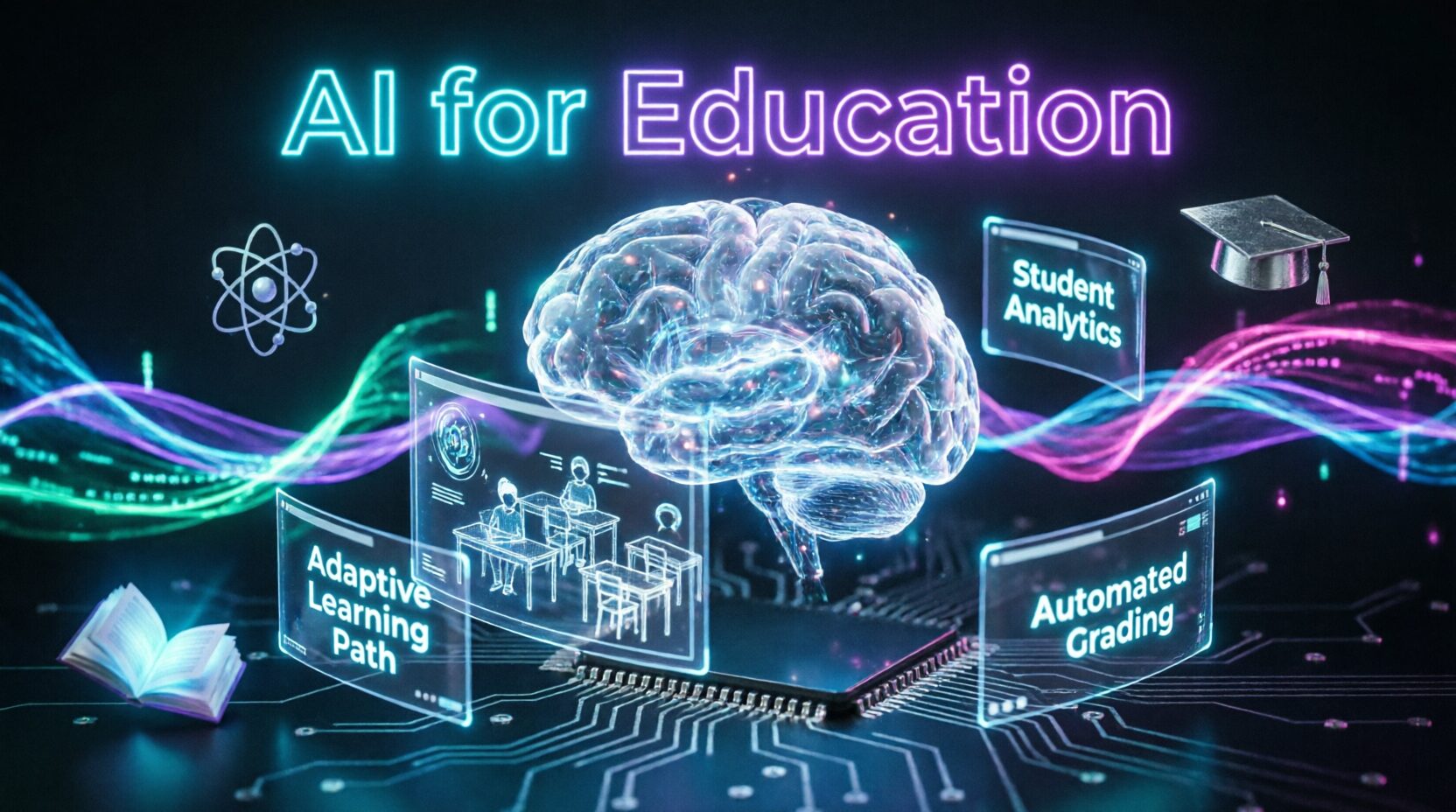
AI-driven learning platforms provide personalized tutoring, adaptive learning, and automated grading.
Example: AI-powered chatbots assist students with queries.
Transportation
AI optimizes traffic flow, supports autonomous driving, and enhances route planning.
Example: Self-driving vehicles powered by AI are transforming logistics and delivery services.
Ethical & Societal Challenges of AI Technologies
Despite its benefits, AI poses ethical and societal challenges:
- Job displacement: Automation may replace human jobs in various industries.
- Bias in AI: AI systems may reflect and amplify biases present in training data.
- Data privacy concerns: AI relies on vast amounts of data, raising privacy and security concerns.
- Regulation and ethics: Governments and organizations need policies to ensure responsible AI development.
Future Trends in AI Technologies
AI continues to evolve, with new trends shaping its future:
- AI-human collaboration: AI will enhance human capabilities rather than replace them.
- Generative AI: AI-driven creativity in art, music, and content creation.
- AI in the Metaverse: AI-powered virtual worlds and immersive experiences.
- Quantum AI: Quantum computing will revolutionize AI problem-solving capabilities.
Conclusion
AI technologies are reshaping industries and redefining innovation. As AI continues to evolve, its impact on businesses and society will only grow. By leveraging AI responsibly, we can unlock new opportunities while addressing ethical concerns.
Stay updated on AI trends and explore how AI technologies can transform your business!
FAQs
1. What are AI technologies?
AI technologies refer to intelligent systems that process data, learn patterns, and automate tasks, including machine learning, NLP, and robotics.
2. How is AI impacting different industries?
AI enhances industries like healthcare, finance, retail, and transportation by improving efficiency, automation, and decision-making.
3. What are the ethical concerns of AI?
Bias in AI, job displacement, and data privacy concerns are major ethical challenges in AI development.
4. What is the future of AI technologies?
The future of AI includes AI-human collaboration, generative AI, and the integration of AI in the Metaverse and quantum computing.