In the ever-evolving world of technology, artificial intelligence (AI) is changing the way we interact, communicate, and generate content. Among the AI technologies making a significant impact is GPT AI, or Generative Pre-trained Transformer AI. Developed by OpenAI, this powerful model is revolutionizing the fields of text generation and communication. In this blog, we’ll dive deep into how GPT AI is transforming industries, making communication more efficient, and opening new possibilities for content creation.
1. What is GPT AI?
At its core, GPT AI is an advanced AI model designed to generate human-like text based on given inputs. It utilizes Natural Language Processing (NLP) to understand the intricacies of language, including context, tone, grammar, and structure. GPT AI was developed by OpenAI and has undergone several iterations, with each version becoming more powerful and versatile.
Unlike traditional models that rely on rigid rules or limited data, GPT AI uses deep learning and vast datasets to generate highly coherent and contextually relevant text. The “pre-training” aspect refers to its ability to learn from extensive text corpora before fine-tuning on specific tasks. This enables GPT AI to handle a wide variety of text-based applications, ranging from simple chatbot responses to complex content generation.
2. How GPT AI is Revolutionizing Text Generation
Understanding Natural Language:
GPT AI excels at understanding natural language better than traditional models. It can grasp nuances such as idiomatic expressions, metaphors, and different writing styles. This allows it to produce text that closely mimics human speech patterns, making it a valuable tool for generating creative and engaging content.
Text Generation Capabilities:
GPT AI is not just about regurgitating information—it can generate original text. Whether it’s writing blog posts, product descriptions, emails, or stories, GPT AI can generate text that is coherent, informative, and creative. This text-generation ability is particularly beneficial for businesses looking to scale their content production without sacrificing quality.
Applications in Content Creation:
From crafting SEO-optimized blog posts to drafting social media captions, GPT AI is revolutionizing the world of content creation. It can assist marketers, writers, and business owners by generating engaging content that attracts and retains customers. It’s also capable of adapting to various writing styles, ensuring that the generated content aligns with a brand’s voice and tone.
Personalization and Efficiency:
GPT AI also enables a high degree of personalization. It can analyze user inputs and generate responses that are tailored to specific audiences. This means businesses can use GPT AI to create highly personalized emails, chat responses, and content at scale—drastically improving efficiency without losing that personal touch.
3. Transforming Communication with GPT AI
Customer Support Automation:
In the realm of customer service, GPT AI-powered chatbots are taking center stage. These AI-driven bots can handle routine inquiries, troubleshoot common problems, and even guide customers through more complex issues. By providing quick, accurate, and conversational responses, GPT AI enhances the overall customer experience and reduces the workload on human agents.
Email Automation:
Another area where GPT AI shines is email automation. It can generate well-crafted, personalized emails for marketing campaigns, follow-ups, or customer service responses. Marketers no longer have to spend hours manually drafting emails; instead, GPT AI can handle the bulk of the work, freeing up time for other strategic tasks.
Language Translation and Accessibility:
GPT AI is helping to break language barriers by offering highly accurate translations. Unlike older translation models, GPT AI can understand context and cultural nuances, leading to more natural translations. This is not only beneficial for global communication but also for making content accessible to a wider, more diverse audience.
4. Key Benefits of GPT AI in Text Generation and Communication
Time and Cost Efficiency:
One of the most significant advantages of GPT AI is its ability to save both time and money. Automating content creation, customer support, and communication tasks allows businesses to operate more efficiently. With GPT AI handling routine tasks, employees can focus on more strategic, creative, or complex work.
Scalability:
Whether you need to generate one email or one hundred product descriptions, GPT AI can scale effortlessly. This scalability makes it ideal for businesses that need to manage large volumes of communication or content creation, such as e-commerce platforms, digital marketing agencies, or news outlets.
Consistency in Messaging:
Maintaining a consistent brand voice is crucial for any business, and GPT AI helps achieve that by generating content that adheres to specific guidelines, tone, and style. Whether it’s a chatbot conversation or a long-form blog post, GPT AI ensures that the messaging remains on-brand across all platforms.
Accuracy and Relevance:
By analyzing vast datasets, GPT AI can generate data-driven, accurate, and relevant content. It understands context better than previous AI models, which helps reduce errors and irrelevant information. As a result, GPT-AI is a valuable tool for industries that rely on precise communication, such as healthcare, legal, or financial services.
5. Real-World Use Cases of GPT AI
Marketing and Advertising:
Companies use GPT-AI to generate compelling ad copy, social media posts, and blog articles. Its ability to produce high-quality, SEO-friendly content allows businesses to stay competitive in the fast-paced world of digital marketing.
Education and E-Learning:
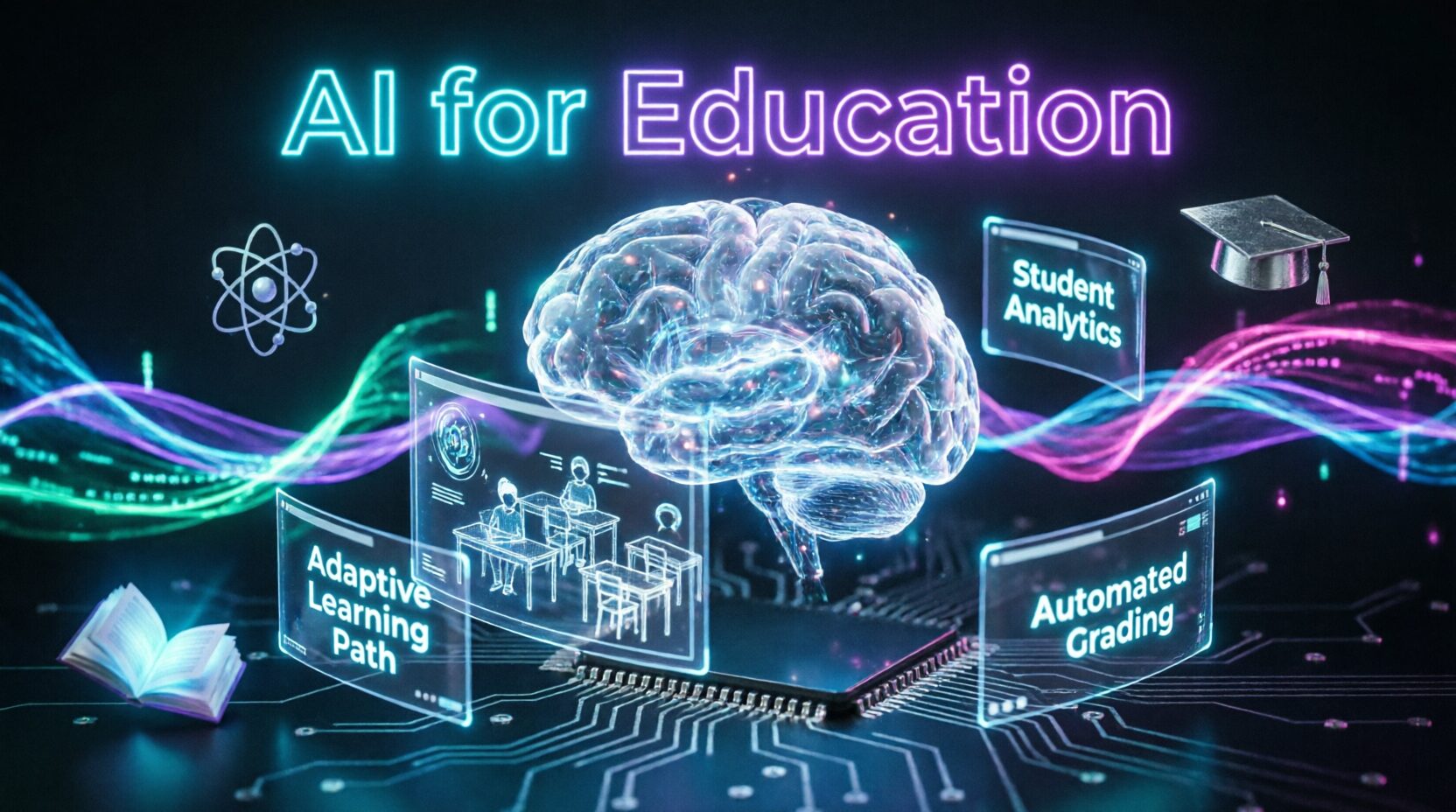
In education, GPT-AI is assisting in creating personalized learning experiences. From drafting lesson plans to generating content for e-learning platforms, GPT-AI helps educators deliver better resources for students.
Healthcare:
GPT-AI is being used in healthcare to draft patient reports, assist in medical research, and even communicate with patients through automated systems. This helps healthcare providers offer timely, accurate, and efficient services.
Tech Industry:
In the tech industry, GPT-AI is helping developers write and debug code, generate documentation, and even create tutorials for software users. This enhances productivity and ensures that tech professionals can focus on innovation.
6. Challenges and Ethical Considerations
Potential Misuse:
While GPT-AI is incredibly powerful, there are concerns regarding its potential misuse. AI-generated content could be used to create misinformation, deepfakes, or spam, leading to ethical dilemmas. Therefore, it’s crucial to implement safeguards to prevent the spread of harmful content.
Bias in AI:
Another significant challenge is the potential for bias in AI-generated content. Since GPT-AI learns from the data it’s trained on, it can inadvertently generate biased or discriminatory content. It’s essential to monitor and fine-tune the AI to minimize this risk.
Ensuring Human Oversight:
Although GPT-AI can handle many tasks autonomously, human oversight is still necessary. Content generated by AI should always be reviewed to ensure its accuracy, relevance, and ethical compliance.
Conclusion:
GPT-AI is truly revolutionizing the world of text generation and communication. From automating customer support to creating personalized content at scale, its applications are vast and transformative. By leveraging the power of GPT AI, businesses can save time, reduce costs, and deliver consistent, high-quality communication across platforms. As the technology continues to evolve, GPT-AI will undoubtedly play an even more significant role in shaping the future of content creation and communication.
FAQs:
1. What is GPT-AI and how does it work?
GPT-AI is a generative language model developed by OpenAI that uses deep learning and transformer architecture to understand and generate human-like text. It processes large amounts of text data to learn patterns and context, enabling it to generate coherent and contextually relevant responses.
2. How is GPT-AI used in communication?
GPT-AI is used to improve and automate communication, especially in customer service (via chatbots), email automation, and language translation. It helps businesses engage with customers efficiently and maintain consistent messaging.
3. What industries benefit most from GPT AI?
Industries like marketing, healthcare, education, and technology benefit from GPT-AI. It helps with content generation, automating customer inquiries, drafting reports, tutoring students, and assisting with software development.
4. Can GPT AI replace human writers?
While GPT-AI can generate high-quality text, it is more of a tool to assist writers rather than replace them. Human creativity, oversight, and subject expertise are still critical for producing nuanced, original, and ethical content.
5. What are the risks of using GPT-AI?
Risks include the potential spread of misinformation, biased content, and over-reliance on AI-generated material. Ethical use of GPT-AI requires balancing automation with human judgment and proper content review processes.