Autonomous Systems are transforming industries by enabling machines to operate independently with minimal human intervention. Artificial Intelligence (AI)-powered autonomous systems are revolutionizing sectors like transportation, healthcare, manufacturing, and defense by improving efficiency, safety, and decision-making.
This article explores AI-powered autonomous systems, their applications, benefits, challenges, and the future of this cutting-edge technology.
What Are AI-Powered Autonomous Systems?
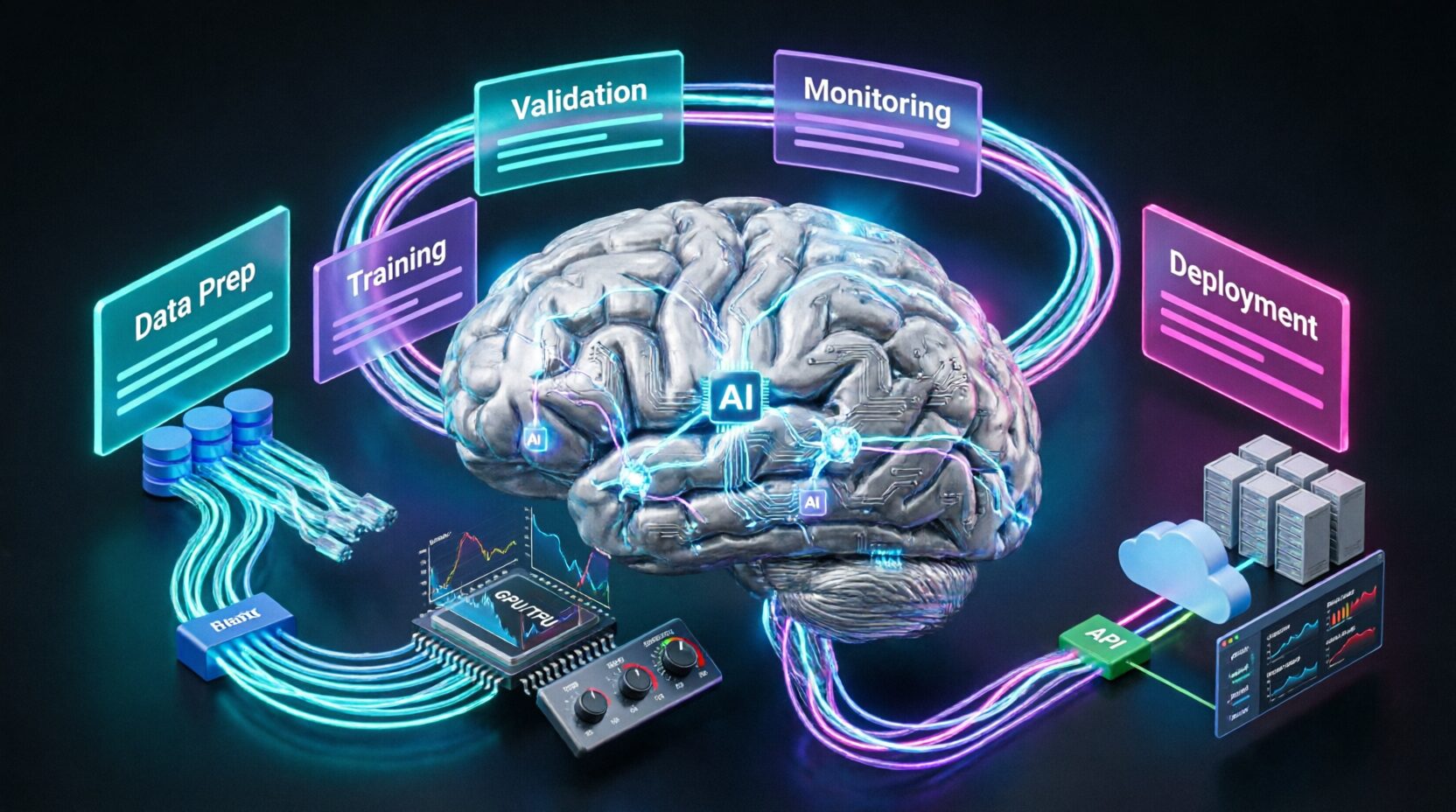
AI-powered autonomous systems are machines or software that perform tasks independently using artificial intelligence, machine learning (ML), and deep learning. These systems analyze data, learn from experiences, and make real-time decisions without human control.
Key Components of AI-Powered Autonomous Systems:
- Machine Learning & Deep Learning: Improve system performance through data analysis.
- Computer Vision: Enables machines to recognize objects and environments.
- Natural Language Processing (NLP): Helps systems understand and respond to human communication.
- Robotics & Automation: Integrates AI into physical machines for autonomous functions.
Applications of AI-Powered Autonomous Systems
1. Autonomous Vehicles
- Self-driving cars use AI for navigation, object detection, and collision avoidance.
- Companies like Tesla, Waymo, and Uber lead autonomous vehicle innovations.
- AI-powered drones enhance delivery services, aerial mapping, and surveillance.
2. Smart Manufacturing
- AI-driven robotic automation improves assembly line production and quality control.
- Automated warehouses use AI for inventory tracking and logistics.
3. Healthcare & Medical Robotics
- AI-assisted robotic surgeons enhance precision in surgeries.
- Autonomous diagnostic systems analyze medical imaging and detect diseases.
- AI chatbots and virtual assistants support remote healthcare solutions.
4. Defense & Security
- AI-powered autonomous military drones perform reconnaissance and surveillance.
- Threat detection systems use AI for real-time security risk assessment.
- AI-driven robots assist in hazardous bomb disposal missions.
5. Agriculture & Smart Farming
- AI-powered drones monitor crop health and optimize irrigation.
- Autonomous tractors enhance precision farming and harvesting.
- AI analyzes soil conditions to maximize agricultural productivity.
6. Smart Cities & Infrastructure
- AI-powered traffic systems manage congestion and urban planning.
- Autonomous waste collection and street-cleaning robots improve city maintenance.
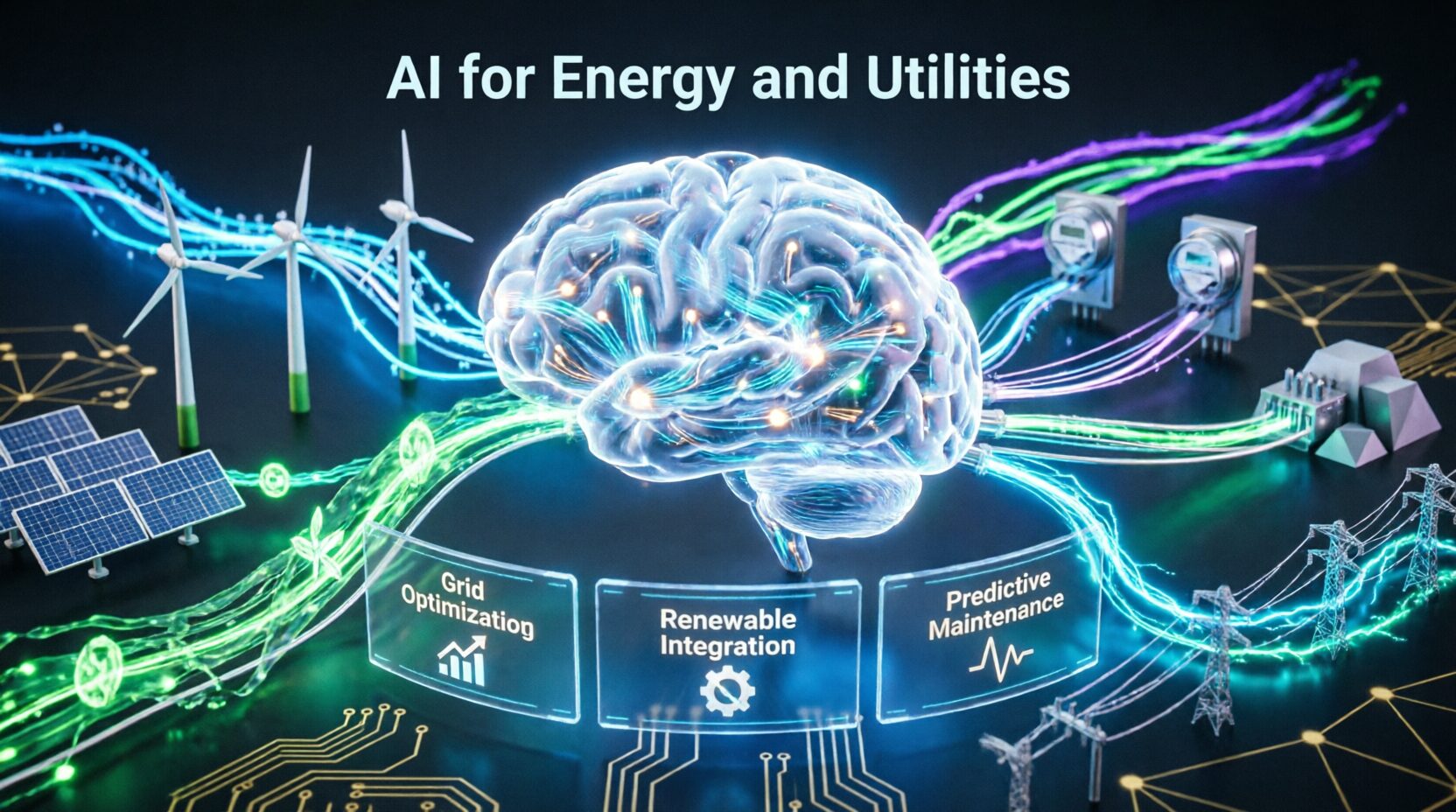
- AI-driven energy management systems optimize power consumption.
7. Space Exploration
- AI-powered rovers like NASA’s Perseverance operate autonomously on Mars.
- Autonomous spacecraft use AI for deep-space navigation and data analysis.
Benefits of AI-Powered Autonomous Systems
✅ Increased Efficiency: Automates repetitive tasks, reducing human workload.
✅ Enhanced Safety: Minimizes risks in hazardous environments like mining or space exploration.
✅ Cost Reduction: Lowers labor costs and improves resource management.
✅ Faster Decision-Making: AI processes data in real time for instant responses.
✅ Improved Accuracy: Reduces human error in surgery, logistics, and manufacturing.
Challenges of AI-Powered Autonomous Systems
❌ Ethical & Legal Concerns
- Autonomous weapons and self-driving cars raise moral and liability issues.
❌ Data Privacy & Cybersecurity Risks
- AI systems require massive datasets, leading to potential privacy breaches.
- Cyberattacks can manipulate autonomous decision-making systems.
❌ AI Bias & Fairness Issues
- AI models trained on biased data can result in unfair decisions.
- Ensuring ethical AI governance is crucial.
❌ High Development Costs
- Advanced AI and robotics require substantial investment.
- Small businesses struggle to adopt AI-powered automation.
❌ Dependence on Connectivity & Sensors
- Real-time AI decision-making relies on stable internet and sensor accuracy.
Future of AI-Powered Autonomous Systems
🔹 Improved Human-AI Collaboration: AI will assist, not replace, human workers.
🔹 Stronger AI Regulations & Ethical Standards: Governments will set stricter AI policies.
🔹 Greater AI Integration in Daily Life: Smart homes, workplaces, and transport will rely on AI.
🔹 Quantum AI for Faster Processing: Quantum computing will enhance AI-driven autonomy.
🔹 Self-Repairing & Adaptive AI Systems: Machines will learn to self-repair and adapt dynamically.
Conclusion
AI-powered autonomous systems are reshaping industries by automating complex tasks, improving safety, and optimizing efficiency. Despite challenges in ethics, security, and cost, advancements in artificial intelligence will drive innovation and enhance human-machine interactions in the future.
FAQs
1. What are AI-powered autonomous systems?
Autonomous systems are AI-driven machines capable of performing tasks independently using machine learning and automation.
2. How do autonomous vehicles work?
Self-driving cars use AI algorithms, cameras, and sensors to detect surroundings and navigate roads safely.
3. What industries benefit the most from AI-powered automation?
Industries such as healthcare, manufacturing, transportation, defense, agriculture, and space exploration benefit significantly.
4. What are the risks of autonomous systems?
Risks include data privacy issues, AI bias, security threats, ethical concerns, and high development costs.
5. Will autonomous systems replace human jobs?
AI will automate repetitive tasks but is expected to augment human roles rather than replace them.