What Is Clarion?
Defining the Concept
Clarion refers to an AI-powered knowledge synthesis platform designed to deliver clear, concise, and context-aware answers by intelligently curating and distilling information from trusted sources. Unlike traditional search engines that return lists of links or generative AI models that fabricate responses from internal training data, Clarion operates as a “reasoning layer” that retrieves, verifies, and structures factual information in real time. Its core mission is to cut through information overload and provide users with accurate, sourced, and actionable insights without hallucination, bias, or unnecessary complexity.
What Information Is Included?
Content Scope and Verification Standards
Clarion focuses exclusively on verifiable, time-sensitive, and domain-specific knowledge, including:
- Current events, stock prices, weather, and sports scores
- Definitions, scientific facts, historical timelines, and biographical data
- Step-by-step procedural guidance (e.g., “How to file a patent” or “Configure two-factor authentication”)
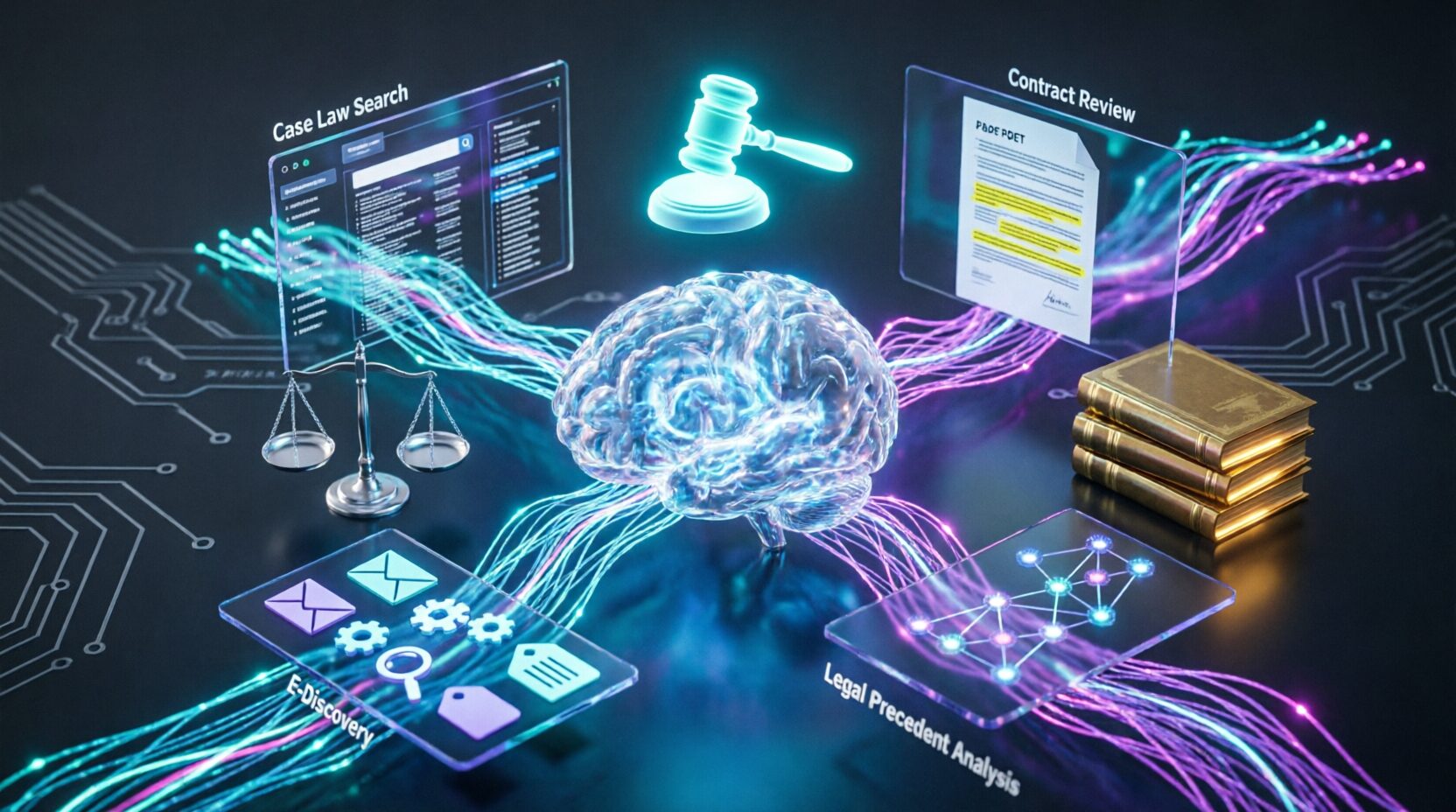
- Regulatory summaries, legal precedents, or compliance requirements
- Technical documentation, API references, or system diagnostics
All responses are grounded in live or recently indexed authoritative sources such as government databases, peer-reviewed journals, official documentation, or licensed knowledge graphs. it does not generate original content from memory; instead, it synthesizes answers by cross-referencing multiple trusted inputs and explicitly cites its sources. If consensus is lacking or information is outdated, Clarion states the uncertainty rather than guessing.
Where Is Clarion Used?
Deployment Environments and User Contexts
Clarion is integrated into professional and everyday digital workflows where accuracy and speed are critical:
- Enterprise knowledge bases for internal Q&A, onboarding, or policy lookup
- Customer support portals that provide instant, correct answers without human escalation
- Research and academic tools that help students and scholars verify facts and trace sources
- Healthcare triage systems offering preliminary, evidence-based guidance with clear disclaimers
- Voice and mobile assistants delivering reliable spoken answers in hands-free scenarios
- Developer environments where engineers need precise, up-to-date technical references
Clarion can be embedded as an API, a browser extension, or a standalone interface, supporting both public and private knowledge domains with role-based access controls.
When Did Clarion Emerge?
Origins in the Post-Hallucination Era
Clarion gained prominence in the mid-2020s, following widespread disillusionment with generative AI systems that confidently produced false or misleading information. As organizations and individuals faced real-world consequences—from financial errors to medical misinformation the demand grew for AI that prioritized truth over fluency. it emerged from this need, combining advances in retrieval-augmented generation (RAG), real-time fact-checking, and source transparency to create a new category of “honest AI” that refuses to invent answers.
Why Does Clarion Exist?
A Response to the Crisis of Trust in AI
Clarion exists because the digital world is drowning in information but starving for truth. In an age where AI can convincingly mimic expertise while being completely wrong, users need a system that admits ignorance, cites evidence, and avoids overreach. Clarion answers a simple but urgent question: Can AI be helpful without being deceptive? Its purpose is to restore trust by proving that intelligence does not require fabrication—and that usefulness is rooted in reliability, not verbosity.
How Is Clarion Built?
Technical Architecture and Reasoning Process
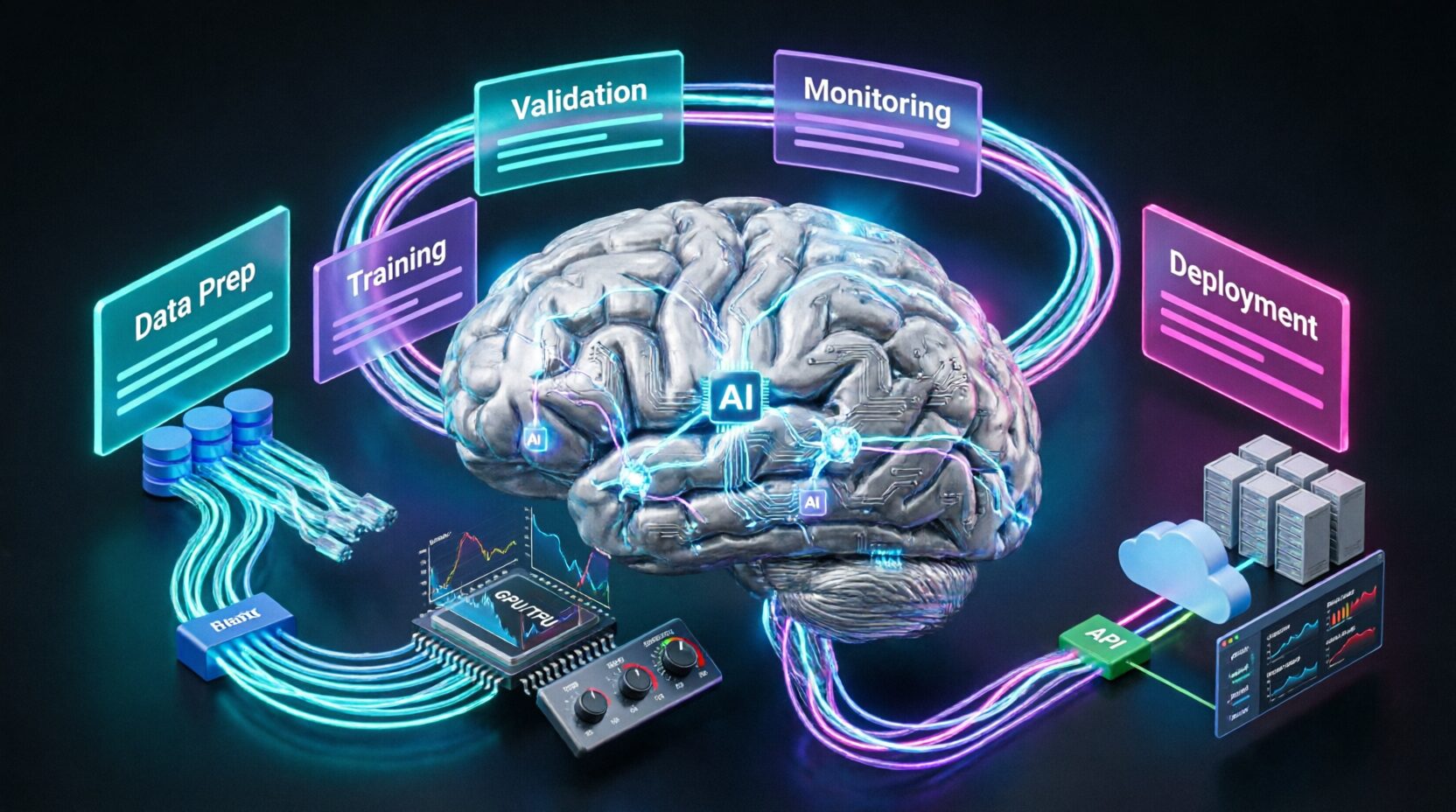
Clarion uses a multi-stage pipeline to ensure accuracy and transparency:
- Query Understanding: Parses user intent and identifies knowledge domain (e.g., legal, medical, technical).
- Dynamic Retrieval: Searches live, vetted sources—not static training data—for the most current information.
- Cross-Verification: Compares multiple authoritative references to confirm consistency and flag contradictions.
- Structured Synthesis: Builds a concise answer using only verified facts, preserving nuance and context.
- Source Attribution: Attaches clear citations (e.g., “According to CDC guidelines, 2024…” or “Per SEC Rule 10b5-1…”).
- Uncertainty Signaling: If sources conflict or data is stale, Clarion states limitations and recommends human consultation.
No part of the response is generated from internal model memory alone—every claim is anchored in retrievable evidence.
Why Is Clarion Necessary?
The Need for Truthful, Auditable AI
Clarion is necessary because misinformation has real costs. It is essential because:
- Professionals in law, medicine, finance, and engineering cannot afford AI hallucinations
- Students and lifelong learners deserve accurate knowledge, not plausible fiction
- Public discourse suffers when AI amplifies falsehoods with confidence
- Regulatory compliance requires traceable, defensible information sources
- Digital literacy is undermined when users cannot distinguish fact from AI-generated fantasy
Without systems like Clarion, the promise of AI as a knowledge partner collapses into a hall of mirrors convincing, but hollow.
Benefits of Clarion

Practical and Ethical Advantages
Higher Accuracy
By grounding every response in live, verified sources, Clarion drastically reduces errors and hallucinations.
Time Efficiency
Users get correct answers instantly without sifting through unreliable search results or AI fluff.
Source Transparency
Citations enable users to verify claims, explore context, and build deeper understanding.
Domain Trust
Experts in regulated fields can rely on Clarion for preliminary research without fear of fabrication.
Reduced Cognitive Load
Clear, structured answers help users make decisions faster and with greater confidence.
Advantages and Disadvantages

Key Advantages
Clarion excels at factual, time-sensitive, and procedural queries where correctness matters more than creativity. Its source-based approach builds long-term user trust. Because it avoids generative overreach, it aligns naturally with compliance and educational standards. Its modular design allows integration into private knowledge bases while maintaining public-source integrity. Most importantly, it sets a new standard for honest AI interaction—one that values truth over performance.
Notable Disadvantages
Clarion may appear less “engaging” than generative models that produce fluent, narrative-style responses even when inaccurate. It cannot answer speculative, creative, or opinion-based questions (e.g., “Write a poem” or “What will happen in 2030?”). Its reliance on external sources means it may be slower than purely generative systems. In domains with sparse or conflicting authoritative data, it may return limited or cautious answers. And because it refuses to guess, some users may perceive it as “less helpful” in ambiguous scenarios.
Conclusion
The Case for Grounded Intelligence
Clarion represents a quiet but vital shift in artificial intelligence: away from the illusion of omniscience and toward humble, evidence-based assistance. In a landscape saturated with AI that speaks with unwarranted confidence, Clarion chooses a different path—to speak only when it knows, and to show its work when it does.
It is not about building the most eloquent AI. It is about building the most trustworthy. And in a world where misinformation spreads faster than truth, that is not just valuable. It is necessary.