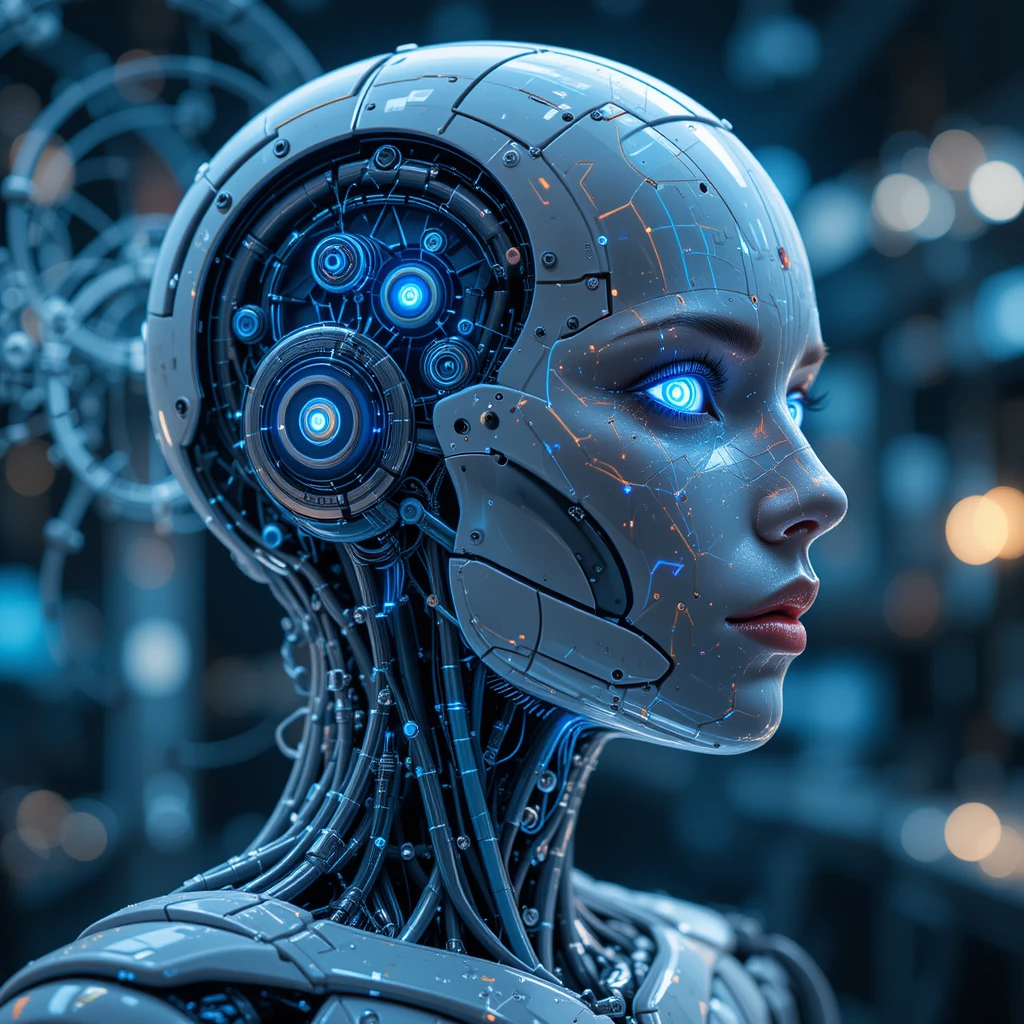
Artificial intelligence (AI) has made remarkable strides in recent years, evolving from a tool for basic tasks to a powerful force capable of revolutionizing industries. By 2025, AI is expected to be even more transformative, reaching new heights in its ability to solve complex problems, enhance productivity, and personalize our daily lives. But with this growth comes a set of challenges, including concerns about ethics, privacy, job displacement, and governance. Let’s explore what the future holds for AI and How Smart Will AI Be in 2025, from its incredible potential to the obstacles we must address.
AI’s Problem-Solving Power
AI’s problem-solving abilities have advanced rapidly, and by 2025, it will tackle even larger, real-world challenges. AI systems like DeepMind’s AlphaFold, which solved the problem of predicting protein structures, are already accelerating drug discovery. By 2025, AI will likely analyze real-time data from climate patterns, medical records, and supply chain logistics to offer solutions for global crises like pandemics and natural disasters. These systems will not just process data but simulate solutions, giving decision-makers actionable insights.
However, ensuring that these AI solutions are unbiased and consider ethical factors is a significant concern. AI is only as effective as the data it is trained on, and flawed or biased data can lead to problematic outcomes. As we advance AI’s problem-solving capabilities, it’s crucial to address these risks to ensure the technology benefits society fairly.
The Rise of Autonomous AI Agents
In workplaces, autonomous AI agents are already transforming how tasks are handled. Tools like OpenAI Codex can interpret natural language and generate code in various programming languages, assisting with tasks ranging from coding to drafting emails. By 2025, these agents will likely take on more complex processes. For example, they could manage marketing campaigns, from identifying target audiences to optimizing ad strategies based on real-time data.
While these advancements offer increased efficiency, they also raise concerns about job displacement and cybersecurity vulnerabilities. AI systems rely on algorithms that can be manipulated or exploited, leading to potential security breaches. Thus, oversight and robust security measures will be necessary as AI continues to integrate into workplaces.
Hyper-Personalization: The Future of User Experience
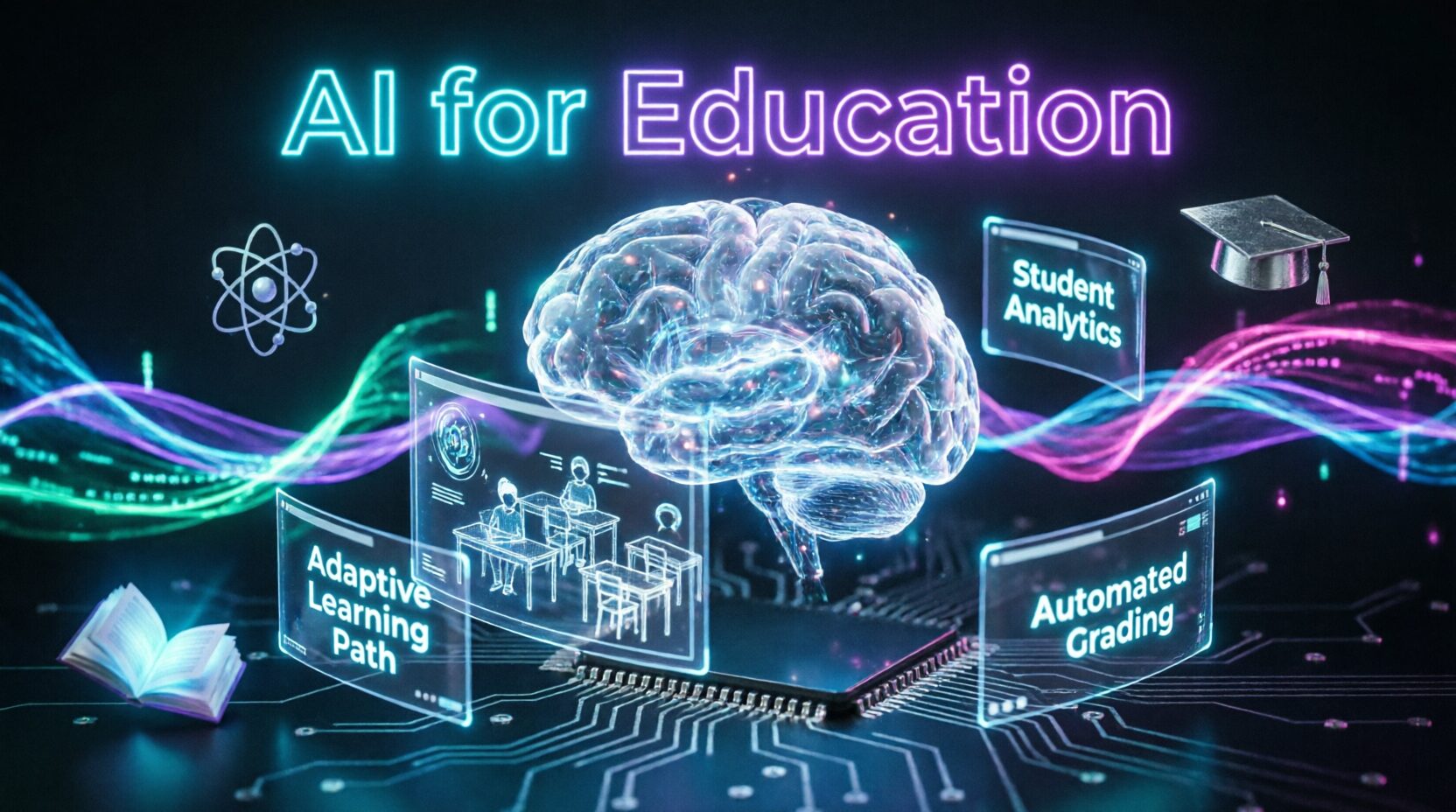
AI’s ability to personalize user experiences is already evident in recommendation systems on platforms like Netflix and Spotify. By 2025, this level of personalization will expand to nearly every aspect of life. In education, AI could adapt lessons to each student’s learning style, providing tailored exercises for those struggling with certain subjects. In healthcare, AI could analyze genetic data to create personalized treatment plans for patients.
While this hyper-personalization is promising, it raises concerns about data privacy. AI requires vast amounts of personal data to deliver these tailored experiences, making data security an ongoing challenge. Companies must ensure that this sensitive information isn’t misused or exposed to breaches, balancing personalization with privacy protection.
AI in the Physical World
AI is also making its way into the physical world, with robots powered by artificial intelligence becoming increasingly common. Companies like Boston Dynamics have already introduced robots for use in warehouses, construction sites, and disaster zones. By 2025, physical AI will transform industries like healthcare, manufacturing, and logistics. For instance, autonomous vehicles could communicate with one another to optimize traffic flow, while robotic assistants in hospitals may help with surgeries or sterilize equipment.
However, these advancements bring challenges. Robots interacting with the physical world must navigate unpredictable environments, which could lead to errors or accidents. There are also concerns about replacing human workers and the ethical implications of widespread automation. As AI-powered robots become more common, ensuring safety and responsible implementation will be key.
AI’s Role in Creative Industries
AI’s capacity to create original works of art, music, and writing is growing. Generative AI tools like DALL-E and ChatGPT have already demonstrated their ability to produce creative content. By 2025, AI could co-create films, video games, and other creative works, blending human imagination with machine precision. However, critics argue that AI-generated creativity lacks the authenticity and emotional depth of human-made art. This raises questions about the value of AI creations and how they should be viewed in creative industries that prize originality and authenticity.
Healthcare and AI: Personalized Medicine and Robotic Surgery
AI is already making waves in healthcare, helping to identify diseases in medical imaging, predict patient outcomes, and assist in treatment planning. By 2025, AI is expected to revolutionize personalized medicine, tailoring treatments based on patients’ genetic makeup and medical history. Wearable devices powered by AI will monitor vital signs and predict health issues before they become critical. In surgeries, robotic assistants guided by AI will perform complex procedures with unmatched precision.
Despite these advances, concerns about data privacy and ethical decision-making persist. AI requires access to sensitive patient data, and ensuring its secure and ethical use will be a challenge. Furthermore, while AI can assist in diagnosis and treatment, it cannot replace the human judgment needed in nuanced medical decisions.
Ethical Challenges: Bias, Surveillance, and Governance
As AI becomes more integral to various sectors, ethical challenges must be addressed. One major issue is bias in AI systems. Since AI models are trained on existing data, they often reflect societal biases. This can lead to unfair outcomes in critical areas like hiring or lending decisions. By 2025, efforts to improve transparency and accountability in AI systems will likely increase, but achieving true fairness remains a significant hurdle.
Another concern is the rise of AI-powered surveillance systems, such as facial recognition, which are becoming more accurate and pervasive. While these technologies can enhance security, they also raise privacy concerns, particularly in authoritarian regimes where they could be used for mass surveillance. To mitigate these risks, governments and organizations are working on ethical frameworks and regulations for AI to ensure it is used responsibly.
The Singularity: Will AI Surpass Human Intelligence?
The idea of AI surpassing human intelligence, known as the Singularity, sparks both excitement and fear. While some experts predict this could happen in the coming decades, by 2025, it’s unlikely that AI will achieve general intelligence on par with humans. Current AI systems excel in specific tasks but lack the versatility of the human brain. However, advancements in deep learning and quantum computing could bring us closer to more adaptive AI systems. This raises philosophical and ethical questions about the alignment of AI with human values and goals.
Conclusion: A Smarter, More Powerful AI by 2025
By 2025, AI will undoubtedly be smarter, faster, and more capable than ever before. It will solve complex problems, revolutionize industries, and bring personalization to every facet of our lives. However, the potential of AI must be balanced with responsibility. Addressing challenges such as bias, privacy, job displacement, and ethical governance will be crucial in ensuring AI serves humanity in a fair and beneficial way. As we move closer to 2025, the evolution of AI will be one of the most defining aspects of our time.