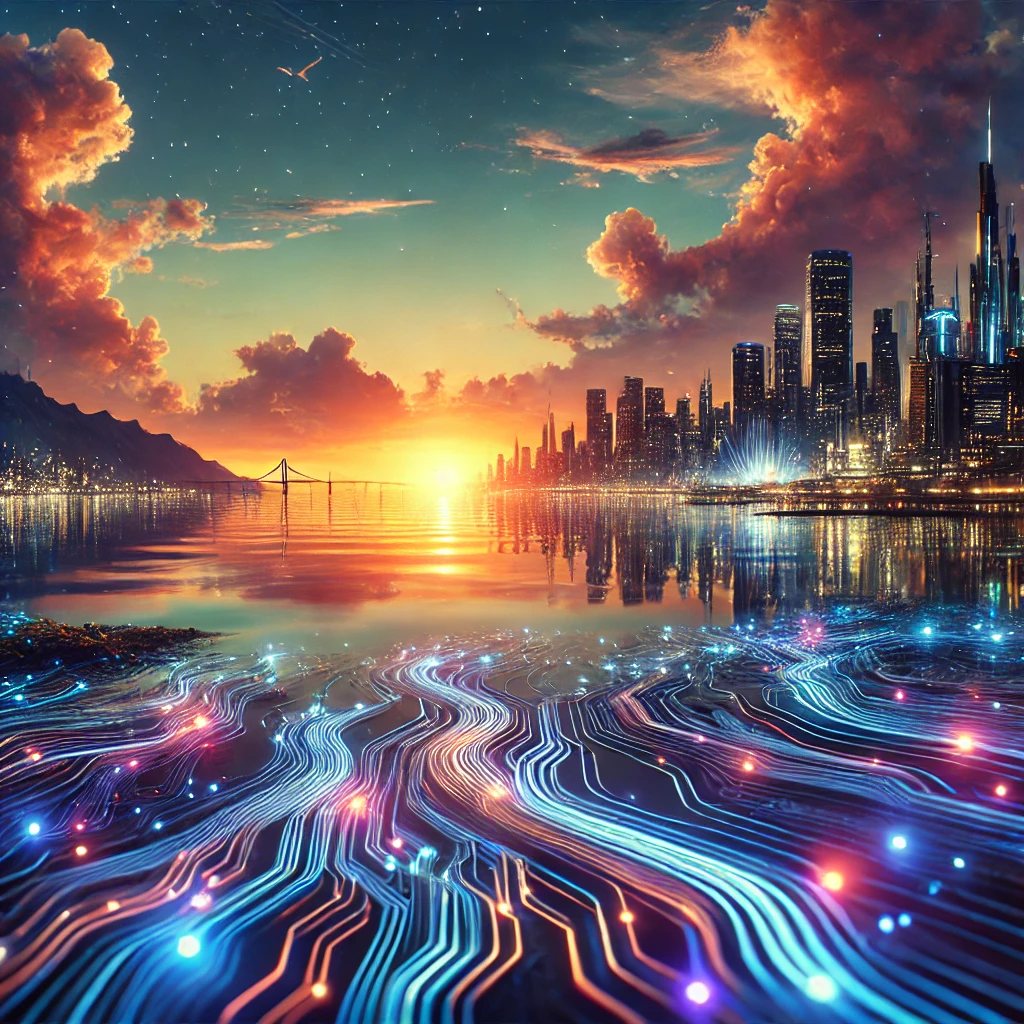
In recent years, the intersection of artificial intelligence (AI) and photography has opened up a whole new world of creative possibilities. With the rapid development of AI technology, we can now create, enhance, and manipulate images in ways that were unimaginable a few decades ago. This blog explores the power of AI photos, the tools used to create them, and how AI-generated photography is revolutionizing industries. Let’s dive into the world of AI-generated photography and discover how it’s transforming visual content creation.
What Are AI Photos?
AI photos refer to images generated or enhanced through the use of AI algorithms. Unlike traditional photography, which involves capturing images through a camera lens, AI-generated photos are often created from scratch using deep learning models. These models, such as Generative Adversarial Networks (GANs), use vast datasets to understand and recreate realistic visuals. As AI systems become more sophisticated, they can produce highly realistic images that can be difficult to distinguish from photos taken by professional photographers.
For instance, tools like DALL-E, MidJourney, and Artbreeder use AI to generate lifelike or surreal images based on user input. These AI systems are trained on a diverse range of image data, allowing them to create anything from hyper-realistic portraits to imaginative landscapes.
The Role of AI in Photography
AI isn’t just about generating new images—it also plays a critical role in enhancing traditional photography. AI-powered tools are now widely used by photographers to automate and simplify complex editing processes. Some of the most popular applications of AI in photography include:
- Smart Retouching: AI can automatically remove blemishes, enhance skin tones, and make subjects look flawless with minimal manual effort.
- Color Correction: AI tools can adjust exposure, brightness, and color balance to bring out the best in every shot.
- Background Removal: AI algorithms can identify and remove backgrounds from images, allowing photographers to place subjects in entirely new contexts without tedious manual work.
Applications like Adobe Sensei and Luminar AI are leading the charge in transforming how photographers edit their images. These tools use AI to speed up the post-processing workflow, making it easier for professionals and hobbyists alike to produce polished, high-quality images in a fraction of the time.
Top AI Tools for Generating Photos
Several cutting-edge tools are driving the revolution of AI-generated photography. Whether you’re a photographer looking to enhance your work or a designer searching for AI-generated visuals, these tools are leading the way:
- DALL-E 2
A revolutionary AI system developed by OpenAI, DALL-E 2 can generate highly detailed and creative images from simple text descriptions. It’s ideal for producing original artwork, illustrations, and unique visual concepts. - Artbreeder
Artbreeder allows users to create realistic images by blending and remixing existing visuals. The platform uses GANs to allow users to adjust parameters such as facial features, colors, and styles to produce unique images. - DeepArt
DeepArt uses AI to transform photographs into artwork inspired by famous artists. Whether you want to give your photo a Van Gogh or Picasso-like touch, DeepArt is the perfect tool for artistic transformations. - Runway ML
This tool is designed for creators looking to explore the boundaries of AI-generated content. Runway ML offers various AI tools, including real-time video editing, image generation, and even generating deepfakes for video production.
Each of these platforms offers a distinct set of features that cater to different creative needs. Whether you’re generating entirely new visuals or enhancing existing photographs, AI tools are enabling creators to push the boundaries of what’s possible in visual art.
Applications of AI Photos
The applications of AI-generated photos extend across various industries, including advertising, marketing, design, and entertainment. Here are a few ways AI photos are being utilized:
- Advertising and Marketing:
Brands are using AI-generated visuals to create unique advertising campaigns that stand out from the competition. AI allows for rapid generation of custom images, ensuring that marketing teams can stay ahead of trends. - Art and Design:
AI-generated visuals are becoming a powerful tool for artists, allowing them to experiment with new styles and techniques. AI-assisted design tools can produce abstract art, digital portraits, and imaginative landscapes. - Virtual Environments and Gaming:
AI photos play a crucial role in creating lifelike virtual environments in gaming and simulations. By using AI to generate realistic landscapes and character models, game developers can create immersive experiences faster than ever before.
Whether for creative projects or practical business solutions, AI photos are finding their place in various sectors, providing businesses and creators with a powerful toolset to innovate and differentiate themselves in an increasingly competitive market.
AI Photos vs Traditional Photography
The rise of AI photos has led to an interesting comparison with traditional photography. While AI-generated images offer speed and flexibility, traditional photography remains rooted in artistic expression, human creativity, and hands-on craftsmanship. Some of the key differences between AI-generated photography and traditional methods include:
- Quality:
AI-generated images can be tailored to specific needs, often mimicking high-quality, professional-grade photography. However, traditional photographers bring a personal touch and artistic intuition to their work that AI lacks. - Speed:
AI tools can generate or edit images in seconds, making them far more efficient for large-scale content production. Traditional photography, while slower, offers a deeper creative process, from composition to post-production. - Cost:
AI-generated photos are often more cost-effective than hiring professional photographers, particularly for large-scale or repetitive image production. However, bespoke, human-driven photography can offer results that AI cannot replicate.
While AI-generated photos are advancing rapidly, traditional photography still holds a place in creative industries, especially where personal artistry and human experience are essential.
The Impact of AI Photos on Creativity
Far from replacing human creativity, AI photos are enhancing it. By automating repetitive tasks and providing endless possibilities for experimentation, AI tools free up time for creators to focus on their most imaginative work. Collaborations between AI and human creativity have led to notable projects, including AI-generated art exhibits, virtual photography competitions, and experimental design installations.
AI has transformed the creative landscape by providing artists, photographers, and designers with new ways to express their ideas and push the boundaries of visual storytelling. The future of AI photos will likely see more collaborative efforts between machines and humans, leading to even more groundbreaking work.
Conclusion
The world of AI-generated photography is growing at a rapid pace, offering new tools, creative possibilities, and applications across industries. Whether you’re a professional photographer, a marketer, or an artist, exploring AI photos can open up new avenues for creativity and innovation. As AI continues to evolve, the line between AI-generated and traditional photography may blur, but one thing is certain—AI photos are here to stay.
FAQs:
Q1: What are AI photos?
AI photos are images created or enhanced using artificial intelligence algorithms. These can be generated from scratch or edited using AI tools to improve their quality and aesthetics.
Q2: How are AI photos generated?
AI photos are typically generated using machine learning models, such as GANs, that are trained on large datasets of images. These models learn to recreate realistic visuals based on the input they receive.
Q3: What AI tools are used for photography?
Popular AI tools for photography include DALL-E, Artbreeder, and Runway ML. These platforms allow users to generate, edit, and enhance images using AI algorithms.
Q4: Can AI photos replace traditional photography?
AI photos offer faster and more efficient image generation, but they cannot fully replace the artistry and creativity of traditional photography. Both AI and traditional photography have their unique strengths.
Q5: Are AI photos suitable for commercial use?
Yes, AI-generated photos are increasingly being used in commercial applications such as advertising, marketing, and design. However, businesses should be aware of the ethical and legal considerations surrounding AI-generated content.