
What Is Automation Anywhere?
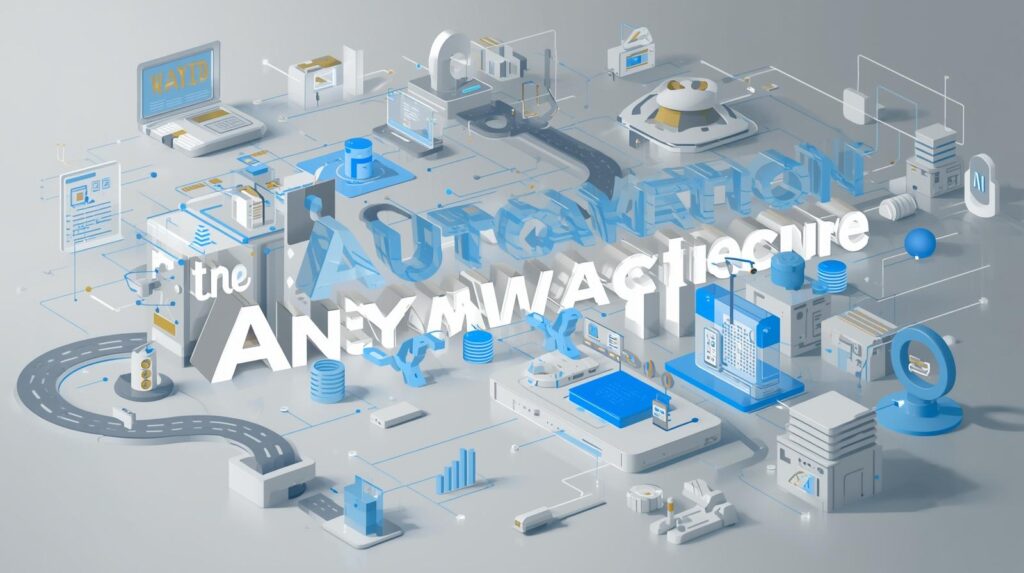
Defining the Concept

Automation Anywhere refers to an enterprise-grade intelligent automation platform that combines robotic process automation (RPA), artificial intelligence, and cloud-native infrastructure to automate complex, end-to-end business processes at scale. Unlike simple macro recorders or task-specific bots, Automation Anywhere enables organizations to deploy software “robots” that mimic human actions logging into systems, extracting data, filling forms, processing transactions, and making decisions while integrating with AI services for document understanding, sentiment analysis, and predictive insights. Designed for large enterprises, it provides centralized governance, security, and analytics to manage thousands of bots across global operations, transforming repetitive, rule-based work into efficient, auditable, and scalable digital workflows.
What Information Is Included?
Data Handling and Integration Scope
Automation Anywhere processes structured and unstructured data from a wide range of enterprise systems, including:
- ERP and CRM platforms (e.g., SAP, Oracle, Salesforce)
- Email, PDFs, invoices, contracts, and scanned documents via AI-powered document processing
- Legacy mainframe or desktop applications through UI-level automation
- Web portals, databases, and APIs for real-time data exchange
- Chat and voice interactions via integration with conversational AI
All data is handled within the organization’s security perimeter. Automation Anywhere does not store or transmit sensitive data to external servers unless explicitly configured for cloud deployments with encryption and compliance controls. Bots operate under strict role-based access policies, and every action is logged for auditability. Personal or confidential data is masked or redacted in accordance with enterprise data governance rules.
Where Is Automation Anywhere Used?
Enterprise Applications Across Industries
Automation Anywhere is deployed in mission-critical functions where accuracy, compliance, and scalability are paramount:
- Finance and accounting: Automating invoice processing, reconciliations, month-end close, and regulatory reporting
- Human resources: Onboarding new hires, managing payroll, processing benefits, and handling employee requests
- Customer service: Extracting case details from emails, updating support tickets, and routing inquiries
- Supply chain and logistics: Tracking shipments, managing inventory, and processing purchase orders
- Healthcare administration: Processing claims, verifying eligibility, and managing patient records (in HIPAA-compliant environments)
- IT operations: User provisioning, system monitoring, patch deployment, and incident response
It supports on-premise, private cloud, public cloud (AWS, Azure, GCP), and hybrid deployments, serving global enterprises across banking, insurance, manufacturing, telecom, and government sectors.
When Did Automation Anywhere Emerge?
Evolution from RPA Pioneer to AI-Driven Platform
Founded in 2003, Automation Anywhere was among the first companies to commercialize robotic process automation. It gained widespread adoption in the 2010s as businesses sought to digitize back-office operations. The platform evolved significantly in the early-to-mid 2020s with the integration of AI, cloud architecture, and low-code development tools rebranding its flagship offering as Automation 360. This shift marked a transition from task automation to intelligent process automation, where bots could understand documents, interpret emails, and make context-aware decisions ushering in the era of enterprise agentic workflows.
Why Does Automation Anywhere Exist?
Solving the Scale and Complexity of Enterprise Work
Automation Anywhere exists because large organizations are burdened by millions of repetitive, manual processes that are costly, error-prone, and difficult to scale. While consumer AI tools offer convenience, they lack the security, governance, and integration depth required in regulated environments. Automation Anywhere answers a critical enterprise need: How can we automate not just tasks, but entire business processes—safely, reliably, and at global scale? Its purpose is to turn automation from a tactical tool into a strategic capability that drives efficiency, compliance, and digital transformation.
How Is Automation Anywhere Built?
Architecture and Core Capabilities
Automation Anywhere’s platform—Automation 360—is built on a unified, cloud-native architecture with four key layers:
- Bot Creator: A low-code development studio for building bots using drag-and-drop workflows, scripting, or AI-assisted design
- Bot Runner: Executes automations on virtual machines, desktops, or cloud instances with secure credential management
- Control Room: A centralized dashboard for deploying, monitoring, scheduling, and auditing bots across the enterprise
- IQ Bot and AI Sense: AI engines for document understanding (IQ Bot) and contextual decision-making (AI Sense), trained on industry-specific data
The platform supports attended (human-triggered) and unattended (scheduled) bots, integrates with leading AI/ML services, and enforces enterprise security standards including SSO, MFA, encryption, and SOC 2 compliance.
Why Is Automation Anywhere Necessary?
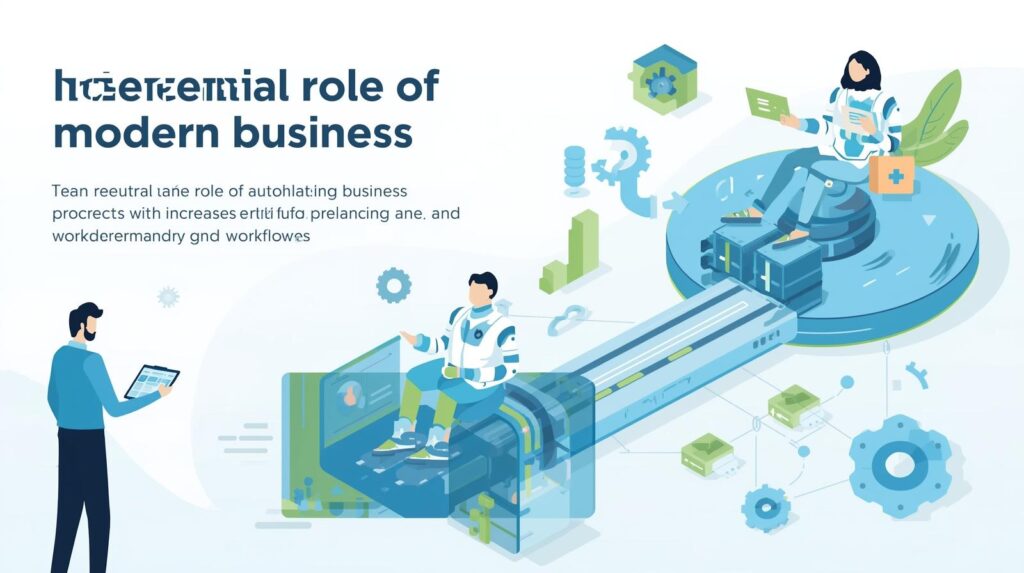
The Imperative for Secure, Scalable Digital Labor
Automation Anywhere is necessary because the stakes of automation in large organizations are high. It is essential because:
- Manual processes in finance, HR, and IT create bottlenecks, errors, and compliance risks
- Enterprises need audit trails and change control—unlike ad-hoc scripting or consumer bots
- Regulatory frameworks (e.g., SOX, GDPR, HIPAA) require strict data handling and access logs
- Global operations demand 24/7 automation across time zones and systems
- Digital transformation initiatives fail without a scalable automation backbone
Without a platform like Automation Anywhere, enterprises risk fragmented, insecure, and unsustainable automation efforts.
Benefits of Automation Anywhere
Strategic and Operational Impact
Massive Cost Reduction
Automates up to 80% of repetitive tasks, reducing FTE dependency and operational costs.
Improved Accuracy and Compliance
Bots follow rules exactly, eliminating human error and ensuring regulatory adherence.
Enterprise-Grade Security
Built-in controls for data protection, access management, and auditability meet strict industry standards.
Scalability and Resilience
Deploy thousands of bots across regions with centralized monitoring and failover support.
Faster Process Cycle Times
Processes that took days (e.g., invoice approval) can complete in minutes or hours.
Advantages and Disadvantages

Key Advantages
Automation Anywhere offers unmatched depth for enterprise automation—combining RPA, AI, and cloud scalability in one governed platform. Its Control Room provides unparalleled visibility into bot performance and ROI. Strong integrations with legacy and modern systems ensure broad applicability. Compliance-ready architecture satisfies auditors and risk officers. Most importantly, it enables organizations to industrialize automation as a core business function not just a side experiment.
Notable Disadvantages
Automation Anywhere has a steep learning curve for non-technical users, despite low-code improvements. Licensing and infrastructure costs are significant, making it less accessible to small businesses. Complex processes may require specialized bot developers or consultants. Browser-based automations can break with UI changes, requiring maintenance. And while it supports AI, advanced cognitive tasks still require custom model integration or human oversight.
Conclusion
The Industrial Engine of Enterprise Automation
Automation Anywhere is not a consumer gadget or a chatbot—it is the industrial machinery of the digital workforce. In an era where efficiency, compliance, and scalability define competitive advantage, it provides the infrastructure to automate not just what’s easy, but what’s important.
It is not about replacing humans. It is about freeing them from repetitive toil so they can focus on judgment, creativity, and customer value. For global enterprises navigating digital transformation, Automation Anywhere isn’t just a tool. It’s a necessity.