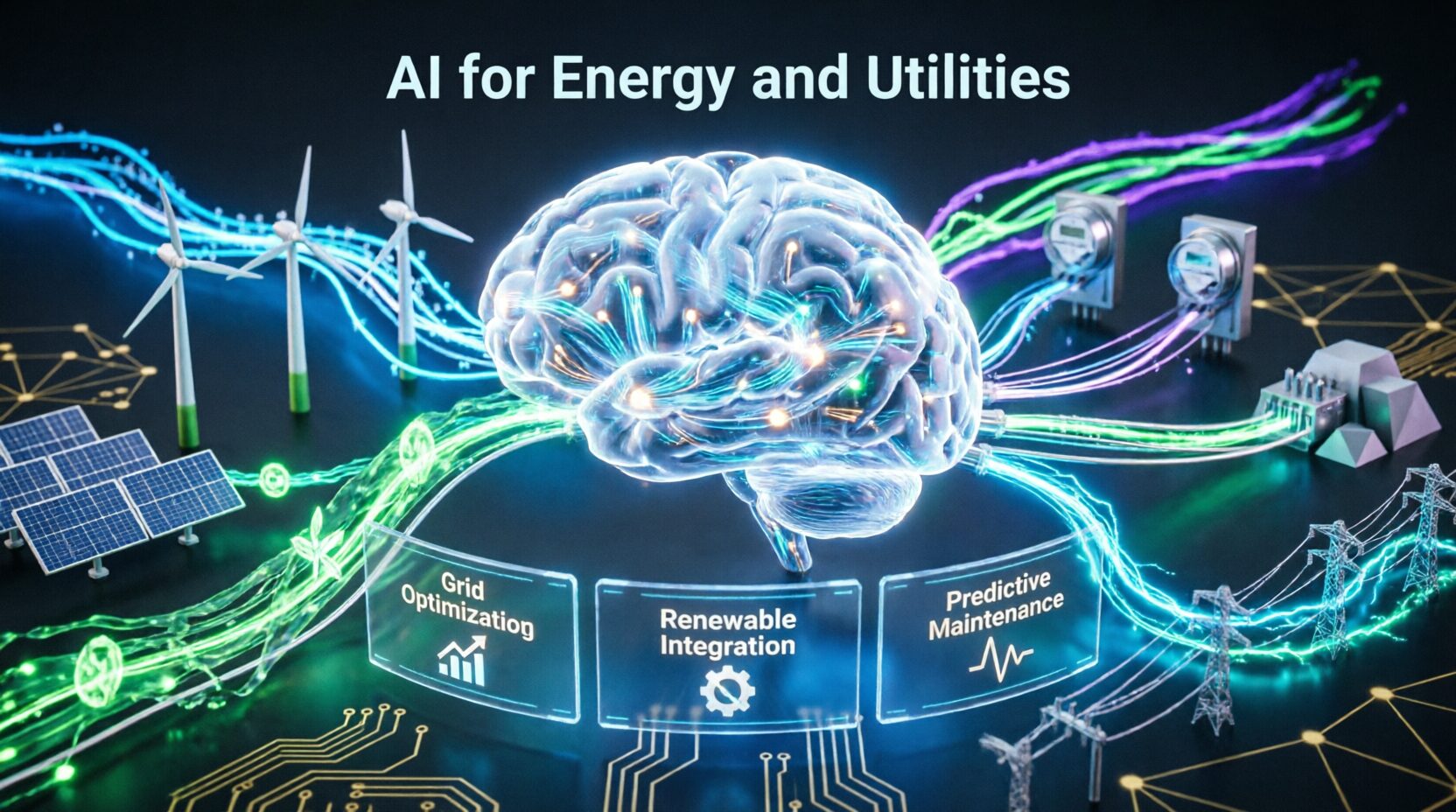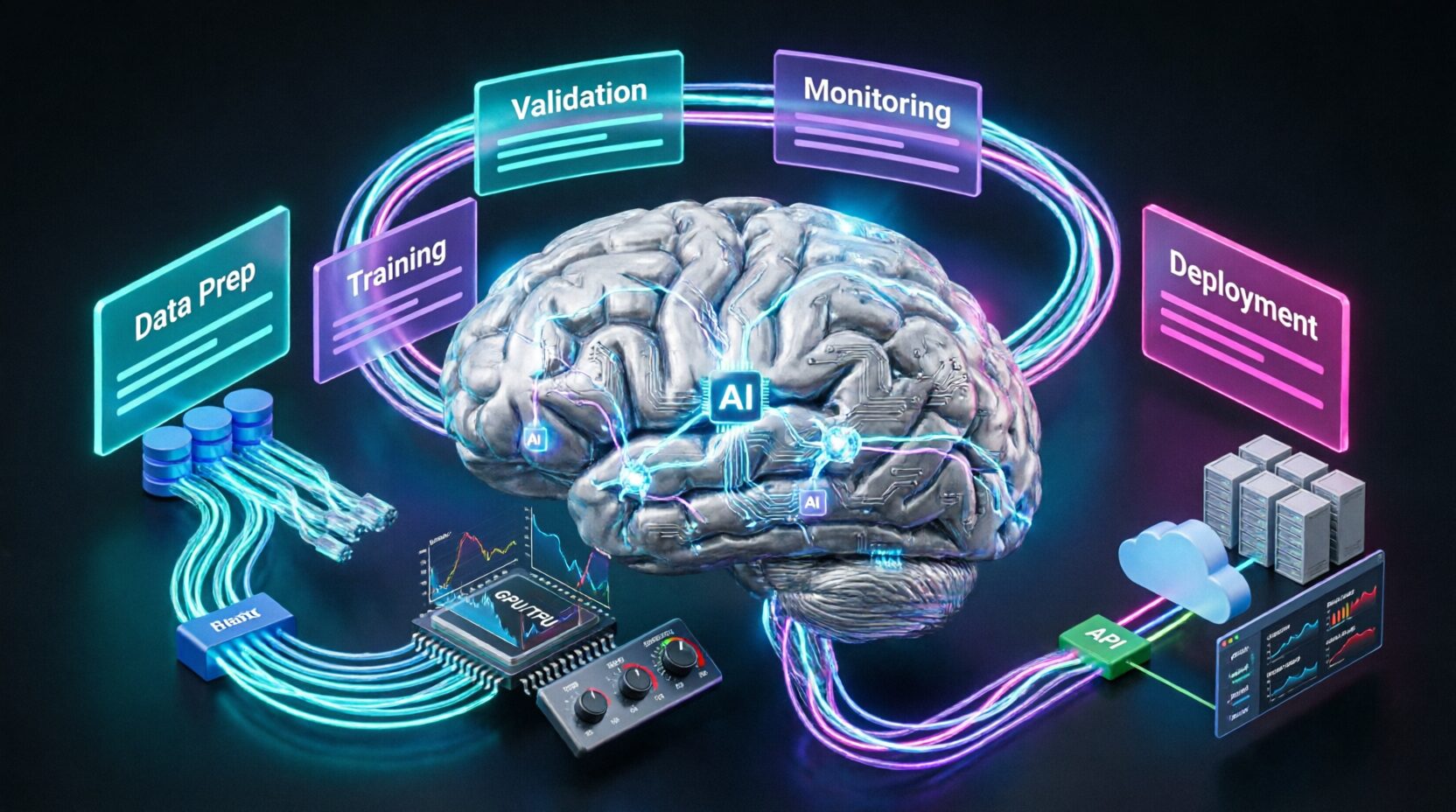
The Elastic AI-powered search landscape has fundamentally transformed how enterprises interact with their data in 2026. As organizations grapple with exponentially growing data volumes, the ability to extract actionable insights in real-time has become a critical competitive advantage. However, traditional search technologies are no longer sufficient; understanding how Elastic AI-powered search drives intelligent discovery is what separates data-leading organizations from those drowning in information. Whether you are a CTO, data engineer, or business analyst, recognizing the strategic value of Elastic AI-powered search is the first step toward achieving unprecedented operational intelligence.
This comprehensive guide explores 5 powerful ways Elastic AI-powered search is revolutionizing enterprise performance, detailing how these technologies enhance data discovery, accelerate decision-making, and drive measurable business outcomes. By the end of this article, you will have a clear understanding of how to leverage the Elastic enterprise search platform to secure your competitive advantage.
1. The Core Elastic AI-Powered Search Capabilities in 2026
To fully grasp the impact of Elastic AI-powered search, we must first understand the fundamental shifts in enterprise data architecture. According to the Gartner Magic Quadrant for Search-Driven Applications, AI-integrated search platforms are the primary drivers of enterprise digital transformation. The core Elastic AI-powered search capabilities lie in their ability to combine semantic understanding, vector search, and traditional keyword matching into a unified, intelligent query engine.
When organizations ignore the power of Elastic AI-powered search, they risk severe information silos and delayed decision-making. Conversely, those who embrace these Elasticsearch AI features find that intelligent search acts as a force multiplier for their entire data ecosystem. It is not about replacing human analysis; it is about augmenting human intelligence with machine-speed discovery. For a deeper understanding of how to instruct AI systems to work with search data, explore our comprehensive guide on How to Write AI Prompts.
2. Enhanced Data Discovery with Elastic Enterprise Search Platform
One of the most immediate benefits of Elastic AI-powered search is found in the Elastic enterprise search platform capabilities. Modern enterprises generate data across dozens of disparate systems—CRM platforms, document repositories, databases, and cloud applications. Traditional search requires users to know exactly where information lives and what keywords to use.
Advanced Elastic AI-powered search utilizes natural language processing (NLP) and semantic understanding to bridge these silos. According to Forrester’s Total Economic Impact Study, organizations deploying the Elastic enterprise search platform see a 300% improvement in employee productivity when searching for information. By implementing Elastic AI-powered search, companies can provide unified, context-aware search across all data sources, drastically reducing time-to-insight and eliminating the frustration of “I know it’s somewhere, but I can’t find it.” To see how to craft effective prompts for analyzing search results, review our detailed breakdown of AI Writing Prompts.
3. Real-Time AI Search Analytics Tool for Business Intelligence
Beyond simple discovery, Elastic AI-powered search functions as a sophisticated AI search analytics tool that transforms raw queries into strategic business intelligence. Every search query contains implicit signals about user intent, knowledge gaps, and emerging trends. Traditional analytics tools require manual configuration and batch processing, delaying insights by hours or days.
The Elastic AI-powered search platform analyzes search patterns in real-time, automatically surfacing trending topics, identifying content gaps, and predicting user needs before they are explicitly stated. According to McKinsey’s Analytics Research, organizations leveraging real-time AI search analytics tool capabilities report a 45% faster decision-making cycle. By integrating Elastic AI-powered search into your business intelligence stack, you transform every employee interaction with data into a learning opportunity for the entire organization. For technical teams building these analytics pipelines, our guide on AI Coding Prompts is an essential resource.
4. Elastic Data Insights 2026: Predictive Intelligence at Scale
As we progress through 2026, the paradigm of Elastic data insights 2026 is defined by predictive intelligence and autonomous pattern recognition. It is no longer enough to search for what happened; organizations need to understand what will happen next. Elastic AI-powered search leverages machine learning models to identify anomalies, forecast trends, and surface correlations that human analysts would never detect manually.
The Elastic data insights 2026 framework includes capabilities like behavioral anomaly detection, natural language query generation, and automated root cause analysis. According to the MIT Sloan Management Review, 73% of enterprises that implement predictive Elastic AI-powered search report significant improvements in risk mitigation and opportunity identification. Understanding Elastic data insights 2026 requires shifting from reactive reporting to proactive, AI-driven foresight. Developers and data scientists can master these predictive capabilities by studying the latest techniques in our Best AI Prompt Libraries 2026 guide.
5. AI-Driven Enterprise Performance with Elasticsearch AI Features
The ultimate measure of any technology is its impact on business outcomes. AI-driven enterprise performance is the direct result of implementing comprehensive Elasticsearch AI features across the organization. These features include vector search for semantic similarity, hybrid search combining multiple ranking strategies, and generative AI integration for automatic summarization and answer extraction.
When enterprises deploy Elastic AI-powered search with full Elasticsearch AI features, they unlock exponential improvements in customer experience, operational efficiency, and innovation velocity. According to Harvard Business Review’s Digital Transformation Study, companies that fully integrate AI-driven enterprise performance tools see an average revenue increase of 38% within the first 18 months. To ensure your team is maximizing these Elasticsearch AI features, explore our comprehensive guide on AI Tools Importance and discover how to build a culture of AI-augmented decision-making.
Comprehensive Query Coverage
What are the key differences between Elastic AI-powered search and traditional search? The key difference is that Elastic AI-powered search understands intent and context, not just keywords. Traditional search matches exact terms, while Elastic AI-powered search uses semantic understanding, vector embeddings, and machine learning to deliver relevant results even when query terms don’t exactly match document content.
How does the Elastic enterprise search platform handle data security and compliance? The Elastic enterprise search platform includes enterprise-grade security features like role-based access control (RBAC), field-level security, encryption at rest and in transit, and audit logging. For compliance, Elastic supports SOC 2, GDPR, HIPAA, and other regulatory frameworks. Learn more at the Elastic Security Documentation.
Can AI search analytics tool integrate with existing business intelligence platforms? Yes, modern AI search analytics tool platforms like Elastic provide native integrations with popular BI tools including Tableau, Power BI, and Looker. They also offer RESTful APIs and Elasticsearch Query Language (ES|QL) for custom integrations. For implementation guidance, visit the Elastic Integrations Catalog.
What industries benefit most from Elastic data insights 2026 capabilities? While all industries benefit, sectors with high data volumes and complex search requirements see the greatest ROI. This includes e-commerce (product discovery), healthcare (clinical research), financial services (fraud detection), and technology (code search). The World Economic Forum reports that these industries lead in Elastic data insights 2026 adoption.
Where can I find more resources on Elasticsearch AI features? Beyond this guide, authoritative sources include the official Elastic AI and Machine Learning Documentation, the Elastic Community Forums, and industry research from Gartner. For curated tools and implementations, browse the AI Directory.
Conclusion
The Elastic AI-powered search revolution in 2026 is defined by intelligent discovery, predictive insights, and seamless integration across the enterprise data ecosystem. By understanding how Elastic AI-powered search enhances data discovery, leveraging the Elastic enterprise search platform for unified access, deploying AI search analytics tool capabilities for real-time intelligence, harnessing Elastic data insights 2026 for predictive foresight, and maximizing Elasticsearch AI features for AI-driven enterprise performance, organizations can unlock unprecedented levels of operational intelligence.
As you integrate these powerful Elastic AI-powered search capabilities into your organizational strategy, remember that the technology is only as effective as the data governance, user training, and strategic vision guiding it. Continuously refine your search strategies, stay updated on the latest Elasticsearch AI features, and never stop optimizing your data discovery workflows.