Artificial Intelligence (AI) is no longer a concept confined to the pages of science fiction novels or tech labs. It is now an integral part of our everyday lives, influencing everything from the way we work to how we interact with technology. Whether you realize it or not, AI has already started reshaping many aspects of daily life, and its impact is only set to grow in the coming years.
In this article, we’ll explore how AI is transforming different areas of our lives and the ways it’s making our daily routines more efficient, convenient, and exciting.
AI in Our Homes: Smart Devices and Assistants
One of the most noticeable ways AI is changing everyday life is through smart home technology. Devices like Amazon Alexa, Google Assistant, and Apple’s Siri have revolutionized how we interact with technology in our homes. These voice-activated assistants use AI to understand and respond to our commands, whether it’s to play music, set alarms, or control other smart devices.
Smart thermostats, such as Nest, learn your preferences and adjust the temperature based on your schedule, saving both energy and time. Similarly, smart lighting systems use AI to automatically adjust the lighting in your home, creating the perfect atmosphere while optimizing energy consumption.
AI in Healthcare: Improving Wellness and Diagnosis
Healthcare is another area where AI is having a profound impact. AI-powered tools are being used to assist doctors in diagnosing diseases, predicting patient outcomes, and even developing personalized treatment plans. For example, AI algorithms can analyze medical imaging to detect abnormalities like tumors, often with greater accuracy than human doctors.
In addition to clinical applications, AI is also improving personal wellness. Wearable devices like fitness trackers and smartwatches use AI to monitor your health in real time, offering insights into your heart rate, sleep patterns, and activity levels. These devices can even suggest lifestyle changes based on the data they collect, helping you stay on top of your health.
AI in Transportation: Self-Driving Cars and Traffic Management
Imagine a world where you can sit back and relax as your car takes you to your destination. AI is making this a reality through autonomous vehicles. Companies like Tesla, Waymo, and others are developing self-driving cars that use AI to interpret data from sensors and cameras, allowing the car to make decisions about steering, braking, and navigation. While fully autonomous vehicles are not yet widespread, they are quickly becoming a part of our transportation landscape.
AI is also transforming how traffic is managed in cities. Smart traffic systems are being implemented to optimize the flow of vehicles, reduce congestion, and improve safety. These systems use AI to analyze real-time traffic data, adjusting traffic lights and signals to ensure smoother commutes.
AI in Entertainment: Personalizing Content and Recommendations
AI is revolutionizing the entertainment industry by personalizing content for users. Platforms like Netflix, YouTube, and Spotify use AI algorithms to recommend movies, TV shows, and music based on your viewing or listening history. These recommendations help you discover new content tailored to your tastes, making the experience more enjoyable and less time-consuming.
In video games, AI has enabled developers to create more immersive and responsive environments. NPCs (non-playable characters) now use AI to behave more realistically, making interactions feel more lifelike. AI-driven game design can even create dynamic storylines that adapt to the player’s decisions, providing a personalized gaming experience.
AI in Shopping: Personalized Experiences and Virtual Assistants
The way we shop has changed dramatically with AI. Online retailers like Amazon use AI to analyze your purchasing history and browsing behavior to offer personalized product recommendations. AI-driven chatbots are also becoming common, providing instant customer service and assisting with everything from product inquiries to order tracking.
Moreover, AI is making it easier to shop from home with virtual fitting rooms and augmented reality (AR) technology. With the help of AI, you can now see how clothes look on your avatar or visualize how a piece of furniture will fit in your living room before making a purchase. This makes online shopping more interactive and helps reduce the likelihood of returns.
AI in Social Media: Content Curation and Moderation
AI plays a huge role in shaping the content we see on social media platforms. Whether it’s Facebook, Instagram, Twitter, or TikTok, AI is behind the algorithms that determine what appears in your feed. These systems analyze your interests, behaviors, and interactions to curate content that is most relevant to you.
In addition to content curation, AI is also being used for content moderation. AI tools can automatically detect and remove harmful or inappropriate content, such as hate speech, explicit images, or fake news. This helps maintain safer online environments and ensures that users are exposed to more positive and engaging content.
AI in Customer Service: Chatbots and Virtual Assistants
AI-powered chatbots are becoming more common in customer service. They can handle a wide range of tasks, from answering frequently asked questions to assisting with order processing and resolving issues. By using natural language processing (NLP), these bots can understand and respond to customer inquiries in a conversational manner.
This not only improves customer satisfaction by providing 24/7 support but also helps businesses save time and money. In some cases, AI-driven chatbots can resolve customer issues more quickly than human agents, reducing wait times and improving efficiency.
AI in Education: Personalized Learning Experiences
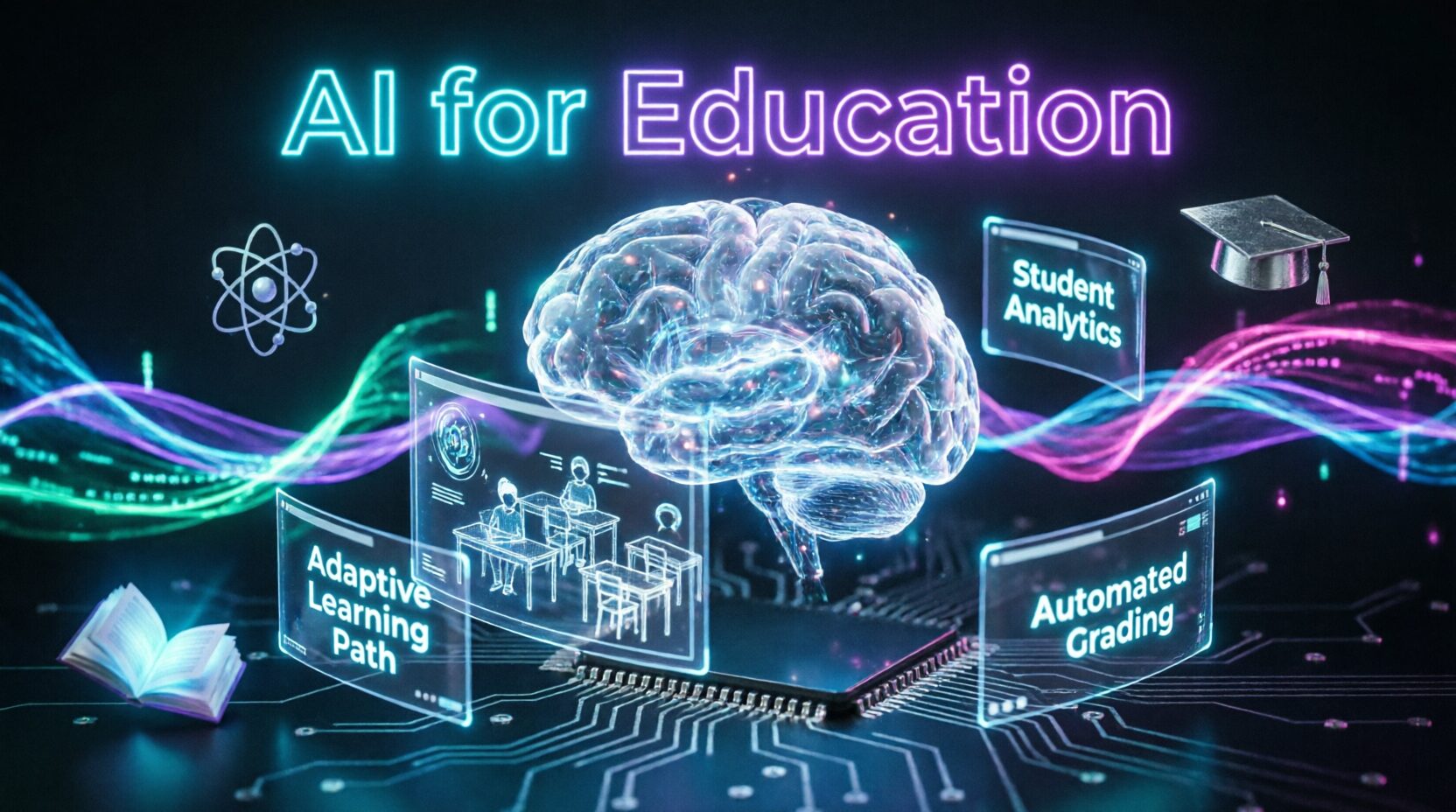
Education is another sector where AI is making a big difference. AI is being used to create personalized learning experiences that cater to individual students’ needs. Tools like smart tutors and adaptive learning platforms analyze students’ progress and suggest customized lessons or exercises to help them improve.
AI can also assist educators by automating administrative tasks, such as grading assignments and providing real-time feedback. This allows teachers to spend more time focusing on their students and less time on paperwork.
The Future of AI: What’s Next?
As AI continues to evolve, its presence in our daily lives will only grow stronger. In the future, we may see AI-powered systems that anticipate our needs before we even ask, more advanced automation in industries like healthcare and manufacturing, and even greater integration with the Internet of Things (IoT).
However, as AI becomes more ingrained in our lives, it’s important to consider its ethical implications and ensure that it is developed responsibly. Transparency, fairness, and accountability will be key factors in shaping the future of AI.
Conclusion
Artificial Intelligence is transforming everyday life in ways we never imagined. From enhancing the convenience of our homes to revolutionizing healthcare and entertainment, AI is making life easier, more efficient, and personalized. While challenges and ethical questions remain, there’s no doubt that AI will continue to shape the future of technology and society.
As AI technology advances, it’s essential to stay informed about its potential and its impact on the world around us. The future of AI promises exciting possibilities, and we’re only beginning to scratch the surface of what it can achieve.
FAQs
- How is AI used in our homes?
AI is used in smart home devices like voice assistants, smart thermostats, and lighting systems to improve convenience, comfort, and energy efficiency. - How does AI improve healthcare?
AI assists doctors by analyzing medical images, diagnosing diseases, predicting outcomes, and personalizing treatment plans. It also helps individuals monitor their health through wearable devices. - What are AI-powered chatbots?
AI-powered chatbots are automated systems that can interact with customers, answer questions, and assist with tasks like order processing and customer support. - How does AI impact entertainment?
AI personalizes content recommendations on platforms like Netflix and Spotify, and enhances gaming experiences by creating more responsive characters and dynamic storylines. - What is the future of AI?
The future of AI includes more personalized experiences, advanced automation, and greater integration with IoT devices, all while addressing ethical and societal concerns.