Artificial Intelligence (AI) might seem like a complex concept reserved for tech experts and scientists, but it’s actually all around us. From the voice assistant in your phone to the recommendations you see on Netflix, AI is changing how we live, work, and interact with technology. If you’ve ever wondered what AI really is, how it works, and how it’s used in daily life, you’re in the right place.
This beginner’s guide will explain the basics of Artificial Intelligence, its key components, and how it’s transforming various industries. Let’s dive into the world of AI!
What Exactly is Artificial Intelligence?
At its core, Artificial Intelligence refers to the ability of machines or computers to perform tasks that would normally require human intelligence. These tasks include things like understanding language, recognizing patterns, solving problems, and making decisions. In simpler terms, AI enables machines to “think” or “learn” from data and experiences.
AI is often divided into two categories:
- Narrow AI (Weak AI): This type of AI is designed to perform a specific task, like facial recognition or playing chess. It doesn’t have general intelligence and can’t perform tasks outside its programmed purpose. Most AI systems in use today fall under this category.
- General AI (Strong AI): This is a more advanced form of AI that can perform any intellectual task that a human can. It’s still theoretical and hasn’t been achieved yet, but researchers are working toward this goal.
Key Components of Artificial Intelligence
To understand AI better, it’s essential to know some of the key components that make AI work. These components include:
- Machine Learning (ML): Machine learning is a subset of AI that allows machines to learn from data. Instead of being explicitly programmed for every task, machines use algorithms to analyze patterns in data and make predictions or decisions based on those patterns.
- Deep Learning: A more advanced form of machine learning, deep learning uses neural networks to simulate how the human brain works. It’s responsible for many breakthroughs in areas like image recognition and natural language processing.
- Natural Language Processing (NLP): NLP allows machines to understand and interact with human language. It powers voice assistants like Siri and Alexa and enables machines to understand written and spoken text.
- Computer Vision: This allows machines to interpret and understand visual data from the world around them, such as images or videos. It’s used in applications like facial recognition and self-driving cars.
How Does Artificial Intelligence Work?
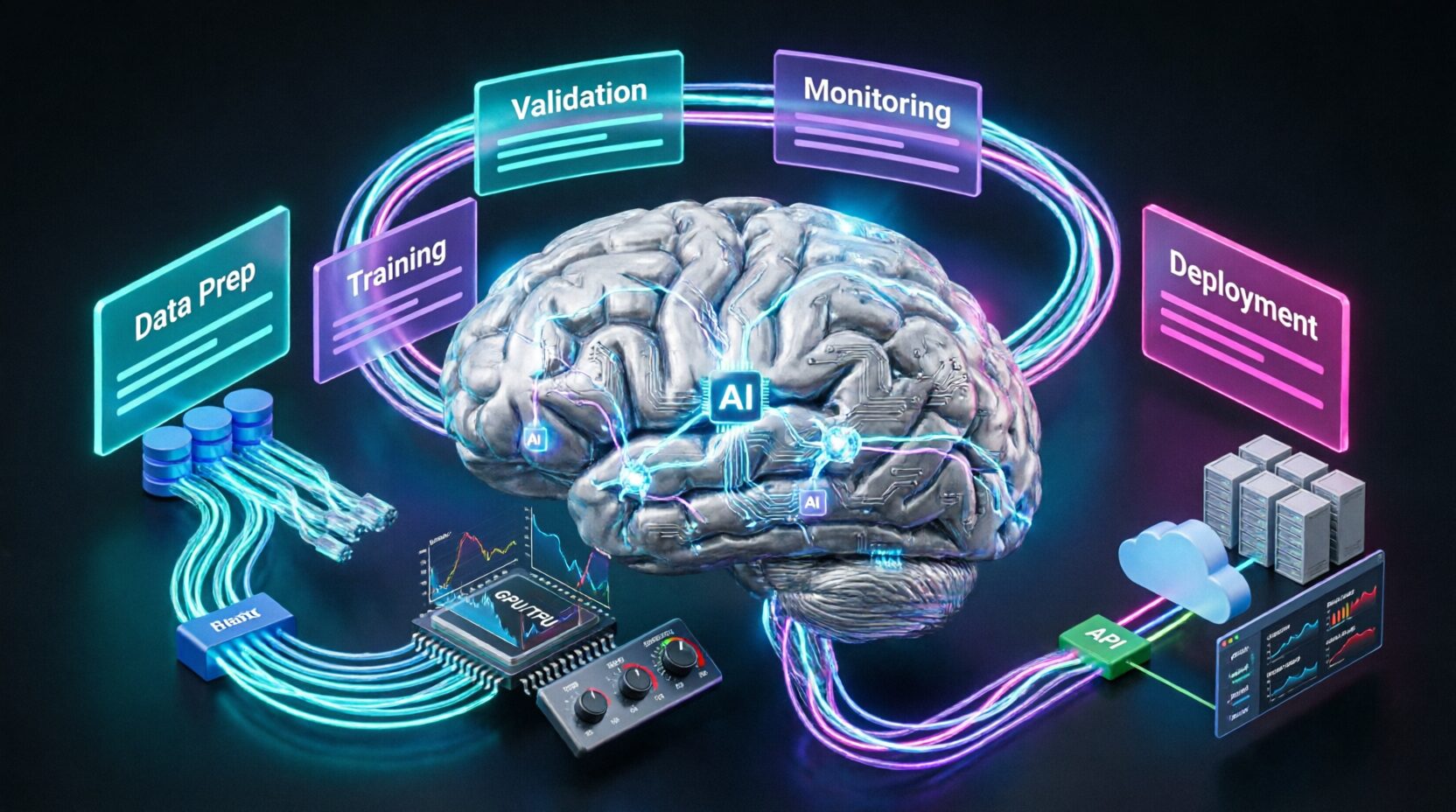
AI works by using algorithms to process data, identify patterns, and make decisions. Here’s a simple breakdown of how AI systems typically function:
- Data Collection: First, AI systems gather large amounts of data. The quality and quantity of this data are crucial for the system to “learn” and make accurate predictions.
- Training: In the training phase, AI systems use machine learning algorithms to process and analyze the data. The system identifies patterns or features in the data that help it make decisions.
- Testing: After training, AI systems are tested to see how well they can make predictions or decisions based on new, unseen data. The goal is to ensure the system is learning correctly.
- Implementation: Once tested and refined, the AI system is deployed in real-world applications, where it can start performing tasks like recognizing faces, translating languages, or recommending products.
Common Uses of Artificial Intelligence in Everyday Life
AI is already a big part of our daily routines, even if we don’t always recognize it. Here are some of the most common ways AI is being used:
- Voice Assistants: Siri, Alexa, and Google Assistant use AI to understand spoken commands and perform tasks like setting reminders, playing music, or answering questions.
- Recommendation Systems: AI is behind the recommendation algorithms on platforms like Netflix, Amazon, and YouTube. By analyzing your viewing or shopping habits, AI suggests content you might like.
- Social Media: AI is used in social media platforms like Facebook and Instagram to personalize your feed, detect fake news, and target ads based on your interests and behaviors.
- Autonomous Vehicles: Self-driving cars use AI to interpret data from sensors and make real-time driving decisions. They can recognize road signs, pedestrians, and other vehicles to navigate safely.
- Healthcare: AI is helping doctors diagnose diseases, analyze medical images, and predict patient outcomes. It can also assist in drug discovery and develop personalized treatment plans.
Benefits of Artificial Intelligence
AI is revolutionizing many aspects of our lives and has several key benefits, including:
- Increased Efficiency: AI can process large volumes of data much faster than humans, making processes more efficient in fields like manufacturing, logistics, and customer service.
- Automation of Repetitive Tasks: AI can handle tasks like scheduling, data entry, and customer queries, freeing up time for people to focus on more creative or complex work.
- Improved Accuracy: AI systems, particularly in fields like healthcare and finance, can analyze data with high accuracy, helping to make better decisions and reduce human error.
- Personalization: AI is excellent at personalizing experiences, whether it’s recommending products, curating newsfeeds, or tailoring online learning content to individual needs.
Risks and Challenges of AI
While AI holds tremendous potential, it also comes with challenges and risks that need to be addressed:
- Job Displacement: As AI continues to automate tasks, there are concerns about job losses, particularly in industries like manufacturing, retail, and customer service.
- Bias and Fairness: AI systems can inherit biases from the data they’re trained on. If the data is biased, the AI’s decisions can be discriminatory or unfair, especially in areas like hiring, law enforcement, and lending.
- Privacy Concerns: AI systems often require access to vast amounts of personal data. This raises concerns about how that data is collected, stored, and used, and whether individuals’ privacy is being protected.
- Ethical Issues: As AI becomes more autonomous, questions arise about accountability, decision-making, and the moral implications of machines making important decisions in areas like healthcare and justice.
The Future of AI
The future of AI is bright, with endless possibilities. As AI continues to advance, we can expect it to play an even bigger role in transforming industries such as healthcare, education, transportation, and entertainment.
We may also see the development of more sophisticated AI systems that are capable of more human-like reasoning and decision-making, potentially leading to AI that can solve some of the world’s most pressing problems.
However, it’s essential that we approach AI development with caution, ensuring that ethical concerns are addressed, and that AI is used responsibly for the benefit of society.
Conclusion
Artificial Intelligence is no longer a distant dream but an integral part of our everyday lives. From voice assistants to self-driving cars, AI is shaping the way we interact with technology and the world around us. As AI continues to evolve, it holds immense potential to improve efficiency, accuracy, and personalization in various industries. However, it also raises important ethical and social issues that need to be carefully considered.
By understanding the basics of AI and staying informed about its advancements, we can better prepare for the future and ensure that AI is used in ways that benefit humanity.
FAQs
- What is Artificial Intelligence?
Artificial Intelligence is the ability of machines to perform tasks that would typically require human intelligence, such as problem-solving, language understanding, and decision-making. - What is the difference between AI and Machine Learning?
AI refers to machines performing intelligent tasks, while machine learning is a subset of AI that involves training machines to learn from data and improve over time. - Can AI think like humans?
While AI can perform many tasks that require human-like intelligence, it does not think or reason exactly like a human. The goal of General AI is to achieve human-like reasoning, but this has not been fully realized yet. - How is AI used in healthcare?
AI is used in healthcare to assist in diagnosing diseases, analyzing medical images, predicting patient outcomes, and personalizing treatment plans. - What are the risks of AI?
Some risks of AI include job displacement, bias in decision-making, privacy concerns, and ethical dilemmas related to AI autonomy.