What Are Instant Answers?

Defining the Concept
Instant Answers refer to immediate, concise responses delivered by digital systems such as search engines, AI chatbots, voice assistants, or knowledge platforms in direct reply to user queries. Unlike traditional search results that present a list of links, Instant Answers aim to resolve the question in a single, self-contained response, often displayed at the top of a search page or spoken aloud by a virtual assistant.
What Information Is Included?
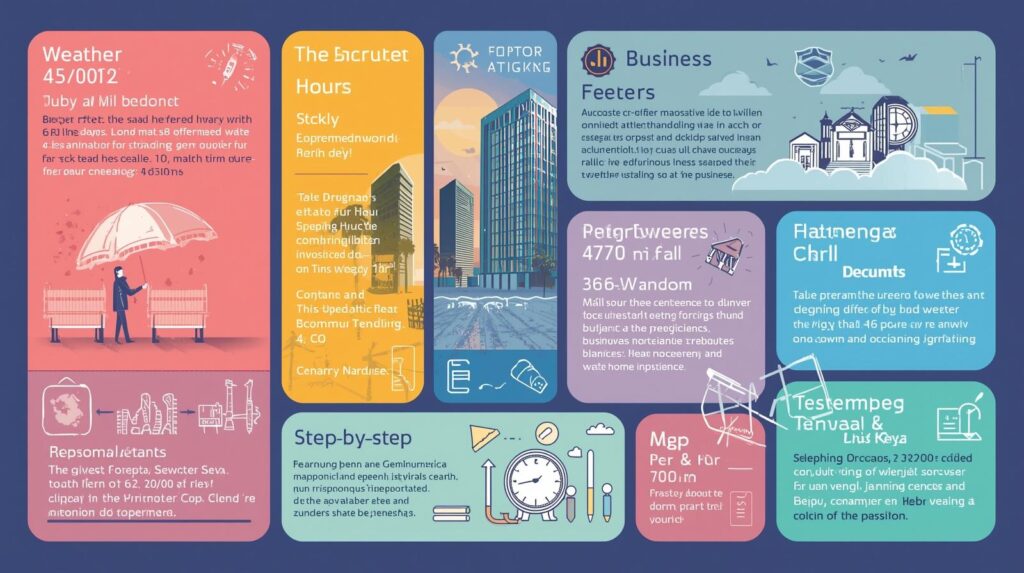
Instant Answers typically provide factual, time-sensitive, or procedural information, such as:
- Weather forecasts or sports scores
- Definitions, unit conversions, or mathematical calculations
- Business hours, addresses, or contact details
- Step-by-step instructions (e.g., “How to reset a router”)
- Summaries of historical events, scientific concepts, or public figures
These answers are sourced from structured databases (like knowledge graphs), trusted websites, or AI-generated summaries trained on verified content.
Where Are Instant Answers Delivered?
They appear across multiple digital touchpoints:
- Google’s “Featured Snippets” or “Answer Boxes”
- Voice responses from Siri, Alexa, or Google Assistant
- Chat interfaces like ChatGPT, Bing Chat, or customer support bots
- Smart displays, car dashboards, and wearable devices
The goal is to satisfy the user’s need without requiring them to click through to another page.
When Did Instant Answers Emerge?
The trend began in the early 2010s as search engines evolved from link directories to answer engines. Google’s Knowledge Graph (launched in 2012) marked a major shift, enabling direct answers for factual queries. The rise of voice assistants and generative AI has since accelerated demand for faster, more conversational responses.
Why Do Instant Answers Exist?
They exist to meet the modern expectation of speed and convenience. In an age of shrinking attention spans and mobile-first usage, users want answers not search results. Instant Answers reduce friction, save time, and improve user satisfaction by delivering knowledge at the point of need.
How Are They Generated?
Search engines use structured data (like schema markup) and natural language processing to extract answers from authoritative sources. AI-powered systems, by contrast, generate responses by synthesizing information from their training data. Both approaches prioritize clarity, brevity, and relevance though their methods and reliability differ significantly.
Why Are Instant Answers Necessary?

Instant Answers fulfill a critical role in today’s information ecosystem. They are necessary because:
- Users increasingly expect immediate resolution, especially on mobile devices
- They reduce cognitive load by eliminating the need to scan and evaluate multiple sources
- In urgent situations—such as health symptoms or emergency contacts speed can be lifesaving
- They support digital inclusion for non-experts who may struggle to interpret complex search results
- Businesses and public services rely on them to deliver key information efficiently
Without Instant Answers, the digital experience would feel slower, more fragmented, and less intuitive.
Benefits of Instant Answers
Time Efficiency
Users get the information they need in seconds, without navigating multiple websites.
Improved Accessibility
People with limited tech literacy, visual impairments, or language barriers benefit from clear, spoken, or simplified responses.
Enhanced User Experience
Direct answers increase satisfaction and trust in digital platforms, encouraging continued use.
Support for Voice and Mobile Interfaces
Instant Answers are essential for hands-free or screen-limited contexts, such as driving or cooking.
Reduced Information Overload
By filtering out noise and presenting only the most relevant fact, they help users avoid decision fatigue.
Advantages and Disadvantages
Key Advantages
Instant Answers provide immediate value, especially for simple, factual queries. They work seamlessly across voice, text, and visual interfaces, making them versatile. Because they often pull from structured, vetted sources, they can be highly accurate for objective topics like math or geography. They also reduce bounce rates for websites that appear in featured snippets, benefiting content creators. Finally, they support multitasking, allowing users to get answers while engaged in other activities.
Notable Disadvantages
Instant Answers can oversimplify complex topics, stripping away nuance, context, or controversy. They may promote misinformation if sourced from unreliable websites or generated by AI without proper grounding. Because they occupy prime digital real estate, they can undermine critical thinking, discouraging users from exploring multiple perspectives. There is also a lack of transparency users rarely see the source or methodology behind the answer. In AI-generated cases, hallucinations (confidently stated falsehoods) pose serious risks, especially in health or legal domains. Finally, over-reliance on Instant Answers may erode research skills, as users stop learning how to evaluate sources or construct deeper understanding.
Conclusion
Instant Answers represent both the best and worst of modern information culture. At their best, they deliver clarity, speed, and accessibility turning the internet into a responsive, helpful companion. At their worst, they flatten complexity, obscure sources, and encourage passive consumption over active inquiry.
The challenge is not to eliminate Instant Answers, but to design them responsibly: with clear sourcing, appropriate scope, and prompts that encourage further exploration when needed. Users, too, must cultivate digital literacy knowing when a quick answer suffices and when deeper investigation is required.