What Is Dume AI?

Defining the Concept
Dume AI represents an emerging ideal in artificial intelligence: a human-centered, privacy-first AI assistant designed not to maximize engagement or data collection, but to serve user intent with integrity, clarity, and restraint. Unlike mainstream AI systems that prioritize scale and personalization through extensive data harvesting, Dume AI operates on the principle of minimal data, maximum utility.
What Data Is Included?
Dume AI would use only the information explicitly provided during a session—with no long-term storage, profiling, or cross-referencing with external databases unless the user consents. It would avoid training on private conversations and would not retain memory across interactions by default. Sensitive topics (such as health or finance) would trigger clear disclaimers and encourage human consultation.
Where Is It Used?
As a conceptual platform, it could be integrated into environments where trust and discretion are paramount:
- Healthcare settings for preliminary symptom guidance
- Educational tools that support learning without surveillance
- Legal or financial advisory interfaces that prioritize accuracy over persuasion
- Personal productivity apps that assist without tracking behavior
It would be accessible via web, mobile, or voice interfaces, with strong encryption and local processing options for high-sensitivity use cases.
When Did the Idea Emerge?
While not tied to a specific launch, the philosophy behind Dume AI gained urgency in the early 2020s, as public concern grew over AI bias, data exploitation, and the psychological effects of algorithmic manipulation. It responds to a demand for AI that respects boundaries rather than eroding them.
Why Does Dume AI Exist?
Dume AI exists as a counterpoint to the dominant AI paradigm—one that treats user attention and data as commodities. It asks: What if AI were designed to empower, not extract? Its purpose is to prove that intelligence does not require intrusion, and that helpfulness can coexist with humility.
How Does It Work?
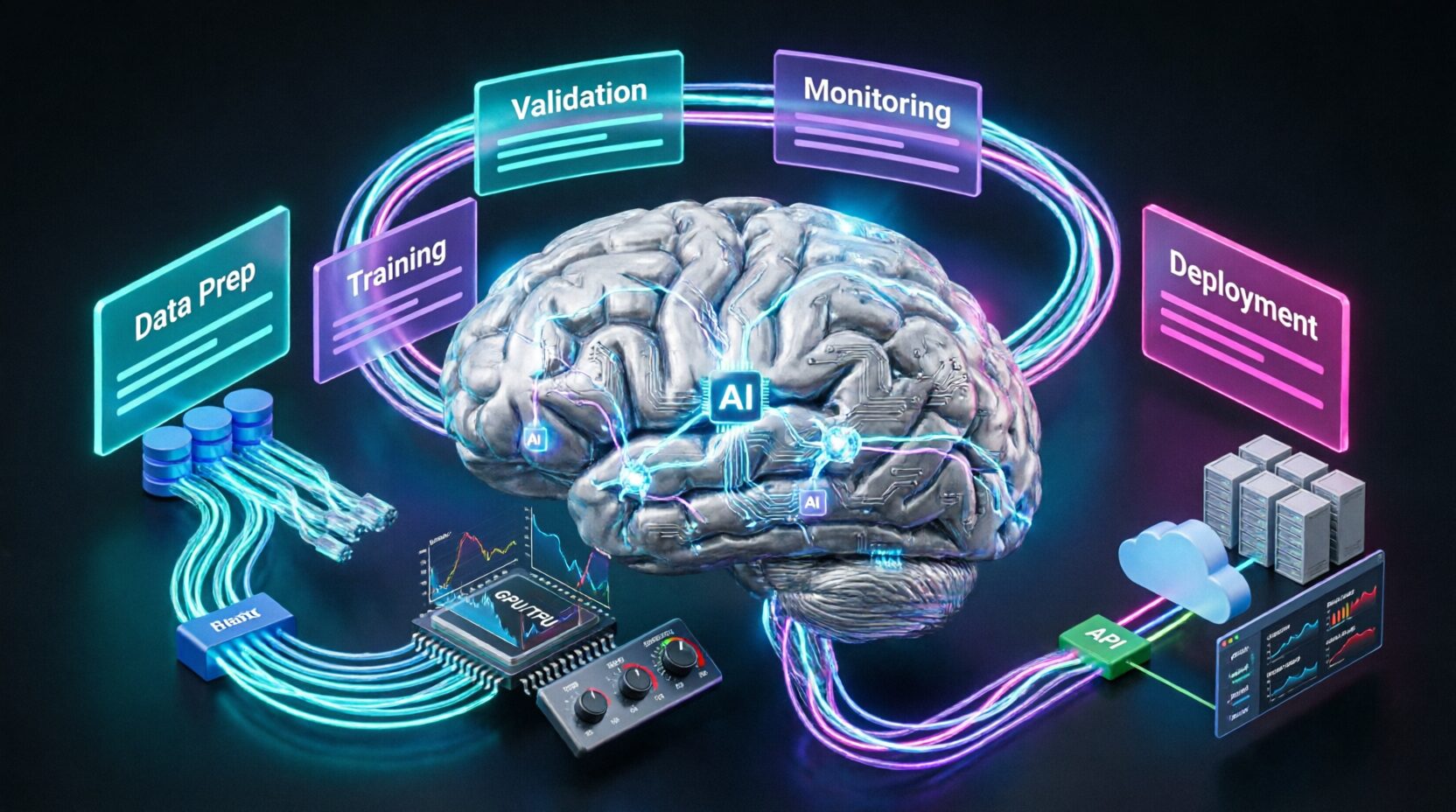
Dume AI would function through on-device processing where possible, transparent reasoning, and user-controlled context. Instead of guessing user needs, it would ask clarifying questions. Instead of generating lengthy, confident-sounding text, it would offer concise, sourced, and appropriately cautious responses. If uncertain, it would say so—prioritizing honesty over fluency.
Why Is Dume AI Necessary?

In an era where AI systems increasingly shape what we see, believe, and do, Dume AI offers a necessary alternative. It is necessary because:
- Users deserve tools that protect their privacy, not exploit it
- Society needs AI that acknowledges uncertainty, rather than spreading confident falsehoods
- Professionals in high-stakes fields require reliable, auditable assistance—not black-box predictions
- Digital well-being depends on technology that respects attention and autonomy
- Ethical innovation demands models that prioritize human dignity over growth metrics
Without alternatives like Dume AI, the AI landscape risks becoming dominated by systems that optimize for profit at the expense of truth, trust, and mental health.
Benefits of Dume AI
Enhanced Privacy and Security
By minimizing data collection and enabling local processing, Dume AI reduces the risk of breaches, profiling, and unauthorized surveillance.
Greater User Trust
Transparency about limitations and sources fosters credibility, especially in sensitive domains like health or education.
Reduced Cognitive Load
Clear, concise, and honest responses help users make decisions without sifting through AI-generated fluff or hallucinations.
Ethical Alignment
Organizations using Dume AI can demonstrate commitment to responsible AI, meeting growing regulatory and public expectations.
Support for Critical Thinking
By avoiding overconfidence and encouraging verification, Dume AI promotes informed, independent judgment.
Advantages and Disadvantages

Key Advantages
Dume AI offers strong data sovereignty, giving users control over their information. Its honesty about uncertainty builds long-term reliability. Because it avoids addictive design patterns, it supports healthier digital habits. Its minimalist approach reduces computational costs and environmental impact. Finally, its ethical foundation makes it suitable for regulated industries like healthcare, law, and education.
Notable Disadvantages
Dume AI may appear less “impressive” than flashy, data-hungry competitors—offering shorter answers or admitting ignorance where others fabricate. Its limited personalization could feel less convenient for users accustomed to anticipatory AI. Scalability challenges arise when avoiding cloud-based processing, potentially increasing device requirements. In competitive markets, its restraint may be mistaken for weakness, making adoption harder. Additionally, without behavioral data, it may struggle to anticipate nuanced user needs in complex workflows.
Conclusion
Dume AI may not be a household name today, but it embodies a crucial direction for the future of artificial intelligence. In a landscape crowded with systems that know too much and say too little about their methods, Dume AI chooses the opposite path: to know only what is needed, and to speak with clarity, caution, and care.
It is not about building the smartest AI, but the most trustworthy. Not the most engaging, but the most respectful. This vision may seem idealistic, but it is increasingly necessary.