AgentX
What Is AgentX?
Defining the Concept
AgentX is not a single product, but a symbolic name for the new class of autonomous AI agents intelligent software systems that can perceive their environment, make decisions, take actions, and learn from outcomes with minimal human intervention. Unlike traditional chatbots that respond only when prompted, the-style agents can initiate tasks, coordinate with other tools, and work toward goals over time.
What Capabilities Are Included?
An AgentX system typically combines several advanced AI technologies:
- Natural language understanding to interpret goals and instructions
- Planning and reasoning engines to break down complex tasks
- Tool integration (e.g., calendars, email, APIs, databases) to execute actions
- Memory systems to retain context across sessions
- Self-correction mechanisms to learn from mistakes
For example, an might schedule a team meeting by checking everyone’s availability, drafting an agenda based on past notes, sending invites, and following up with reminders all without further input.
Where Is AgentX Used?
AgentX-style agents operate in digital environments:
- In workplaces, as personal assistants for executives or project coordinators
- In customer service, as proactive support agents that resolve issues before users ask
- In software development, as coding partners that write, test, and debug programs
- In research, as data analysts that gather, synthesize, and visualize information
- In smart homes or IoT ecosystems, as orchestrators of connected devices
They may run in the cloud, on local devices, or across hybrid infrastructures, depending on privacy and performance needs.
When Did AgentX Emerge?
The concept gained momentum in 2023 and 2024, as large language models evolved beyond passive response generation into goal-driven behavior. Advances in frameworks like LangChain, AutoGPT, and Microsoft’s AutoGen demonstrated that AI could chain together actions autonomously. While still experimental, it represents the next frontier beyond conversational AI.
Why Does AgentX Exist?
AgentX exists to solve a fundamental limitation of current AI: reactivity. Today’s chatbots wait for prompts. AgentX aims to be proactive, persistent, and purposeful transforming AI from a tool you use into a collaborator that works alongside you.
How Does AgentX Work?
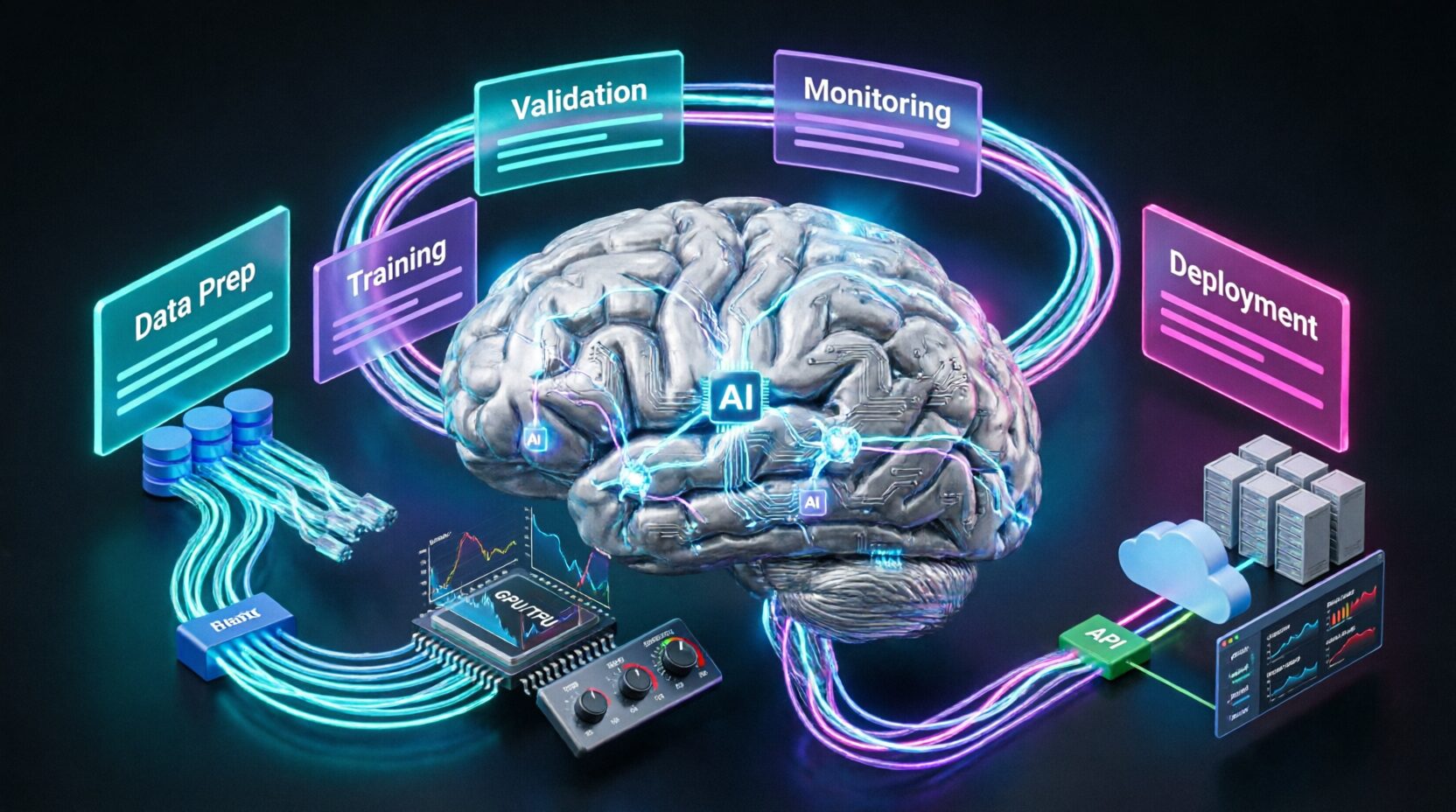
AgentX operates through a loop of perceive, plan, act, and learn:
- It receives a high-level goal (“Plan a product launch”)
- It breaks it into subtasks (“Book venue, draft press release, create timeline”)
- It uses integrated tools to complete each step
- It evaluates outcomes and adjusts future behavior
This autonomy is bounded by user-defined permissions, safety constraints, and ethical guardrails to prevent unintended actions.
Why Is AgentX Necessary?

As digital work grows more complex and time becomes scarcer, humans need partners not just tools. AgentX is necessary because:
- It automates multi-step workflows that currently require human coordination
- It reduces cognitive load by managing routine but intricate tasks
- It scales expertise, allowing one person to accomplish what once required a team
- It accelerates innovation by handling research, prototyping, and testing faster than humans alone
- It bridges skill gaps, enabling non-experts to perform advanced tasks with AI guidance
Without autonomous agents like AgentX, organizations will struggle to keep pace with the speed and complexity of modern challenges.
Benefits of AgentX
Increased Productivity
Agent X handles time-consuming, repetitive, or detail-oriented tasks, freeing humans for creative and strategic work.
24/7 Operation
Unlike human teams, it can work continuously across time zones, accelerating project timelines.
Consistency and Precision
It follows instructions exactly, reducing errors in data entry, scheduling, or reporting.
Personalized Assistance
Over time, AgentX learns user preferences and adapts its behavior, becoming a truly individualized collaborator.
Democratization of Complex Work
Tasks like data analysis, software development, or market research become accessible to non-specialists through guided AI support.
Advantages and Disadvantages

Key Advantages
AgentX enables end-to-end task automation, moving beyond single-response interactions. It supports dynamic problem-solving, adjusting plans when obstacles arise. Its tool interoperability allows it to function across email, calendars, CRMs, and code repositories. Because it retains memory, it provides context-aware continuity across days or projects. Finally, it offers scalable delegation, letting users offload entire workflows with confidence.
Notable Disadvantages
AgentX systems can exhibit unpredictable behavior if goals are poorly defined or safety constraints are weak. They may overstep boundaries, such as sending emails or making purchases without explicit approval. Debugging failures is difficult, as the chain of reasoning and actions can be opaque. Security risks increase when agents have broad system access malicious instructions or hijacked agents could cause real damage. Additionally, over-reliance may erode human skills in planning, critical thinking, and execution. Finally, current AgentX prototypes are often resource-intensive, requiring significant computing power and careful monitoring.
Conclusion
AgentX represents a pivotal evolution in artificial intelligence from reactive assistants to proactive collaborators. While still in its early stages, this paradigm promises to redefine how humans work, create, and solve problems.
However, autonomy brings responsibility. The power to act independently must be balanced with transparency, user control, and robust safeguards. Without these, it risks becoming a source of errors, breaches, or unintended consequences.
The goal is not to replace human judgment, but to augment it with intelligent, reliable, and trustworthy agency. If developed ethically, it could become one of the most transformative technologies of the decade turning AI from a mirror of human knowledge into a partner in human progress.