What Is Chat Data?
Defining the Concept
Chat data refers to the digital records generated from text-based conversations between people or between people and machines. These interactions occur across messaging apps, social media platforms, customer service interfaces, workplace collaboration tools, and AI chatbots. Chat data captures not only the words exchanged but also contextual metadata that reveals how, when, and where communication happens.
What Information Is Included?
Chat data typically includes:
- Message content (text, emojis, links, file references)
- Timestamps of when messages were sent and read
- User identifiers (usernames, phone numbers, or account IDs)
- Metadata such as typing indicators, delivery receipts, device type, and IP addresses
- In advanced systems, automated tags like sentiment scores, intent classification, or language detection
While users often treat chats as private or temporary, this data is frequently stored, processed, and analyzed sometimes without explicit awareness.
Where Is Chat Data Generated?
Chat data is produced wherever digital conversation occurs: WhatsApp, Telegram, Slack, Microsoft Teams, Facebook Messenger, SMS, live chat widgets on websites, and AI assistants like customer support bots. It resides on the servers of the platforms hosting the conversation—whether owned by tech companies, businesses, or cloud service providers.
When Is Chat Data Collected?
Collection begins the moment a message is sent and often continues long after the conversation ends. Many platforms retain chat logs for days, months, or even years, depending on their policies, legal requirements, or business needs. Real-time processing may also occur during the conversation for example, to power auto-suggestions or detect spam.
Why Does Chat Data Exist?
Chat data exists because digital communication has become central to work, social life, and commerce. Platforms and organizations collect it to improve services, ensure safety, train AI systems, and gain insights into user behavior. It is the raw material that powers smarter, faster, and more responsive digital experiences.
How Is Chat Data Used?
Organizations use chat data in multiple ways:
- Training AI chatbots to understand and respond to user queries
- Analyzing customer sentiment to improve products or support
- Detecting fraud, harassment, or policy violations through automated monitoring
- Personalizing user experiences based on past interactions
- Supporting research in linguistics, psychology, or public health (often with anonymized datasets)
Why Is Chat Data Necessary?
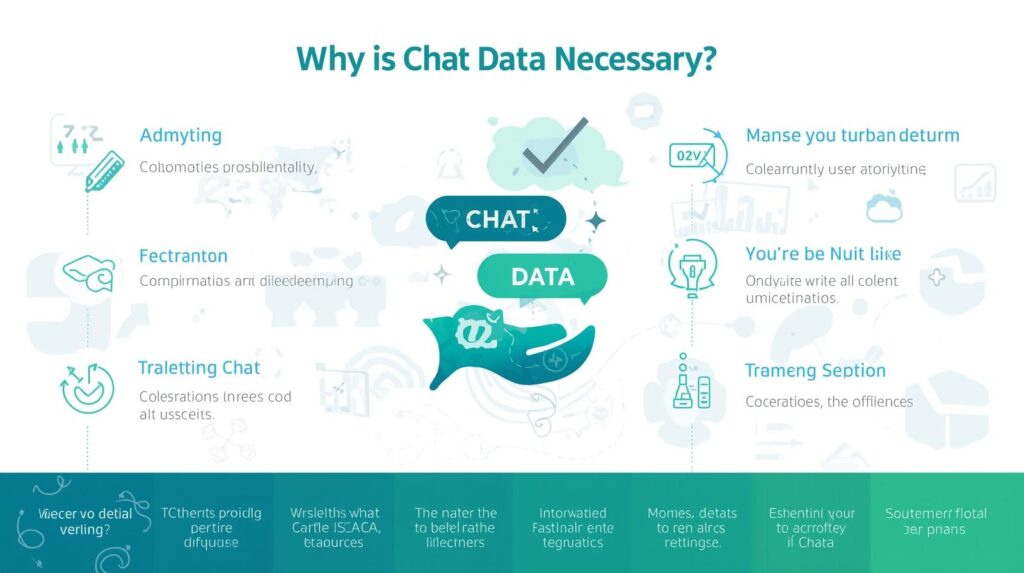
In today’s connected world, chat data is not merely a byproduct of communication it is a critical resource for innovation, safety, and efficiency. It is necessary because:
- It enables AI systems to learn human language patterns and deliver more helpful responses
- It allows businesses to scale support without proportional increases in staffing
- It helps detect emergencies or harmful behavior in real time, such as suicidal ideation or cyberbullying
- It supports public health and social research through aggregated, anonymized trends
- It drives accessibility features, like real-time captioning or predictive text for people with disabilities
Without chat data, many of the intelligent, responsive digital services we rely on would be far less effective—or simply nonexistent.
Benefits of Chat Data
Personalized User Experiences
Platforms can anticipate needs, suggest relevant replies, and adapt interfaces based on past conversations, making interactions smoother and more intuitive.
Operational Efficiency
Automating routine inquiries—such as “Where is my order?” or “How do I reset my password?” reduces wait times and frees human agents for complex issues.
Enhanced Safety and Moderation
Automated systems can flag abusive language, scams, or illegal content, helping protect users, especially minors, in large online communities.
Improved Product Development
Developers use real conversation insights to fix confusing workflows, add missing features, or simplify language in user interfaces.
Accessibility and Inclusion
Chat data powers tools that assist people with hearing, speech, or cognitive differences, such as voice-to-text conversion or simplified language summaries.
Advantages and Disadvantages
Key Advantages
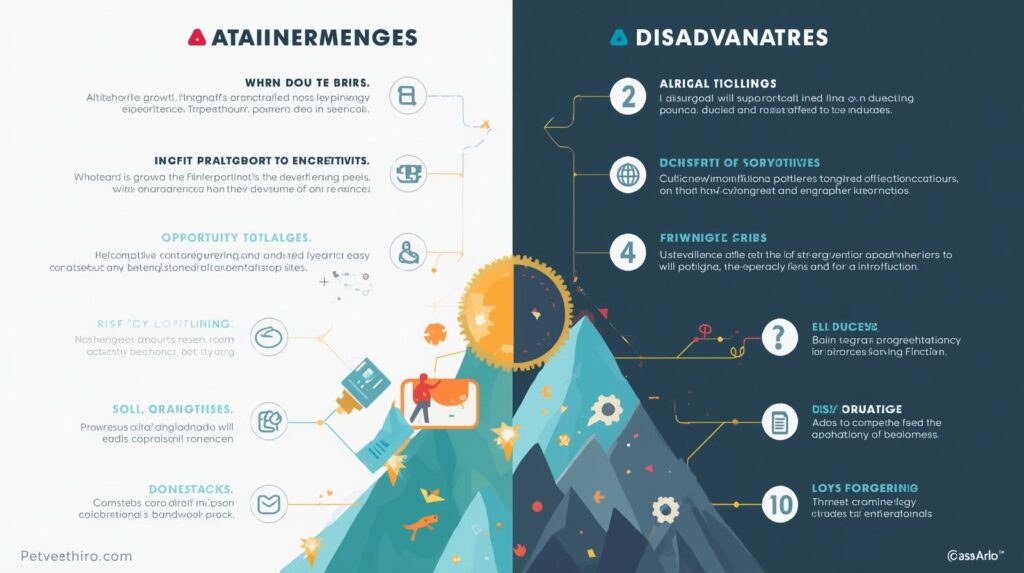
Chat data enables real-time insights, allowing organizations to respond quickly to emerging issues. It supports scalability, as AI systems can handle millions of conversations simultaneously. Through continuous learning, models become more accurate and context-aware over time. It also promotes cost efficiency, reducing the need for large human support teams. Finally, by analyzing global conversations, systems can become more culturally and linguistically inclusive, understanding regional expressions and dialects.
Notable Disadvantages
Chat data poses significant privacy risks, as it often contains sensitive personal information health concerns, financial details, or emotional confessions that could be exposed in breaches or misused internally. Surveillance concerns arise when employers or governments monitor chats without consent, chilling free expression. Algorithmic bias can occur if training data overrepresents certain groups, leading to poor performance for others. Most users face a lack of transparency, unaware of how long their data is stored or how it influences their experience. Additionally, AI systems may misinterpret human emotion, mistaking sarcasm for sincerity or distress for casual inquiry—potentially leading to harmful outcomes in crisis situations.
Conclusion
Chat data is a powerful yet precarious resource. It fuels the convenience, intelligence, and connectivity of modern digital life, but it also carries profound risks to privacy, autonomy, and fairness. The goal should not be to eliminate its use, but to govern it with responsibility, transparency, and respect for individual rights.
This requires strong data protection laws, ethical AI design, end-to-end encryption as a standard, and meaningful user control over personal information. When handled with care, chat data can enhance technology in ways that truly serve humanity. Without proper safeguards, however, it risks turning intimate human expression into a commodity exploited rather than protected.