
What Is Cardina?

Defining the Concept
Cardina is not a dictionary-defined term, but rather an emerging conceptual framework or brand-inspired idea representing centered intelligence a system, tool, or philosophy that places human values, clarity, and purpose at its core. The name draws from the Latin root “cardo,” meaning “hinge” or “pivot,” suggesting that serves as the central point around which meaningful decisions, interactions, and technologies revolve.
In practical contexts, Cardina may refer to a hypothetical AI assistant, a design methodology, or an organizational principle focused on authenticity, coherence, and ethical alignment.
What Data Is Included?
If implemented as a digital platform, Cardina would likely prioritize minimal, intentional data use. Rather than harvesting vast behavioral datasets, it would rely on user-provided context, explicit preferences, and real-time input to generate responses or recommendations. Privacy and transparency would be foundational, with data used only to fulfill the immediate user need not for profiling, advertising, or third-party sharing.
Where Is It Used?
As a conceptual model, Cardina applies across domains:
- In AI design, as a guideline for building tools that serve human intent without manipulation.
- In leadership, as a reminder to anchor decisions in core values.
- In education, as a framework for fostering critical thinking over rote answers.
- In user experience, as a standard for creating interfaces that reduce cognitive load and promote clarity.
If Cardina were a product, it would likely be accessible via web or mobile apps, integrated into workflows where trust and focus matter most.
When Did the Idea Emerge?
While not tied to a specific launch date, the philosophy behind it has gained relevance in the early 2020s, as society grapples with AI ethics, digital burnout, and information overload. It responds to a growing demand for technology that feels human, not extractive.
Why Does Cardina Exist?
Cardina exists to counter the fragmentation of modern digital life. Too often, tools optimize for engagement, speed, or profit not understanding, well-being, or truth. it reorients the focus back to the user’s genuine needs, asking: What is essential? What is true? What serves the human behind the screen?
How Does It Work?
In practice, a Cardina-inspired system would:
- Listen before responding
- Clarify intent before acting
- Prioritize accuracy over fluency
- Respect attention as a finite resource
- Offer simplicity over complexity
It would avoid dark patterns, addictive design, and speculative guessing, instead favoring honesty, boundaries, and user agency.
Why Is Cardina Necessary?

In an age of algorithmic noise and persuasive technology, it offers a necessary antidote. People are exhausted by notifications, misinformation, and systems that nudge them toward distraction or consumption. Cardina restores intentionality to human-technology interaction.
It is necessary because:
- Users deserve tools that enhance clarity, not confusion.
- Organizations need frameworks to align innovation with ethics.
- Society requires models of AI that prioritize human dignity over data extraction.
- Decision-makers benefit from a stable reference point amid constant change.
Without principles like those embodied by Cardina, even well-intentioned technology risks becoming another source of stress, bias, or disconnection.
Benefits of Cardina
Restored Trust in Technology
By operating transparently and respectfully, Cardina-style systems rebuild user confidence in digital tools.
Improved Decision-Making
When information is presented clearly and without manipulation, individuals make choices aligned with their true goals.
Reduced Cognitive Load
Simplified interfaces and honest communication help users focus on what matters, not on deciphering hidden agendas.
Ethical Innovation
Cardina encourages developers and leaders to ask not just “Can we build this?” but “Should we?”—fostering responsible progress.
Emotional Sustainability
By respecting attention and avoiding addictive design, it supports long-term mental well-being in digital spaces.
Advantages and Disadvantages
Key Advantages
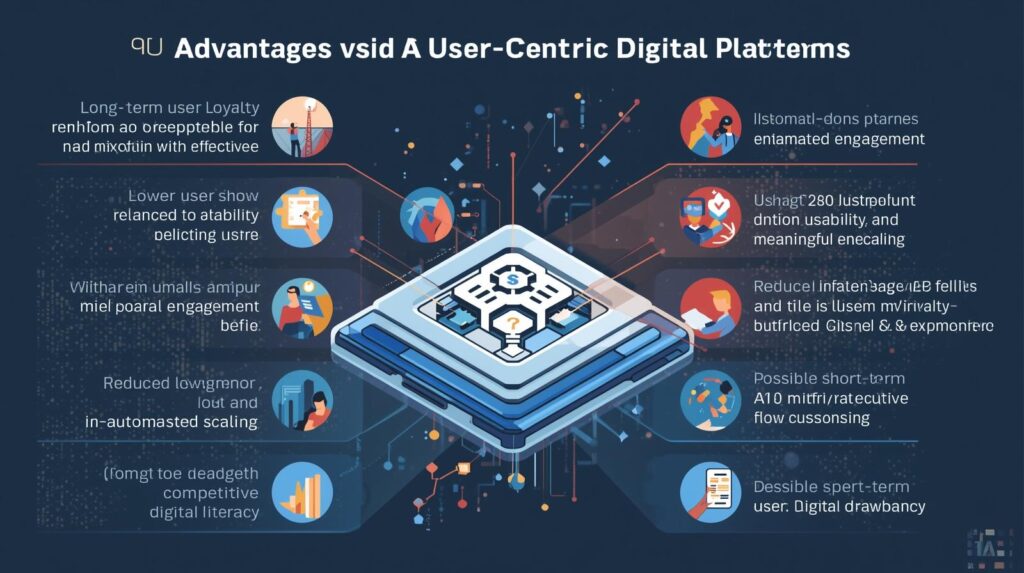
Cardina promotes long-term user loyalty through trust rather than manipulation. It supports ethical compliance with emerging AI regulations by design. Its focus on clarity leads to higher usability, especially for vulnerable or non-technical users. Because it avoids data hoarding, it reduces privacy and security risks. Finally, it fosters meaningful engagement, where interactions are purposeful rather than performative.
Notable Disadvantages
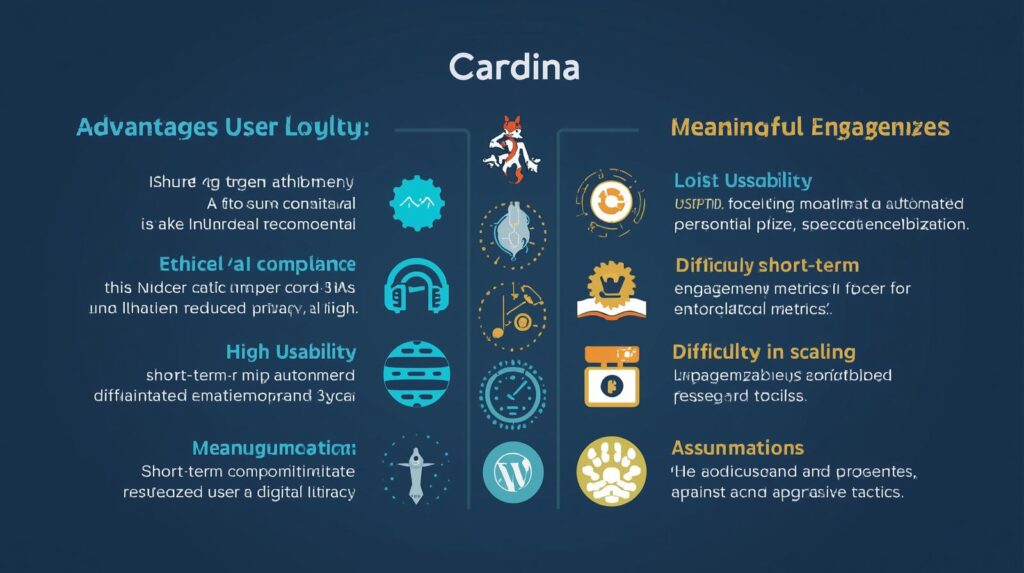
The Cardina approach may appear less “engaging” in the short term compared to attention-grabbing alternatives, potentially reducing metrics like time-on-site or click-through rates. It can be harder to scale, as it requires thoughtful design rather than automated personalization. In competitive markets, companies adopting Cardina principles may face short-term disadvantages against rivals using aggressive growth tactics. Additionally, because it relies on user intentionality, it assumes a level of digital literacy and self-awareness that not all users possess. Finally, as a philosophy rather than a product, Cardina lacks standardized implementation guidelines, making adoption inconsistent.
Conclusion
Cardina may not be a household name, but it represents a vital direction for the future of technology and human interaction. In a world saturated with noise, speed, and hidden incentives, the idea of a centered, honest, and human-respecting system is not just appealing it is essential.
Whether as a design principle, an AI ethic, or a personal mindset, it reminds us that the best tools are those that disappear into the background, empowering users without demanding their attention, data, or peace of mind.
The true measure of progress is not how smart our machines become, but how wisely they serve human flourishing. In that light, Cardina is less a product and more a promise: technology that hinges on what matters most.